






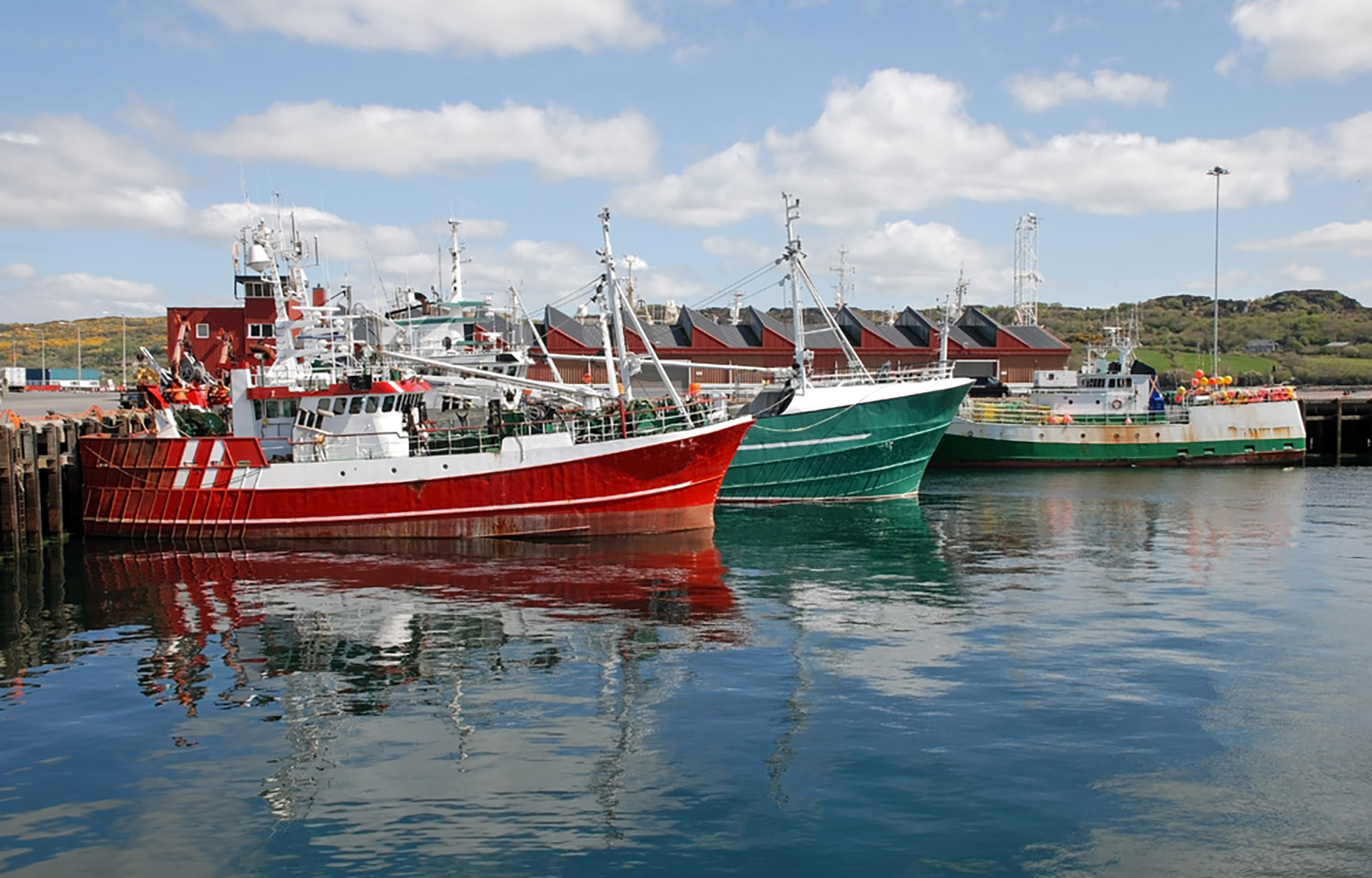
The Irish seafood sector is asking the nation’s government to alter its tax system in order to attract new entrants into the industry.
The recently elected Irish government, of which the Fianna Fail party won a majority, announced among its early government promises to “liaise with fishing stakeholders and request that Revenue examine the current tax allowances for the sector and bring forward recommendations on how the taxation system can further support its progression.”
As part of that promise, Aodh O’Donnell, the CEO of the Irish Fish Producers Organization, said his group wants to identify ways within the tax system that will “improve the attractiveness of the sector to new entrants to the industry” by allowing a higher tax allowance to be set against annual income.
On a broader level, O’Donnell said he wants the country’s taxation authorities to “give a more formal recognition to fishers” that recognizes “their key role in society and coastal communities, as well as strategic considerations in areas such as food sovereignty.”
According to O’Donnell, research produced by Bord Iascaigh Mhara (BIM), the Irish agency responsible for developing the nation’s marine fishing and aquaculture industries, showed that average weekly earnings in the fishing sector are typically lower than those in competing sectors of the economy.
“This, combined with the nature of the work and the risks involved, results in difficulties in recruitment and generational renewal,” he said. “The cost pressures facing the sector indicate that broad based increases in wages in the short to medium term in the segments of the sector facing the most significant recruitment challenges, are unlikely to be viable.”
An allowance or relief could ease those pressures, though O’Donnell said they would have to account for the unique aspects of the occupation, such as the time spent at sea, to be effective. They would also have to account for provisions in existing legislation for seafarers on cargo and passenger ships, such as the Tax Consolidation Act 1997.
“The allowance is granted as a deduction in arriving at taxable income,” he said. “We propose similar conditions to be adapted to the specifics of the Irish fishing sector. Additionally, consideration should be given to the potential benefits to the sector of instituting a separate or alternative allowance based on days spent at sea.”
Neighboring U.K. has also dealt with recruitment issues in its seafood sector, which has struggled to shake its reputation as an industry featuring poor pay, unsociable hours, and challenging working conditions.
“Fishing has traditionally been viewed as a family business heavily rooted in local coastal communities,” U.K. public body Seafish said in 2023. “However, societal changes such as increased education opportunities and more attractive career options, including in competing maritime industries such as oil and gas, offshore renewables, and aquaculture, have reduced dependency on the fishing sector.”
