






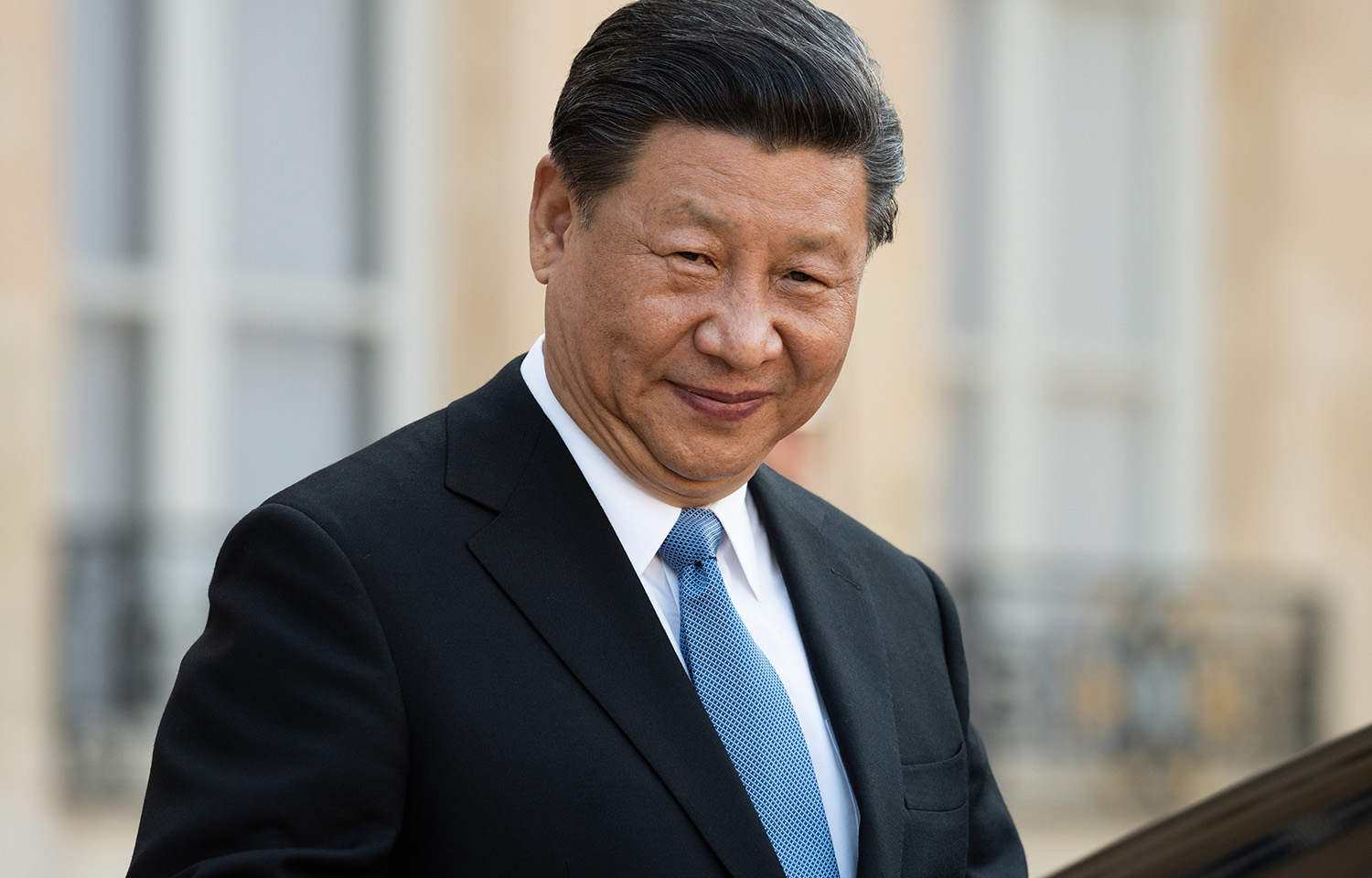
U.S. President Donald Trump and Chinese President Xi Jinping have reportedly reached a deal at recent trade talks in South Korea that will pause port fees that have taken a toll on shipping companies recently.
In February of this year, the U.S. Trade Representative (USTR) issued a nearly 200-page investigation into China’s shipping dominance, proposing, among other suggestions, that the U.S. charge up to USD 1.5 million (EUR 1.43 million) for Chinese-built vessels and USD 500,000 (EUR 478,642) for vessels with Chinese-built ships among their fleet to enter the nation’s ports.
It later amended that proposal to charge Chinese-owned and -operated vessels at a rate of USD 50 (EUR 42) per net tonnage and Chinese-built vessels at a lower rate of USD 18 (EUR 16) per net ton or USD 120 (EUR 103) per discharged container, depending on which was higher.
When that latter proposal was nearing its implementation date of 14 October, China announced its own proposal in which it would charge American-built, -owned, and -flagged vessels port service fees.
That proposal included plans to raise fees over time, starting with a rate of RMB 400 (USD 56, EUR 48) per net ton on 14 October and increasing to RMB 640 (USD 90, EUR 77) per net ton on 17 April 2026. By 2028, the Chinese policy was set to charge RMB 1,120 (USD 157, EUR 136) per net ton.
However, U.S. Trade Representative Jamieson Greer, who traveled with Trump to South Korea recently, said that the U.S. would temporarily suspend its Section 301 investigation into China’s maritime and shipbuilding industry, from which the port fees stemmed.
Politico has reported that China’s Commerce Ministry has also agreed to suspend retaliatory port fees.
According to the New York Times, Trump was happy with the outcome of the meeting, telling reporters that “I guess on the scale from 0 to 10, with 10 being the best, I would say the meeting was a 12.”
The deal reached between Trump and Jinping reportedly also included a reduction of tariffs between the nations, with Trump telling reporters that he would reduce some tariffs on Chinese goods immediately, lowering the overall tariff burden to around 47 percent.
It is not immediately clear if or how these changes would affect U.S. seafood imports from China.
