



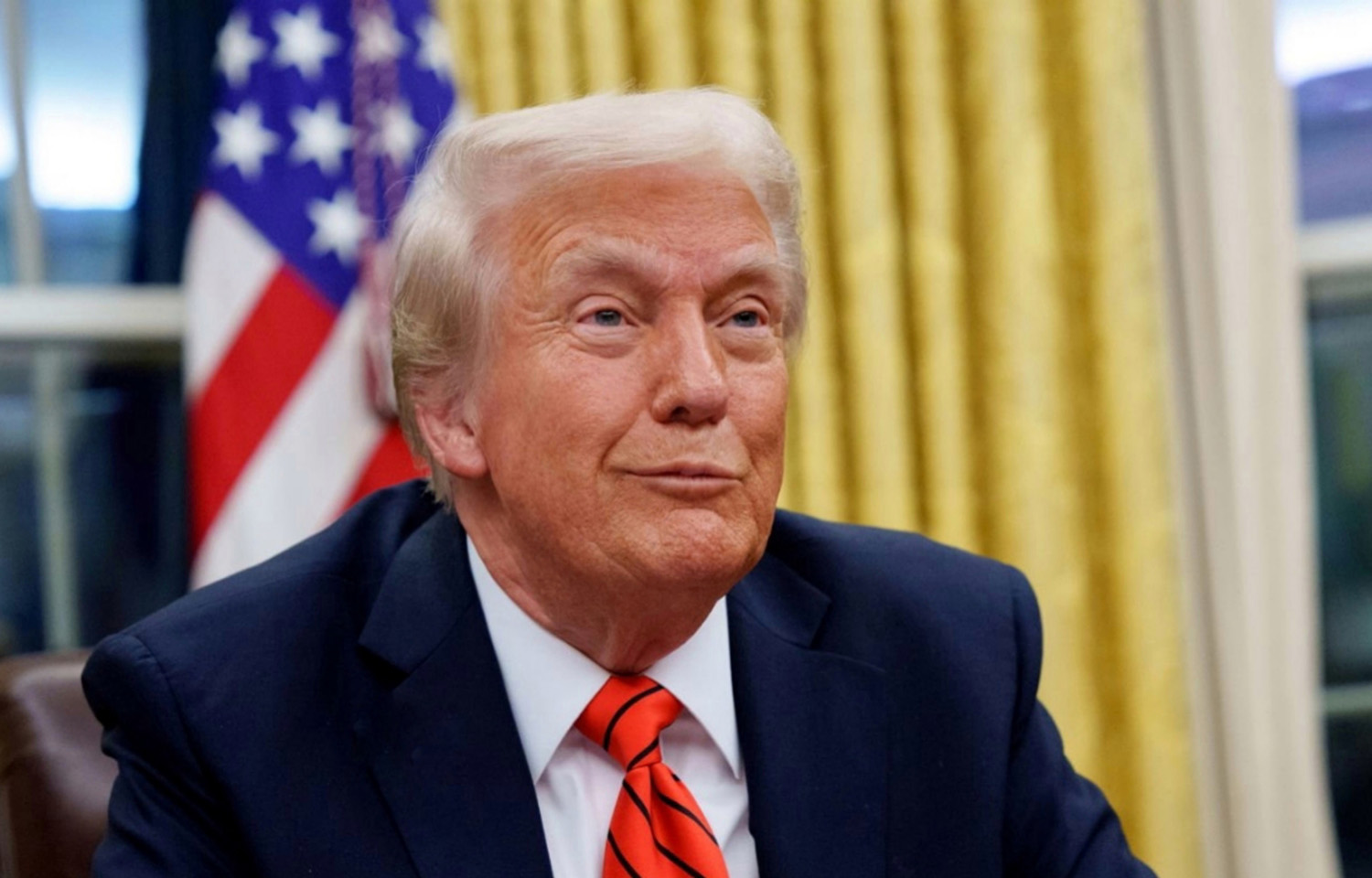
On 2 April, U.S. President Donald Trump followed through on earlier promises to enact “reciprocal” tariffs, announcing a set of sweeping tariffs that will hit nearly every country in the world – and could cost U.S. seafood importers billions of dollars.
Trump, who declared his tariff action “Liberation Day,” signed an order to enact 10 percent tariffs on all countries by 5 April and additional tariffs on a range of countries that will take effect 9 April. In its official fact sheet about the tariffs, the White House said the tariffs are intended to “rebuild the economy and restore national and economic security.”
“Large and persistent annual U.S. goods trade deficits are caused in substantial part by a lack of reciprocity in our bilateral trade relationships,” Trump’s executive order states.
The additional tariffs vary between country, and according to the United States Trade Representative (USTR) the calculations are based on the scale of the trade deficit between the U.S. and the country in question.
An analysis by the Wall Street Journal found the math was roughly based on dividing the goods-trade deficit with each country by the amount the U.S. imported from that same country. For example, the U.S. has a USD 291.9 billion (EUR 264 billion) trade deficit with China and imports USD 433.8 billion (EUR 392.6 billion) in goods from China. Dividing those two numbers results in 0.67, or 67 percent, which is then divided in half to reach the additional 34 percent tariff against China proposed by the Trump administration.
Almost no countries escaped at least a 10 percent tariff. The uninhabited Heard and McDonald islands, a territory of Australia, is being hit with a 10 percent tariff rate despite not having any residents. Norfolk Island, which has just 2,188 residents, was also hit with a 29 percent tariff, Reuters reported.
“Tariffs will raise the cost of seafood, making the healthiest animal protein on the planet less available and more expensive,” National Fisheries Institute President and CEO Lisa Wallenda Picard said soon after the tariffs were announced. “Meanwhile, the tariffs could threaten many of the 1.6 million American jobs that, according to the federal government, U.S. commercial seafood companies support.”
Included among the long list of targets are almost every top exporter of seafood to the U.S.
While the top exporter of seafood by value to the U.S., Canada, was not listed in the reciprocal tariffs, the rest of the U.S.’s top seafood trading partners were. The second-highest exporter to the U.S. by value, Chile, will be hit with the base 10 percent tariff rate.
Based on NOAA Fisheries statistics, Chile exported USD 2.94 billion (EUR 2.66 billion) worth of seafood to the U.S. in 2024. That would mean U.S. importers would be paying USD 294 million (EUR 266 million) in additional tariffs for Chilean seafood.
The third-largest source of seafood for the U.S. by value, India, sent USD 2.4 billion (EUR 2.2 billion) worth of seafood to the U.S. in 2024. India is being hit with a 27 percent tariff on its exports, meaning U.S. importers would have to pay an additional USD 648 million (EUR 586 million) in tariffs.
India was the top source of U.S. shrimp imports in 2024 and in 2023. The country has set a USD 12 billion (EUR 10.8 billion) seafood export target for 2025 across all countries, and the U.S. made up USD 2.6 billion (EUR 2.3 billion) of its exports in its April 2022 to March 2023 fiscal year, according to the country.
The fourth-largest exporter of seafood to the U.S., Indonesia, will be hit with an even higher 32 percent tariff. According to NOAA trade data, Indonesia exported USD 1.9 billion (EUR 1.7 billion) worth of seafood to the U.S. in 2024, meaning the tariff would have seen U.S. importers paying an additional USD 608 million (EUR 551 million).
The fifth-largest exporter of seafood to the U.S. in 2024, based on NOAA trade data, was Vietnam. The Southeast Asian country sent USD 1.71 million (EUR 1.55 billion) worth of seafood to the U.S. during the year. Vietnam is facing one of the steepest tariff rates of any country outside China – at 42 percent. Based on that rate, U.S. importers would have paid over USD 718 million (EUR 651 million) in tariffs on Vietnamese seafood products.
Certain companies in Vietnam recently faced additional trade barriers, with the U.S. Department of Commerce increasing antidumping duties on pangasius exporters in 2024. However, that increased duty was resolved via a bilateral agreement between the U.S. and Vietnam on 22 January – two days into Trump’s second term.
The next largest exporter of seafood by value to the U.S. is Ecuador, which exported USD 1.54 billion (EUR 1.39 billion) worth of seafood to the U.S. in 2024. Ecuador is being hit with the 10 percent tariff rate, meaning importers would have paid an additional USD 154 million (EUR 139 million) on Ecuadorian seafood products.
The seventh-largest exporter by value is China, which sent USD 1.52 billion (EUR 1.38 billion) in seafood to the U.S. in 2024 – despite portions of the industry still facing tariffs started during Trump’s first presidential term. The reciprocal tariff announcement has China being hit with another 34 percent tariff on top of the two 10 percent increases that Trump already implemented, resulting in an additional 54 percent tariff on all Chinese goods. At 54 percent, China’s exports to the U.S. would have cost importers USD 810 million (EUR 734 million) – the highest of any country.
Rounding out the top 10 exporters to the U.S. are Norway, which sent USD 1.3 billion (EUR 1.2 billion) worth of seafood; Thailand, which sent USD 1.1 billion (EUR 997 million) worth of seafood; and Mexico, which sent USD 564 million (EUR 511 million) worth of seafood. Norway is being hit with a 16 percent tariff rate, which would have cost USD 208 million (EUR 188 million); Thailand is facing a 36 percent tariff, which would have cost USD 396 million (EUR 359 million), and Mexico has escaped any tariffs.
All told, the current tariffs would have cost U.S. importers an additional USD 3.8 billion (EUR 3.4 billion) in 2024 based on new tariffs on eight out of the top 10 exporters of seafood alone.
