




U.S. Senator Susan Collins (R-Maine) claims Maine’s lobster industry has been hit hard by U.S. President Donald Trump’s higher tariffs on imported steel and is asking his administration to insulate the sector from those costs.
“Lobstering has become a more expensive profession in recent years as lobstermen’s earnings per pound in 2024 decreased to some of the lowest levels in the past 75 years, and I continue to hear from lobstermen about the ways that tariffs have exacerbated this problem,” Collins wrote in an 20 October letter to U.S. Secretary of Commerce Howard Lutnick.
Collins asked Trump's administration to reinstate an exclusion process that allowed companies to apply for exclusions from steel tariffs in specific cases. Trump eliminated the process earlier this year as part of his ongoing efforts to raise tariffs on foreign goods and shrink the nation’s trade deficits with other countries.
However, the Maine lobster industry claims those tariffs are hurting their bottom line.
“The costs of doing business have skyrocketed for Maine lobstermen, and tariffs have only made matters worse,” Maine Lobstermen’s Association Executive Director Patrice McCarron said in a statement. “The Maine Lobstermen’s Association appreciates Senator Collins’ continued leadership in pressing the administration to address these unfair burdens and to help ensure that our lobstermen can afford to keep providing world-class seafood and supporting Maine’s coastal communities.”
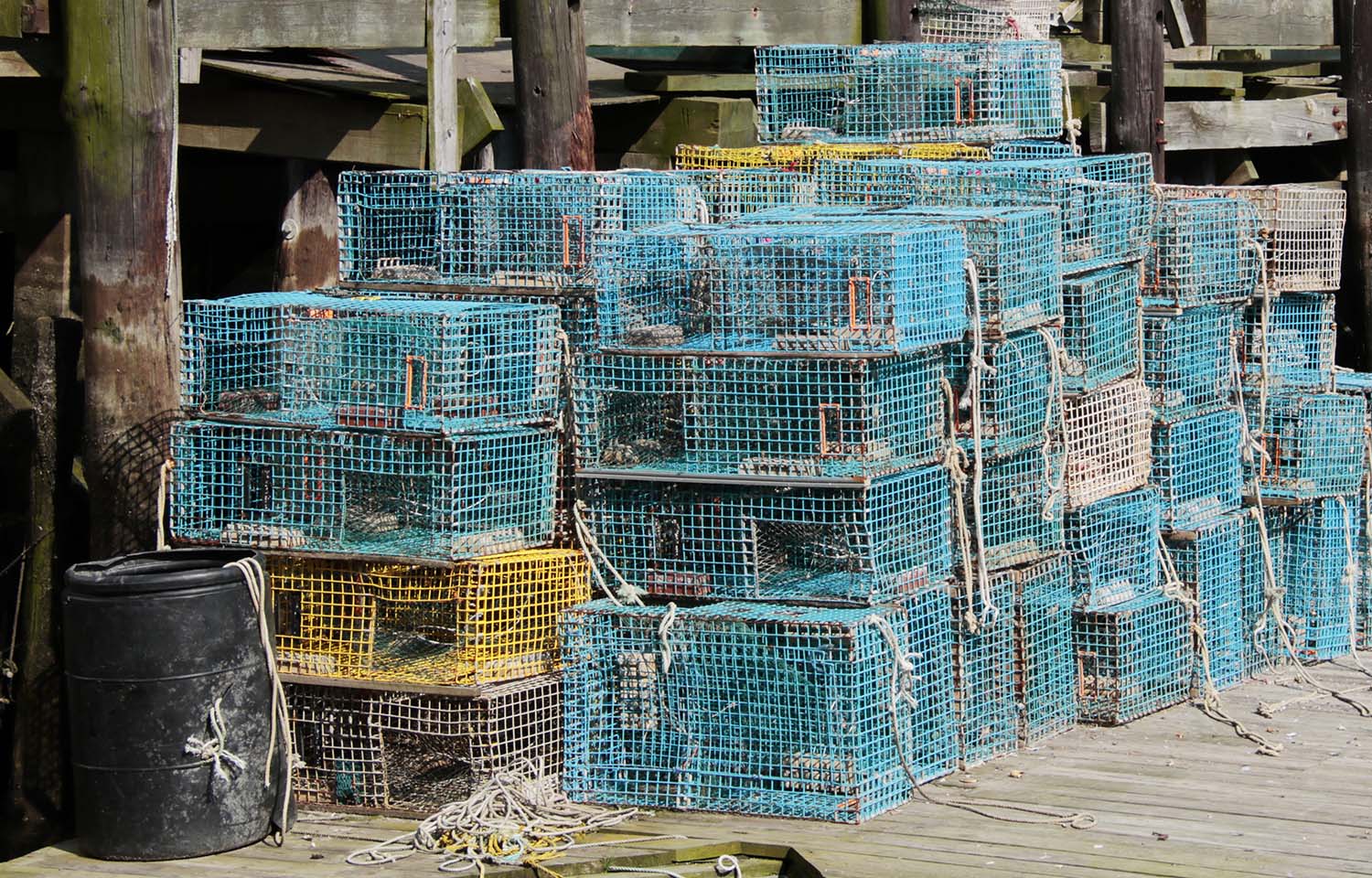
“Tariffs have contributed to higher prices on nearly all equipment that lobstermen use, including traps, clips, rings, and hoops, which have increased in cost due to the current 50 percent tariff rate applied on most imported steel and aluminum. Lobstermen have also faced tariffs on shrimp mesh and special sink and float ropes sourced from India,” Collins added.
During a budget hearing in June, Collins pushed Lutnick to protect Maine's lobster sector from Trump’s trade wars, specifically asking whether tariffs on Canadian goods would impact Maine lobster processed north of the border. Lutnick said those tariffs were unlikely to impact U.S. caught lobster and vowed to support the sector.
“This administration views the Maine lobster industry as an American treasure, and we need to protect it,” Lutnick told lawmakers during a 4 June budget hearing before the Senate Appropriations Committee.
Nevertheless, rising tariffs under Trump have hit several industries Maine lobstermen rely on every day, according to Collins, who pointed to baitfish as an example.
“Even the bait used has been affected by tariffs, resulting in higher prices for lobstermen, including tariffs on redfish from Iceland, Germany, and Portugal; cod from Iceland; rockfish from Norway, Iceland, and Greenland; and monkfish from Iceland,” Collins said. “Many of these products are not easily sourced domestically. For instance, the annual catch limits for Atlantic herring – an American-caught lobster bait – was supposed to be increased earlier this year, but this decision has been delayed. At this time, Maine-caught lobster bait is not easily available.”
