


Venezuelan Foreign Minister Yván Gil has accused a U.S. warship of illegally intercepting and boarding a commercial fishing vessel in the nation's exclusive economic zone (EEZ), holding nine of its crew for several hours.
“Those who give the order to carry out such provocations are seeking an incident that would justify a military escalation in the Caribbean,” Gil said, according to the Associated Press.
The vessel was eventually released into the custody of the Venezuelan Navy, and the Venezuelan government claims the U.S. operations in the region are part of its ongoing efforts to facilitate regime change in Venezuela. When asked by reporters, Trump said regime change was “not an option or a non-option."
This follows an incident that took place on 2 September, when the U.S. government claimed to have fired on a Venezuelan vessel, killing 11.
U.S. President Donald Trump claimed those killed were members of Venezuelan gang Tren de Aragua and that there were “a lot of drugs in that boat,” but critics have called the killing extrajudicial and that none of those aboard were gang members.
The Venezuelan government initially claimed video evidence of the strike was fake and called Trump’s claims “a tremendous lie.”
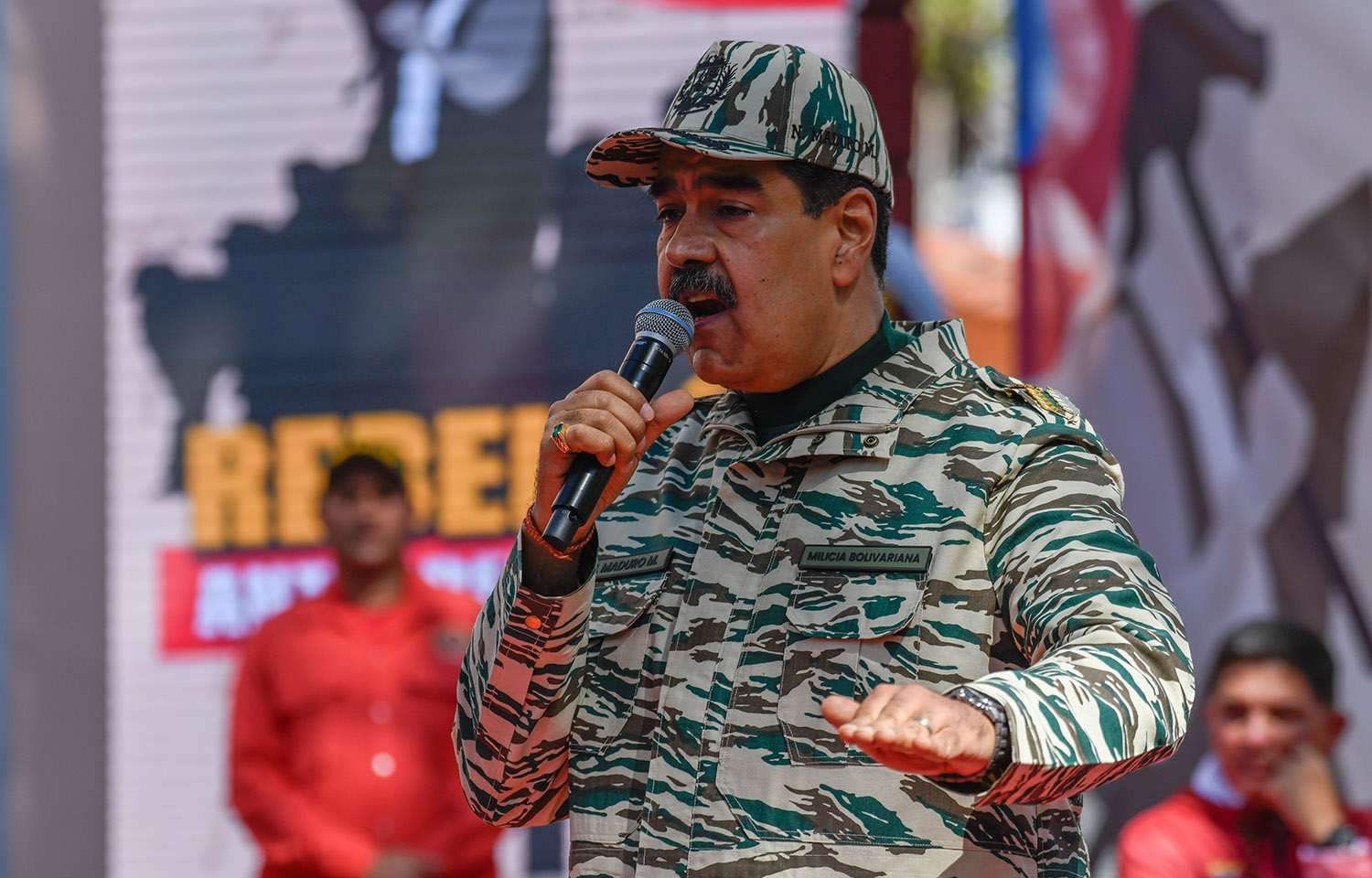
In a 15 September statement, Venezuelan President Nicolas Maduro said he would resist the U.S. government’s “aggression,” calling U.S. Secretary of State Marco Rubio the "lord of death and war." The Trump administration has put out a reward offer for the Venezuelan president’s capture.
While the U.S. has been a primary importer of Venezuelan seafood, the latter nation has looked to find more friendly markets for its products. Late last year, Venezuela secured a new trading protocol with China, allowing it to export seafood to the major Asian market.
“Venezuela will be one of only 15 countries with the permission to export to China,” Venezuela Minister for Fisheries and Aquaculture Juan Carlos Loyo said at the time. “We will ship shrimp but also jellyfish and croaker, among other species.”
