



The U.S. Fish and Wildlife Service (USFWS) plans to use environmental DNA (eDNA) to detect invasive species that can harm native salmon populations in the Columbia River Basin, according to a solicitation posted by the agency on 16 December.
eDNA is genetic material, such as tissue cells, mucus, or urine, that is shed by an organism in its environment. After collecting water samples, scientists can conduct lab tests to detect eDNA and determine whether a species is present in a given habitat.
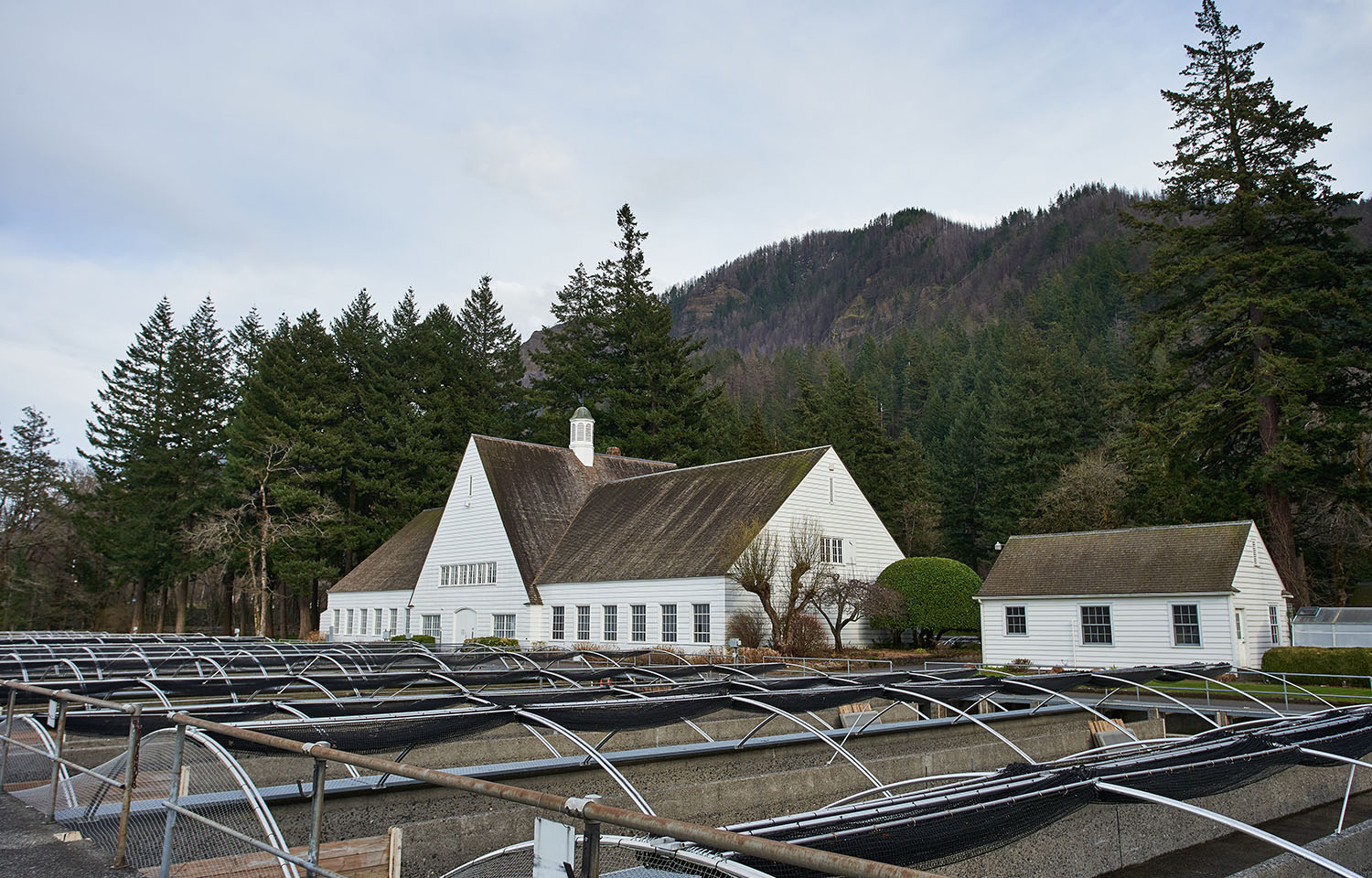
According to USFWS, the Columbia River Fish and Wildlife Conservation Office (CRFWCO) is planning to collect water samples from six fish hatcheries along the lower Columbia River to determine whether they have been contaminated by any of five aquative invasive species: New Zealand mudsnail, zebra mussel, quagga mussel, northern pike, and American bullfrog.
“Aquatic invasive species [AIS] such as the New Zealand mudsnail are an issue of concern for federal fisheries managers because fish stocking and transfers of eggs or fish from contaminated hatcheries may introduce or spread AIS to previously uninfested facilities or drainages,” USFWS noted in its solicitation. “Traditional survey techniques may not reliably detect invasive species when an infestation first occurs or abundance is low. A more sensitive detection tool such as eDNA can be employed in addition to traditional survey methods (such as visual surveys) to increase the chances of early detection.”
The USFWS solicitation comes amid a push from the federal government to standardize and expand the use of eDNA in its science initiatives. In June, the White House Office of Science and Technology Policy released the National Strategy for Aquatic Environmental DNA.
“The National Aquatic eDNA Strategy lays out a plan to harness the power of eDNA to explore, map, monitor, and better understand aquatic life in order to sustain and restore biological resources now and in the future,” Kelly Goodwin, NOAA co-chair of the eDNA Task Team of the Subcommittee on Ocean Science and Technology Interagency Working Group on Biodiversity, said at the time of its release.
This isn’t the first time NOAA Fisheries has turned to eDNA.
In 2020, NOAA scientists used eDNA technology in partnership with the Alaska Department of Fish and Game to test for the presence of invasive European green crabs off the coast of Alaska. Earlier this year, NOAA scientists published a study providing insight on how ocean temperature, depth, salinity, currents, and tides can affect the range of eDNA detection. The agency said the study will help them incorporate eDNA into fisheries research in the future.
“There have been very few studies in the marine environment that track the distance that eDNA can disperse,” Alaska Fisheries Science Center Research Geneticist Diana Baetscher said at the time of publication. “This study addresses one of the critical knowledge gaps in applying eDNA to marine fisheries management.”
