






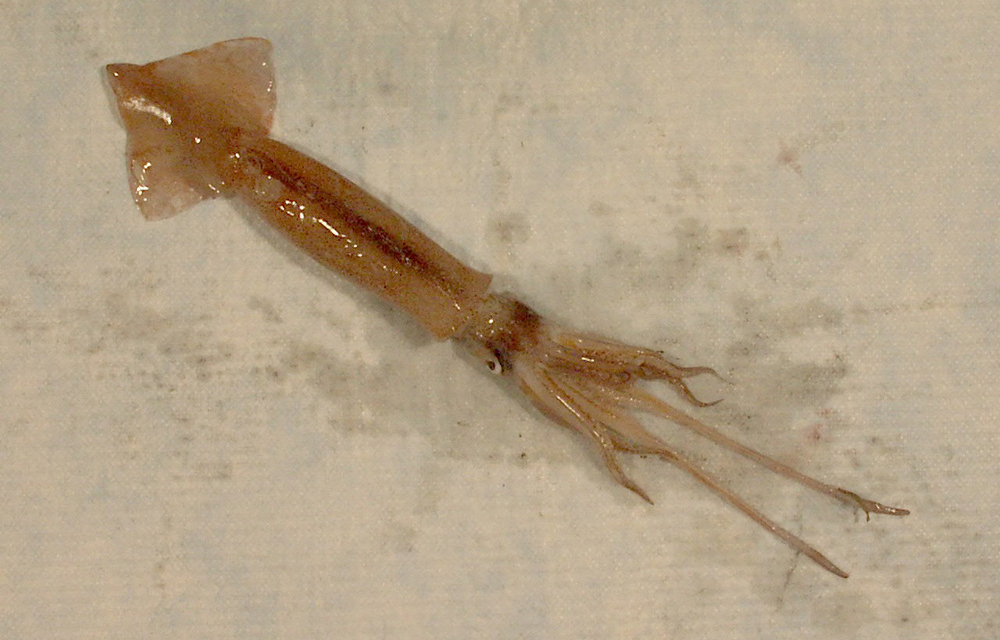
The U.S. Fish and Wildlife Service (USFWS) has finalized a rule reclassifying cephalopods as shellfish, a move advocates claim will reduce red tape and unnecessary fees around squid harvesting.
“On behalf of Lund’s Fisheries, we would like to thank the Trump administration for a solution to a burdensome requirement that will save us time, money and administrative difficulties,” Wayne Reichle, president of Cape May, New Jersey, U.S.A.-based squid harvester Lund’s Fisheries, said in a release. “This is a perfect example of numerous federal agencies working in cooperation with the U.S. commercial fishing industry to make our seafood competitive on a global scale and creating thriving business here at home.”
Cephalopods occupy a unique position in America’s seafood regulations. While shellfish are exempted from USFWS regulations, cephalopods are not considered shellfish under U.S. law despite being classified as mollusks and having an internal shell. That’s left U.S. squid importers and exporters subject to USFWS fees and costs that other shellfish producers don’t have to pay, including a USD 93 (EUR 80) base inspection rate for each squid shipment, a USD 100 (EUR 86) license, overtime fees, and a “non-designated port inspection fee” of USD 146 (EUR 126) per shipment.
Now, USFWS has removed those requirements, clarifying in a new rule that squid, cuttlefish, octopus, and other cephalopods are shellfish and therefore not subject to the agency’s oversight.
The rule change was championed by the U.S. Small Business Administration’s Office of Advocacy, a government group which advances the interests of small businesses before other government bodies.
“I am encouraged to see that the U.S. Fish and Wildlife Service took into account the concerns of our small fishing businesses by finalizing this rule,” Office of Advocacy Acting Chief Counsel Everett M. Woodel, Jr. said in a release. “I am hopeful that the updated definition will provide small fishing businesses with the much-needed clarity they need to succeed.”
The Office of Advocacy estimates the change could save impacted businesses USD 2.8 million (EUR 2.5 million). The change goes into effect 23 July.
