





A value-chain management workshop for Caribbean seafood was held at the Hilton Trinidad in late May to encourage innovation in the fisheries sector.
Coordinated by the Caribbean Regional Fisheries Mechanism (CRFM) in partnership with the United Nations University Fisheries Training Program, the Caribbean Fisheries Training and Development Institute (CFTDI), Trinidad and Tobago's Ministry of Land, Agriculture, and Fisheries, and the University of the West Indies, the workshop included facilitators from three Icelandic universities and seafood processors from across the region who shared best practices and useful information.
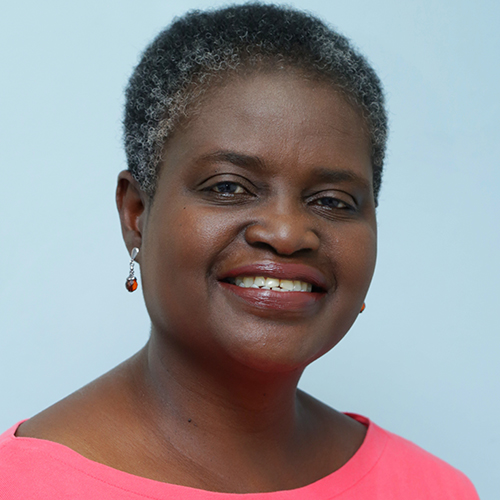
Trinidad and Tobago's Acting Director of Fisheries Elizabeth Mohammed explained to the audience, including many who attended the workshop through livestreaming, the rationale behind this second fisheries value-chain management workshop.
She said the objective was to promote “optimum utilization of available fisheries resources [through] reduction of wastage, improvements in fish quality and all stages of the value chain – from harvesting, to handling, processing, marketing and distribution – in order to optimize the socio-economic value that could be gained.”
Ogmundur Knutsson, dean of The School of Business and Science at the University of Akureyri in Iceland, told the audience that better management and utilization of resources is key to fisheries' success, since most fisheries are over- or fully-exploited.
The lectures, case studies, group work, and other technical sessions of the workshop were delivered by experts from three Icelandic universities – the United Nations University, University of Iceland, and University of Akureyri, as well as the CRFM Secretariat, the UWI Faculty of Food and Agriculture, the CFTDI, the Agricultural Development Bank and selected seafood processors. Workshop participants included representatives from the Fisheries Divisions of 12 CRFM member states, including Antigua and Barbuda, Barbados, Belize, Dominica, Grenada, Guyana, Montserrat, St. Kitts and Nevis, St. Vincent and the Grenadines, Suriname, and the Turks and Caicos.
Among the topics covered at the workshop were market analysis and new product development including new products from parts of the fish not traditionally utilized in the region – such as the skin and heads; the use of market intelligence to identify demand and to link processors with domestic, regional, and international markets; business plan development and the importance of information management, as well as the sharing of data and networking in the value-chain approach.
CRFM Deputy Executive Director Susan Singh-Renton told participants that the workshop was also part of ongoing efforts “to strengthen engagement between the public and private sector...something that is going to make a difference to your business in the future.”
Photo courtesy of United Nations University Fisheries Training Programme
