



China’s government said on 12 July it will take “firm and forceful measures” in response to the latest round of tariffs announced by the administration of U.S. President Donald Trump.
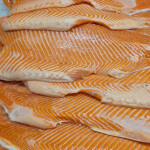
The day after U.S. Trade Representative Robert Lighthizer announced tariffs on USD 200 billion (EUR 170 billion) of Chinese goods – including 10 percent duties on most seafood – China's Ministry of Commerce issued a statement decrying the continued intensification of the trade war between the two countries and vowing to respond in turn.
“The United States has unveiled the list of tariffs in an escalating manner. This is totally unacceptable, and we express our solemn protest against this. By doing this, the United States is hurting China, hurting the whole world, and hurting itself. The irrational act goes against the will of the people,” a spokesperson from China’s Ministry of Commerce said. "China is shocked by what the United States did. To defend the core interests of the nation and the fundamental interests of the people, the Chinese government will, as always, be forced to take necessary countermeasures.”
The spokesperson said China will “immediately lodge an additional complaint with the WTO over the unilateral acts of the United States."
“In the meantime, we appeal to the international community to jointly defend free trade rules and the multilateral trade regime and fight trade bullying,” the spokesperson said.
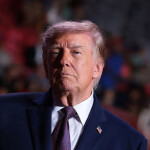
In a statement released on 11 July, Lighthizer said the tariffs were intended to encourage China to change its policies and practices that “force U.S. innovators to hand over their technology and know-how,” and to even the trade balance between the two countries.
“For over a year, the Trump Administration has patiently urged China to stop its unfair practices, open its market, and engage in true market competition. We have been very clear and detailed regarding the specific changes China should undertake,” Lighthizer said. “Unfortunately, China has not changed its behavior – behavior that puts the future of the U.S. economy at risk. Rather than address our legitimate concerns, China has begun to retaliate against U.S. products. There is no justification for such action.”
The USTR will be accepting public comments on the latest round of tariffs through the middle of August, and will hold hearings 20 to 23 August before reaching a final decision in early September on what products will be included in the latest round of tariffs, according to Time.
John Frisbie, president of the U.S. China Business Council, a lobbying firm representing U.S. multinationals in China, told Forbes his group strongly opposed the Trump administration’s move to escalate the trade war.
“The cumulative tariffs that both countries are beginning to implement will harm each other’s economies and jobs,” Frisbie said. “Enough is enough. We need to stop the needless escalation of a tariff war and start working on solutions that will address the real concerns that American companies have about China’s intellectual property protection and technology transfer policies. Those are the right issues to focus on, but tariffs are the wrong way to solve them.”
John Connelly, the president the U.S. seafood trade group National Fisheries Institute, called the inclusion of seafood in the latest round of tariffs announced by both countries as a “misguided strategy.”
“[It] will only hurt workers and consumers in their own countries,” Connelly said in a statement. “American jobs at processing plants throughout the country are at risk of losing raw material from China. That means American workers suffer.”
Connelly said the tariffs would deprive American and Chinese consumers of choices in their marketplaces.
“Tariffs ultimately are taxes on American consumers that limit choice. Meanwhile, Chinese consumers will also be deprived of high quality Maine lobsters, squid from New Jersey and California, and cod, pollock, and salmon from Alaska,” he said. “The Dr. Seuss story of Two Zax who stand forever facing each other without compromise is not where this dispute should end. The National Fisheries Institute calls on policy makers in both countries to demonstrate real leadership by sitting down and negotiating before lasting and unnecessary damage is done.”
Opposition to the tariffs in the U.S. seafood industry is not unanimous, however. Mississippi Commercial Fisheries United, a group representing fishermen in the southern U.S. state, sent a message on Twitter on 12 July praising the new tariffs.
“Mississippi’s Seafood industry would stand to benefit bigly from Chinese Seafood Import tariffs!” it said. “American #shrimp prices are currently at 30-year lows. Support your local fishermen and fishing communities!”
