
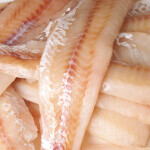
VeroBlue Farms is an onshore, indoor aquaculture farm specializing in barramundi. It announced plans recently to expand production from 1 million pounds to 7.2 million, starting in 2017. SeafoodSource.com interviewed Leslie Wulf, CEO of the Iowa-based company.
SeafoodSource: What’s the demand for barramundi and how has it changed?
Wulf: The demand for quality whitefish remains strong in North America. There are still issues with supply of alternative whitefish, such as limited availability, and this continues to drive the move toward sustainable, predictable sources of quality product. As consumers are discovering the taste, texture and nutritional benefits of barramundi, demand is growing and it’s compounded by the void created by other barramundi suppliers who have pulled out of the market. We see the first 15 million pounds (live weight) of barramundi as the low-hanging fruit in the marketplace.
SeafoodSource: What was the impetus for creating a hatchery in Iowa and how has it helped your business grow?
Wulf: The inclusion of a hatchery, instead of importing boxes of fry from Australia each month, allows us to better manage our supply chain for fish from earlier in the life-cycle, giving us better control of our fish production while reducing costs. The overall growth performance of the fish will be better throughout their life cycle if they don’t start it out with a 63-hour plane ride. This, in addition to the elimination of the freight cost, will result in cost payback for the hatchery in under two years.
SeafoodSource: Your aquaculture tanks operate on a system of ‘opposing flows.’ What improvements do these tanks offer over other aquaculture systems?
Wulf: The opposing flows technology has a number of benefits that promote fish health and welfare and drive our business. There are no pumps, which reduces the operating costs for our operations. An integrated air-lift and aeration system results in higher dissolved oxygen from the air, which means we don’t need to add oxygen to the system. The movement of the water provides the fish with flow and exercise to improve feed conversion, while the water flow removes waste from the system without removing feed. When it’s time to purge fish we are able to isolate individual tanks, which reduces stress on the fish. And finally, the system’s configuration supports bio-security, standardized operating procedures and overall operational predictability and efficiency.
SeafoodSource: What are the top issues facing the aquaculture industry, and what are some of the solutions you would offer?
Wulf: The two biggest issues that I see affecting aquaculture are scale and efficiency. In terms of scale, the markets require consistent supply of marketable volumes of quality product on a weekly basis. This requires operations of sufficient scale and structure to be able to produce sufficient quantities of fish to meet market needs. These systems must ensure consistent quality, but also consistent delivery.
Developing aquaculture facilities requires being mindful of the overall efficiency of the operation. Adding sophistication, whether by layering on technologies or processes, has the potential to erode at the economics of the operation. There needs to be a balance so that the productivity of the system, the quality of the end-product and the operational efficiency are all maximized.
SeafoodSource: Among your peers in the industry, who do you turn to for advice, mentorship, to share ideas or to talk about issues you have in common?
Wulf: We enjoy a network of technical and market peers across multiple countries and continents with whom we regularly connect. There can be a tendency, in emerging industries, for groups to work against each other. I have seen this among a minority of participants in the aquaculture space, which is unfortunate. However, I have met a far larger number of cooperative partners that understand the long-term and shared value of building a strong aquaculture industry.
SeafoodSource: Given the opportunity to address a room filled with seafood industry leaders such as yourself, what is the one nugget of wisdom you would offer them as your closing remark?
Wulf: I believe that the aquaculture industry should seek to learn from the development of other commodity groups, both from protein-production and beyond. There are lessons to be learned about how cooperation supported their growth – improved technical understanding, enhanced stakeholder relationships, broadened market development and expanded strength and resiliency of the industry.
