

Emma Prairie

Contributing Editor reporting from Hawaii, U.S.A.

Emma Prairie is a freelance journalist based in Waialua, Hawaii, who writes about fisheries and sustainability. She graduated from Yale University in June 2021 with an undergraduate degree in environmental studies and mechanical engineering. She has contributed to the environmental conservation field through internships located in Ecuador, Thailand, and Hawaii.


Author Archive
Published on
April 3, 2026
The International Atomic Energy Agency (IAEA) has launched a five-year research project that will use nuclear and related technologies to strengthen participating countries’ ability to detect and prevent seafood fraud. According to IAEA, seafood consumption per capita has nearly doubled since the 1960s and is projected to double again by 2050, increasing the need to reduce seafood fraud now and protect fair trade practices. Through this… Read More
Published on
March 27, 2026
Researchers at the University of Maine have developed a tool using satellite data to predict which farming sites may result in the fastest growth rates for eastern oysters to reach market size. In a study published in January, researchers combined data from Landsat 8 and 9 – a joint National Aeronautics and Space Administration (NASA) and U.S. Geological Survey mission that records sea surface temperature – with European Sentinel-2 satellite… Read More
Published on
December 17, 2025
Earlier this year, the General Fisheries Commission for the Mediterranean (GFCM) established and implemented the 11th fisheries restricted area (FRA) in the Mediterranean Sea, banning bottom trawling in a chunk of the Otranto Channel between Italy and Albania for the foreseeable future. Back in 2005, the GFCM created the first deep-sea FRA, prohibiting bottom trawling and dredging below 1,000 meters in Mediterranean waters as a precautionary… Read More
Published on
December 12, 2025
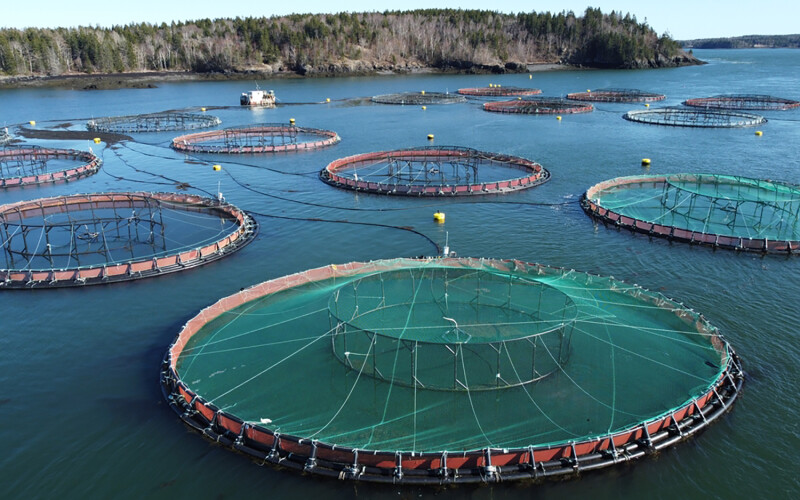
Norwegian research organization SINTEF has released a report finding that nylon aquaculture nets release five times more microplastics than nets made from other materials. The release of most microplastics into the marine environment is commonly believed to come from land-based sources, but according to SINTEF, fisheries and aquaculture farms are becoming increasingly reliant on plastic equipment and infrastructure, introducing microplastics… Read More
Published on
December 8, 2025
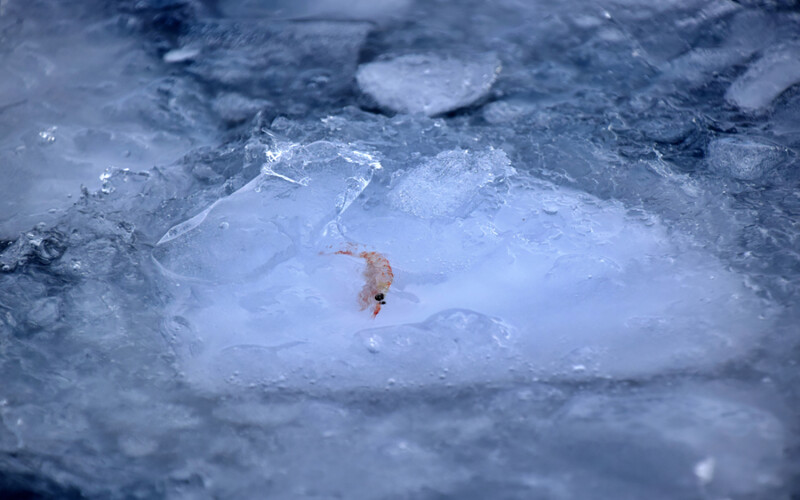
New research has incidentally discovered that microplastics may cause Antarctic krill to eject food more often than normal, causing the small crustacean to possibly miss feeding opportunities and, therefore, fail to sustain healthy energy levels. The study, titled “The production of ‘food boluses’ by Antarctic krill and implications for organic matter transport” and published in Biology Letters, originally set out to examine the… Read More
Published on
November 25, 2025
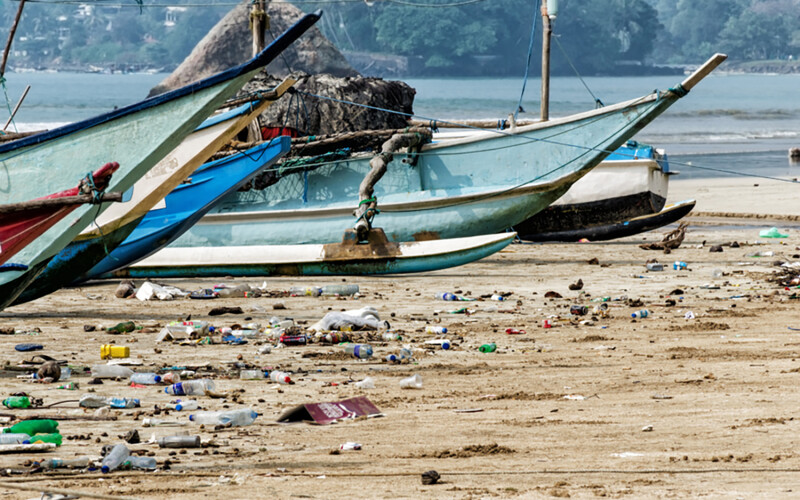
The latest meeting aimed at passing a global plastics treaty (INC 5.2) ended without even reaching a consensus on a new draft text, leading some to believe that future negotiations will revert back to the text agreed upon at the INC 5.1 meeting held in Busan, South Korea, in late 2024. After 10 days of negotiations in Geneva, Switzerland, in late summer, the second part of the fifth session aiming to reach a global plastics treaty ended in… Read More
Published on
September 12, 2025

France has banned smoking in many outdoor areas around the country, especially those frequented by children, in a move that could prevent up to 25,000 metric tons of cigarette butts from polluting the environment each year, including in the nation’s waterways.

The law, which went into effect on 1 July, bans smoking in outdoor areas such as beaches, public parks, sports venues, and bus stops during operating hours. 

According to the

Read More
Published on
September 10, 2025
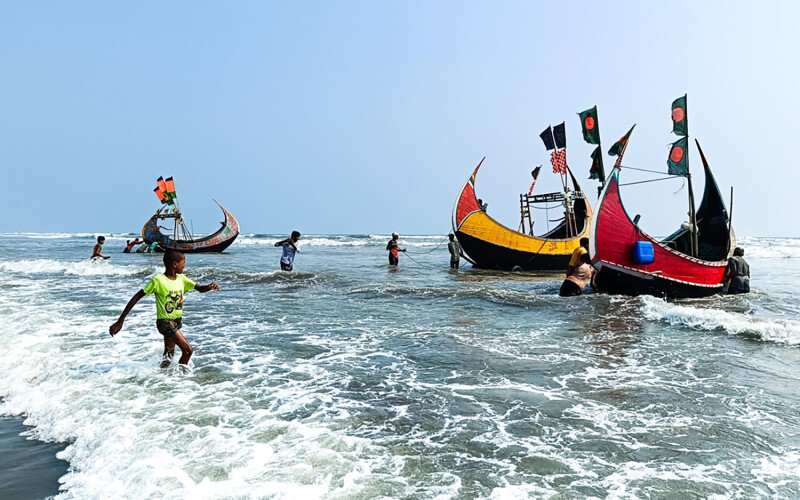
A July study found that even though the Indian Ocean covers 20 percent of the world’s ocean surface and contains large quantities of healthy seafood, many Asian and African coastal communities bordering the ocean still struggle with malnutrition. Researchers from the University of Western… Read More
Published on
August 19, 2025
Kelp aquaculture operations are rapidly expanding in Alaska and coming into increasingly greater contact with wild marine species. In an attempt to limit some of the interactions between Alaska’s aquaculture operations and wild species, researchers have outlined strategies to prevent Pacific… Read More
Published on
July 4, 2025

After the conclusion of the United Nations Ocean Conference, held from 9 to 13 June, Paris, France-based climate and ocean nonprofit BLOOM announced it was pursuing legal action against the French government, accusing it of making false claims at the conference about expanding protections in the nation’s waters against bottom trawling.

BLOOM said the legal action aims to highlight how the French government used the conference as a

Read More