

Mark Godfrey is an Irish journalist covering the agriculture and fisheries sectors in Asia, with a focus on China. Proficient in Mandarin, he has frequently traveled across China's fisheries and aquaculture regions and learned the inner workings of China's corporate world during a nearly three-year stint at the Financial Times' “China Confidential” publication. He has also reported widely across Southeast Asia and the former Soviet Union. He has educational certificates in agriculture and food science, as well as Mandarin.
Author Archive
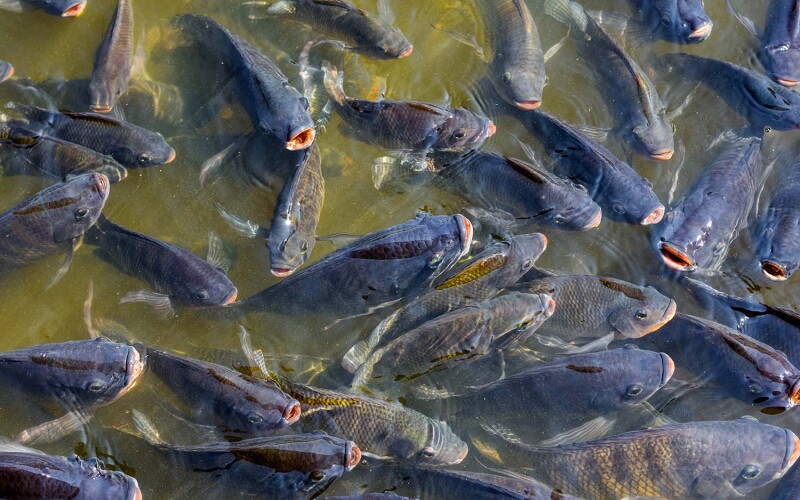
Cedar Seal Agro Limited, a Ghanaian company involved in agribusiness, said it wants an investor to bring cash – as well as know-how – to a project designed to meet fast-growing local demand for seafood.
The company said it is looking to China for USD 10 million (EUR 9.6 million) in funding for a catfish and tilapia farm and processing hub.

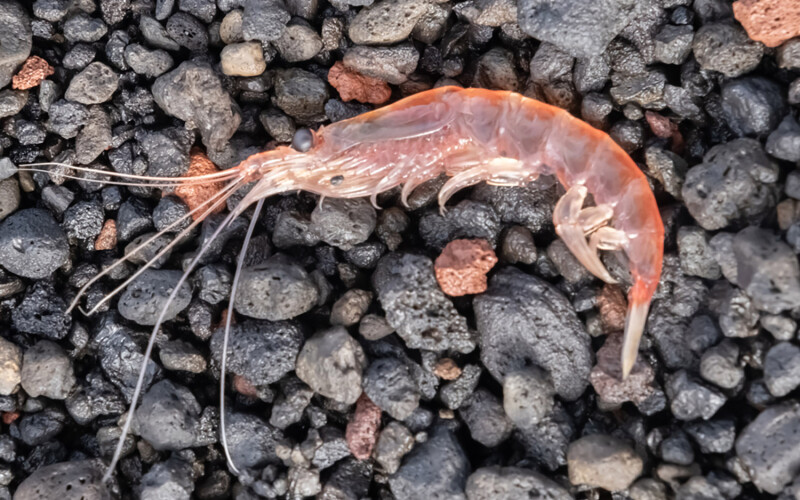
After hitting a stalemate on negotiations in October 2024, members of the Commission for the Conservation of Antarctic Marine Living Resources (CCAMLR) and the fishing industry at large are hoping that they can reach a deal soon on krill-fishing catch limits in the Antarctic.
The October meeting of the CCAMLR – the regulatory body overseeing krill fishing in the Antarctic – ended at an impasse after representatives from China and
… Read More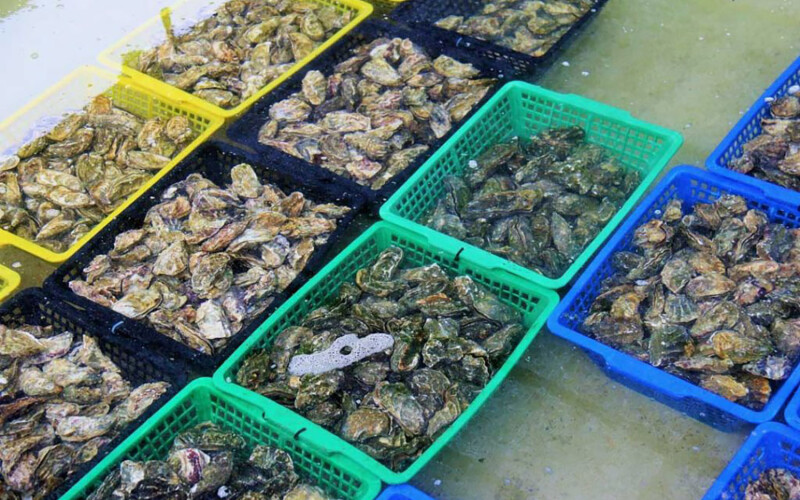
China’s oyster imports softened significantly in 2024, particularly hurting the nation’s key supplier: France.
Official customs data shows China imported 1,570 metric tons (MT) of oysters last year, down on the 2,090 MT imported the year before and down even more than the 2,130 MT China bought in 2022.
France saw its shipments fall from 1,240 tons exported in 2023 to 909 MT last year.
French oysters are coveted in Asia for
… Read More
Ireland has established a new work permit program that allows the nation’s fishing companies to apply for permits to hire workers from outside the European Economic Area (EEA).
However, only four Irish fishing companies have applied to participate in the program, which sets a minimum annual wage of EUR 34,000 (USD 35,300) and a minimum standard of working conditions under each permit.
Ireland’s Department of Enterprise, the
… Read More
A Chinese hotel company has partnered with the government of a small Chinese town to develop a perch-farming project in the village.
Beijing-headquartered Zhongle Group signed the contract with the government of Taitou, a town on the outskirts of Tianjin, which itself is a major port city near Beijing, according to a recent press release.
The hotel group has committed to investing CNY 1 billion (USD 140 million, EUR 130 million) in two phases to
… Read More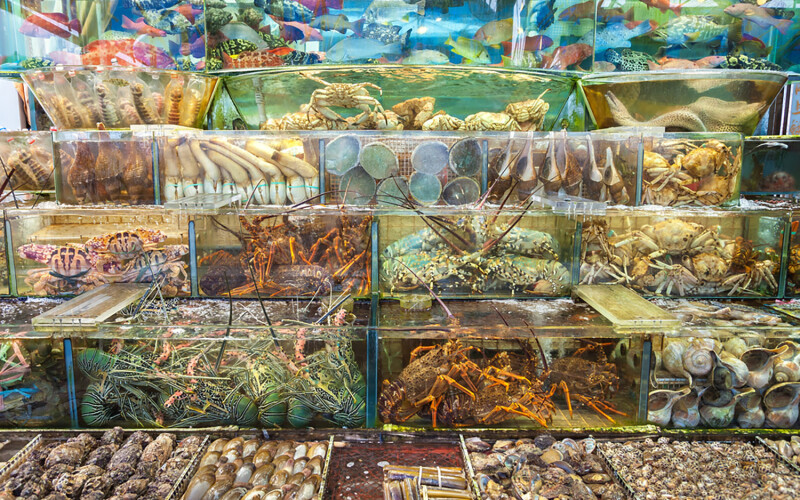
Hong Kong needs to radically improve its traceability infrastructure for seafood imports, according to a new report.
Titled “Hong Kong’s Seafood Trade, Port Measures, and Import Controls – Paddling to Keep Up,” the report outlines that Hong Kong is facilitating massive trade in live reef fish by allowing shipments into and out of the city that have little or no traceability information attached.
Corroborating those
… Read More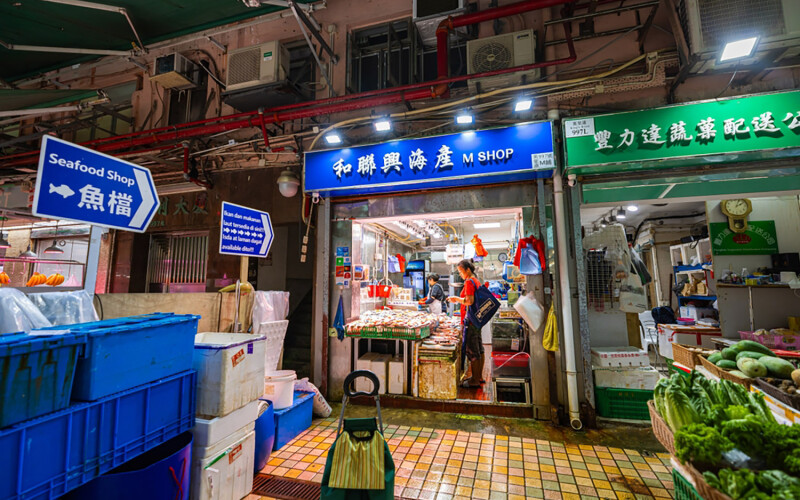
China has begun sourcing food products away from Western markets in an attempt to limit the damage looming trade disruptions may cause.
“Slowly but surely, it seems like China’s finding a path that allows it to rely on international markets, allows it to rely on trade partners, but doesn't create insecurity,” Even Pay, an agriculture analyst at policy research consultancy firm Trivium China, told Bloomberg recently.
Regarding
… Read More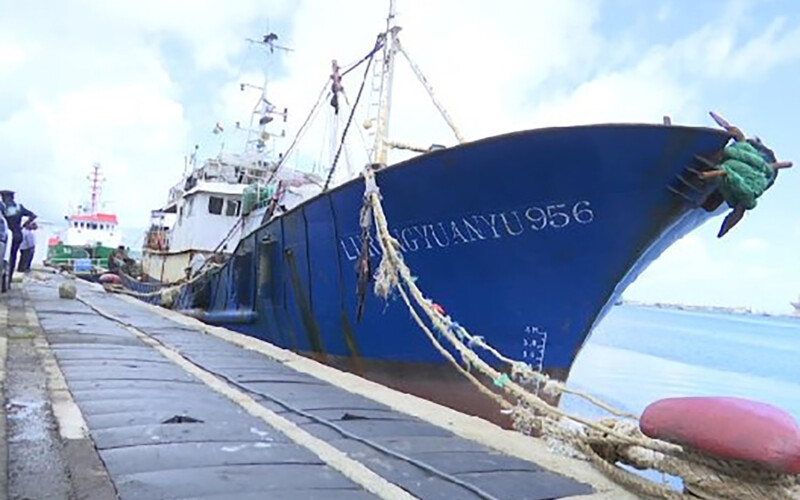
Chinese fishing firm Rongcheng Ocean Fisheries Co. is nearing completion on a CNY 150 million (USD 21 million, EUR 19.5 million) fishing port project in the West African nation of Ghana, despite allegations that the firm has engaged in illegal fishing practices in the country’s waters.
The municipal government of Weihai, a major aquaculture and fish-processing hub where Rongcheng Fisheries is headquartered, announced the update at a 18
… Read More
Chinese e-commerce company JD.com has partnered with a technology firm to launch an aquaculture farm in the southeast province of Guangdong – a project the local government is promoting as a vertically integrated fish farm, hatchery, and processing facility that will provide JD customers with fresh fish nationwide.
The Jingdong Intelligent Fishery Industry Park aims to produce 5,000 metric tons of output in 2025 worth CNY 430 million (USD
… Read More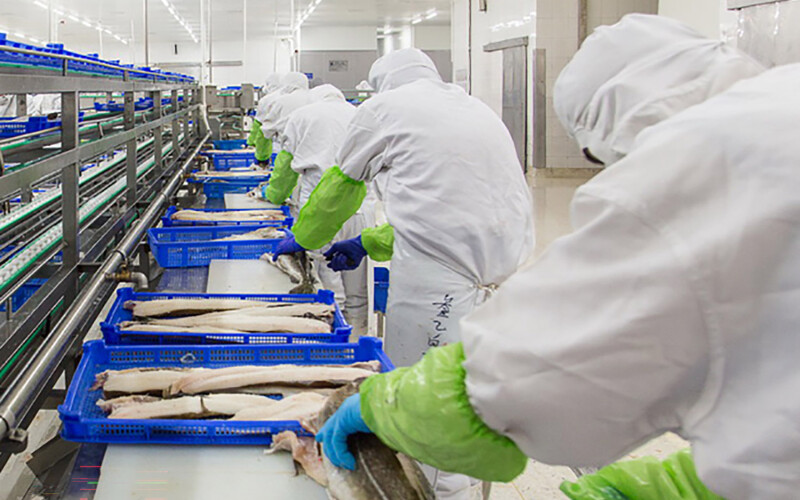
After a difficult 2024, Chinese whitefish processors are facing sharply rising raw material prices along with tepid export demand as the new year begins.
“U.S. sanctions on Russian seafood have had a significant impact, with prices for Norwegian cod increasing by over 70 percent and prices for Russian cod raw material rising by 65 percent,” David Jiang, the managing director at Chinese processing firm Unibond Seafood International,
… Read More