



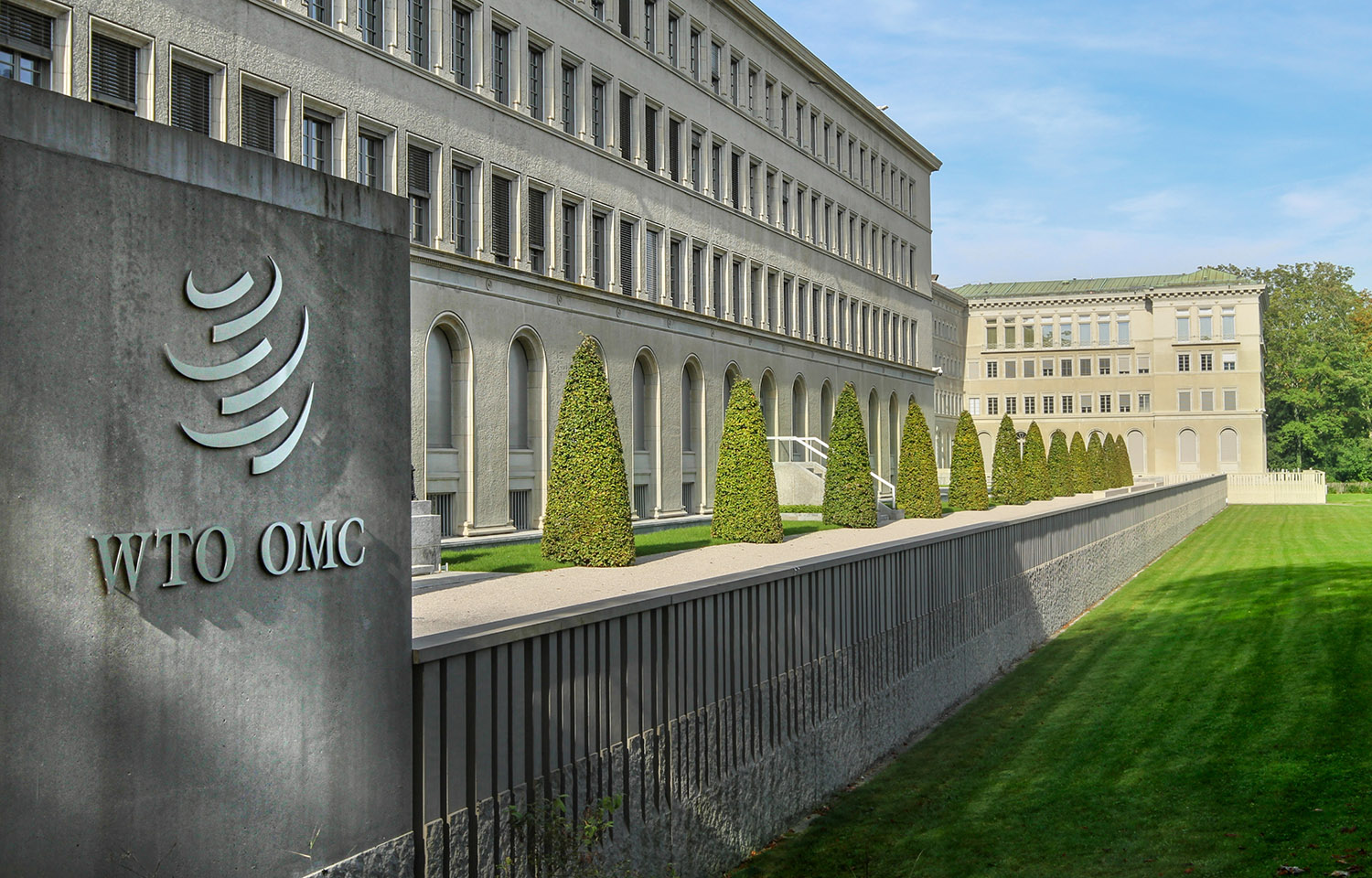
World Trade Organization (WTO) negotiations on ending subsidies that lead to overcapacity and overfishing around the globe – the text of which is referred to as Fish 2 – may not recommence in earnest until 2026, according to experts analyzing the discussions in Geneva, Switzerland.
“The next important decision point looks like it will be in Cameroon in 2026,” Oceana Senior Analyst Daniel Skerritt said. “I don’t foresee any substantive movement until then. The aim will be for us to try to keep as much of the current text intact as possible.”
Talks on Fish 2 began in early 2023 and aimed to strengthen a deal WTO negotiators reached in October 2022 that partially limited harmful fishery subsidies.
Negotiators were most recently optimistic that they could reach a deal by the end of 2024 but ran into heavy opposition from Indian delegates, specifically regarding how subsidies are calculated within the draft text. This opposition led to the draft being withdrawn from consideration at December’s WTO general council meeting.
Skerrit explained to SeafoodSource that the stalemate has led some delegates to suggest starting negotiations from scratch, though he said he believes this “would be a huge setback.”
"[India’s approach is] misguided and appears to be a new attempt to avoid reaching an international compromise,” said Daniel Voces, the CEO of Europeche, a trade body which represents E.U.-based fishing companies. “Exerting pressure on transparent and sustainable public aid systems of developed fishing nations, while seeking maximal exemptions and derogations for Indian fleets, is not a constructive path forward. [India’s approach] fails to address the root causes of overcapacity or overfishing where they exist and undermines efforts to establish a fair global playing field. It is vital for all nations to aim for a minimum common denominator of subsidy scrutiny that is universally applicable.”
The Geneva based trade expert believes “India will need to have more targeted and realistic demands, and other members will need to trust India that if these demands are addressed, then we have an agreement and [that] it does not lead to further demands by India and concessions by others being pocketed by India.”
Besides Indian opposition, Icelandic Ambassador to the WTO Einar Gunnarsson, who has been chairing the negotiations since their inception, has already stated he won’t be able to lead an intensive negotiating process in 2025 due to other professional commitments. This would result in a new chairperson taking charge this year, leading to more change in the process.
Rashid Sumaila, a professor at the Institute for the Oceans and Fisheries and the School of Public Policy and Global Affairs at the University of British Columbia in Canada, told SeafoodSource he believes that if an effective deal were to cross the finish line, the emphasis needs to be on the fish and the public rather than on a methodology of how best to count subsidies.
“For both the fish and the people, it does not matter whether subsidies are recalibrated or not; it is the total amount of harmful subsidies that goes to deplete the fish that matters,” he said. “Because most harmful subsidies are given to large-scale industrial fishing fleets, removing them will automatically boost small-scale fishers. Also, since the key issue is to stop depleting valuable fish stocks that fishers depend on, WTO members should put in place mechanisms to mitigate any lingering negative impacts on small-scale fishers.”
In the meantime, the failed December negotiations could impact the urgency and will of WTO members to ratify the deal reached in 2022. Ratifications by 23 more member states are needed before the WTO reaches the 111 ratifications required for the Fish 1 deal to enter into force.
Skerritt is optimistic, though, that the Fish 1 deal could be ratified before the 2026 WTO ministerial meeting in Cameroon.
At the current rate of about two ratifications per month, it might squeak through by [the 2026 meeting], which would activate the sunset clause, meaning we would have a clear end point to these negotiations,” he said, referring to the fact that the 2022 agreement demands a follow-up agreement be completed within four years of ratifying Fish 1.
