






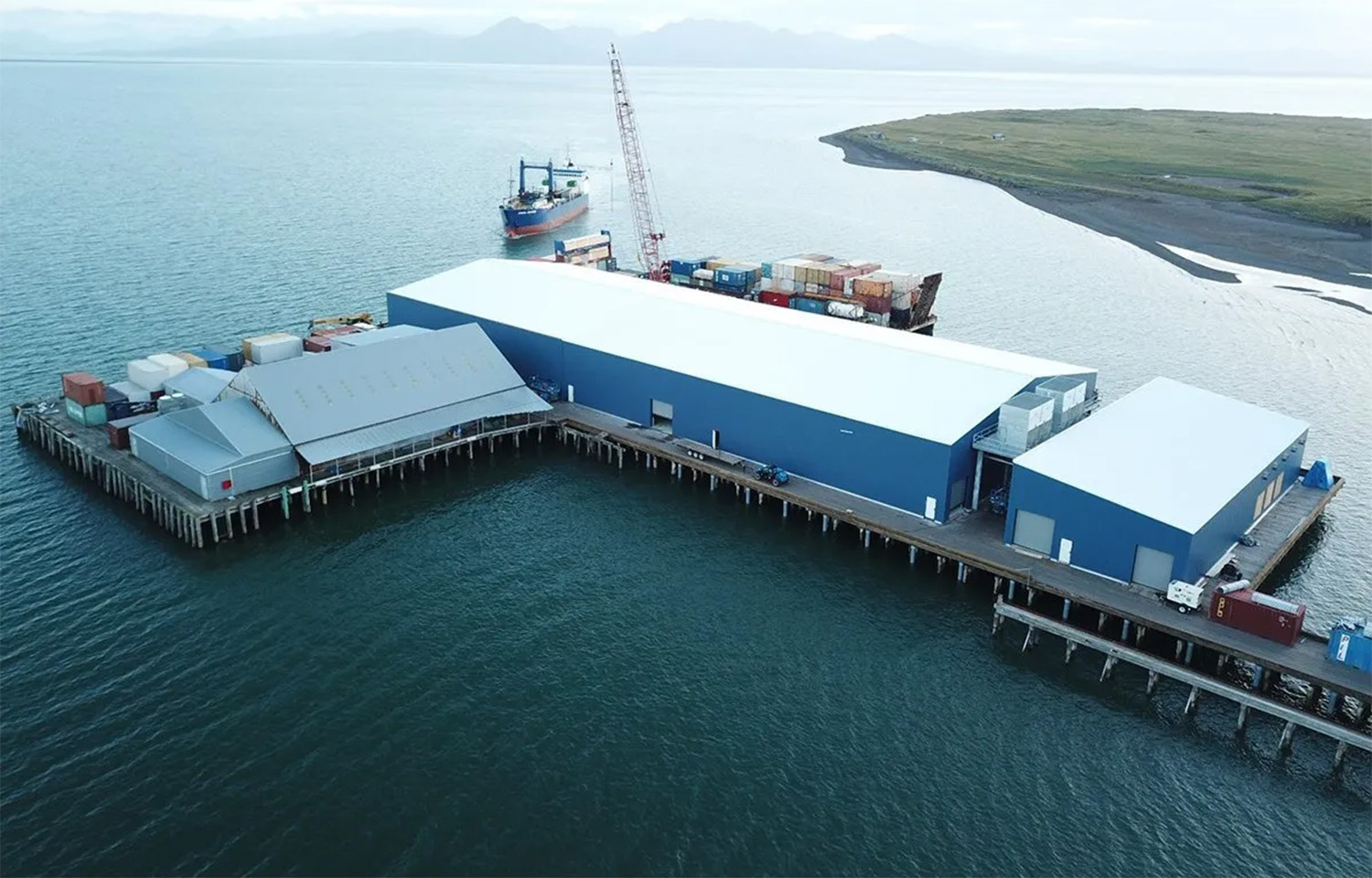
An Alaskan court has found a prior court ruling in the U.S. state of Washington lacked jurisdiction in a decision it made regarding the fate of one of Peter Pan Seafood’s former assets in Alaska.
Alaska Superior Court Judge Laura Hartz said in a recent order that a prior Washington ruling to dispose of a Peter Pan facility in Port Moller, Alaska, was outside its authority and that the order is now “void” for lack of jurisdiction. The ruling stems from a two-year case started in June 2024 by John Ketcham over the bankruptcy of Peter Pan Seafoods and how the company’s various properties were carved up between creditors.
Peter Pan Seafoods entered receivership in April 2024 at the behest of Wells Fargo, its largest creditor, naming Peter Pan Seafood Company, Alaska Fish Holdings, and Raymond Machine Shop as owing more than USD 60 million (EUR 52 million) that was past due payment. The move came after Rodger May acquired 50 percent of Peter Pan in 2021 from Maruha Nichiro, which now operates as Umios.
The bankruptcy proceedings kicked off a fight over the company’s assets.
In August 2024, Silver Bay Seafoods won a bid for certain frozen seafood assets of the company, beating out a higher bid by May.
May later went on to win a separate auction for other Peter Pan assets, including groundfish quota and seafood-processing facilities in Dillingham, King Cove, and Port Moller, Alaska, as well as support facilities in Naknek and Sand Point Alaska.
The Port Moller facility was the only one subject to the lawsuit, which was brought by John Ketcham who claimed his compensation following the proceedings was inadequate. Ketcham had loaned USD 10 million (EUR 8.8 million) to Peter Pan in 2023 and, in turn, took a deed of trust for the Port Moller plant to secure the loan in August 2023, which was recorded in Alaska’s Third Judicial District.
Following the sale of the Port Moller facility to May, Ketcham alleged they received only USD 250,000 (EUR 219,000) of the sales price, despite the plant having a value of as much as USD 20 million (EUR 17.5 million) and appealed the Washington court’s decision to sell the property.
At the same time Ketcham appealed the Washington decision, he also filed a motion for declaratory relief in Alaska court.
Hartz’s ruling ultimately found that the receivership proceedings in Alaska aren’t applicable to the Port Moller property, as the Washington court does not have jurisdiction over Alaskan law.
“Under Alaska Civil Rules, actions involving ownership of real property are to be commenced in Alaska Superior Court in the judicial district where the subject property is located,” Hartz wrote. “While this matter arises in an ancillary receivership, Alaska courts have the local judicial authority necessary to supervise dispositions affecting title to Alaska real property.”
Hartz said Alaska’s authority over the case was two-fold: that the Alaska court has jurisdiction over the receiver’s authority to sell Alaska property and that the Alaska court has subject matter jurisdiction over property located in Alaska.
“Washington's own receivership statute supports this distinction. Washington law allows a Washington receiver to apply to courts outside Washington for appointment as receiver over property located in another jurisdiction,” Hartz wrote.
Her ruling said a receiver seeking similar sales in Washington must also seek approval by the Washington courts and that the statutes recognize receivership authority over out-of-state property is implemented through courts in the local jurisdiction. She added that regardless of Ketcham’s participation in the receivership process, jurisdiction takes precedent.
Attorney Michael Grisham, who represented Ketcham in court, told SeafoodSource they were happy with Hartz’s findings on the case.
“It’s a longstanding principle of law. We’re very happy the judge recognized it, and we’re looking forward to participating in an Alaska receivership receiving that pays my client,” Grisham said.
Grisham said the decision by Hartz is based on a foundation of U.S. law that one state's laws and legal system do not have authority over another state’s.
“The Washington court had the authority it had, and it had full authority over Washington authorities, and nobody questioned that,” he said. “With respect to Port Moller, the court order is void, and my client’s lien is reinstated.”
The case did not address the four other Alaska-based properties that were also sold based on the Washington court decision.
Grisham said they will await the next steps by the court on how receivership could play out.
