



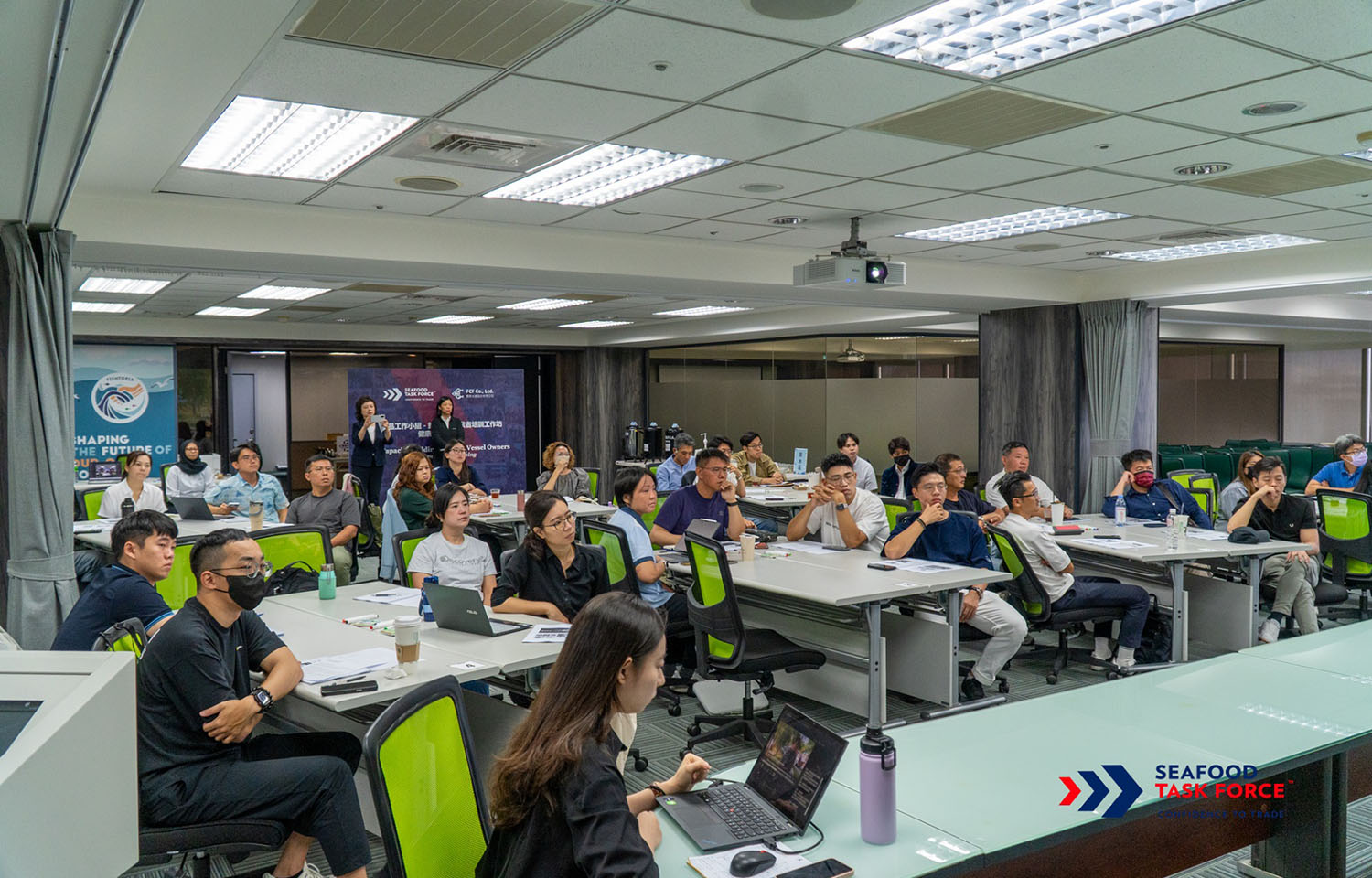
McLean, Virginia, U.S.A.-based seafood nonprofit Seafood Task Force (STF) recently launched a first-of-its-kind risk-based assurance and remediation program on hundreds of tuna vessels to improve traceability and labor conditions.
According to a release by STF, the program was developed to improve social responsibility challenges facing tuna vessels, especially in high-sea fishing fleets. The program will run for 5 years, with a stated goal of both identifying issues and course-correcting them during that period.
"Our Risk-based Assurance and Remediation Program for the tuna industry is breaking new ground and is many years in the making,” STF CEO Martin Thurley said in a release. “As a market-based initiative, it’s designed to create scalable, worker-centered solutions that not only identify the scale of risk but help resolve them using STF hard data to deliver practical, collaborative remediation.”
Participating STF tuna members have already committed USD 1.2 million (EUR 1 million) in 2026 for the first round of program payments that have then been distributed to 10 international ports. STF said continued funding will operate on “three core elements" – capacity building, responsible recruitment, and effective grievance mechanisms.
In the capacity building stage, STF will use the organization’s programs to address problems in collaboration between companies, environmental agencies, and stakeholders that might be contributing to poor tuna vessel standards. Risks will be ranked by priority order and then mitigated through practical training, strengthening institutional resources for vessels to use and then improving on-vessel living and working conditions.
The next phase, responsible recruitment, will target key mitigation corridors like recruitment fees, debt bondage, inadequate employment contracts, poor worker awareness of rights, and inconsistent labor agency practices. Once identified, STF said that it will use the organization’s Responsible Recruitment Program to help implement verification tools for international best practices. The organization will also look to slowly implement a “employer pays principle” to ensure vessels are operating under verified recruitment hiring and payment systems and work to eliminate worker-paid recruitment fees and mandate fair recruitment practices.
The third step, effective grievance mechanisms, are in the draft process with STF’s partner, independent environmental, social, and governance (ESG) consultancy Humantics, to establish a common industry framework for reporting grievances. Both this step and the prior will require coordination with national authorities in Taiwan and Indonesia, STF said.
“We are extremely grateful to the members funding the first phase of this program,” Thurley said in the release. “It will demonstrate proof of concept and provide the platform to scale further as more end buyers, brands and mid-chain buyers across global tuna supply chains decide to join us. It’s an important step towards strengthening social responsibility across the global tuna industry."
STF said its goal is to complete independent vessel assessments with the STF’s Code of Conduct, Vessel Auditable Standards, and Standard Operating Procedures. If a vessel is non-compliant, vessel owners can work with the nonprofit on corrective action, training, and resources to maintain compliance.
This program follows STF’s May 2025 hosted summit that focused on protecting migrant workers aboard tuna vessels. Companies like Seattle, Washington, U.S.A.-based Aqua Star are already STF members, working alongside the organization to implement industry best practices for traceability and fair labor aboard vessels, similar to the approach of the 5-year program. In March 2024, STF saw significant expansion in Asia, adding 17 new members from the region.
Tuna companies continue to face lawsuits and criticism over forced labor allegations, like tuna company Bumble Bee Foods, who was sued in June 2026 under the Trafficking Victims Protection Reauthorization Act. In March 2026, Greenpeace reported grievances against the Indonesian tuna industry, accusing 17 fishing vessels and multiple processing companies of engaged in labor rights abuses.
Other organizations, like Global Labor Justice (GLJ), held protests at the 2026 Seafood Expo North America protesting forced migrant labor in Indonesia. Labor advocates have long advocated for the installation of Wi-Fi onboard vessels, giving vessel workers internet access for communication, but efforts have stalled in Taiwan and Indonesia. Bangkok, Thailand-based Thai Union Group announced plans to equip 50 percent of its vessels with internet access by the end of this year, and increase that another 25 percent by the end of 2027.
