


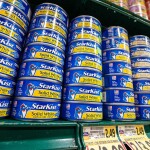


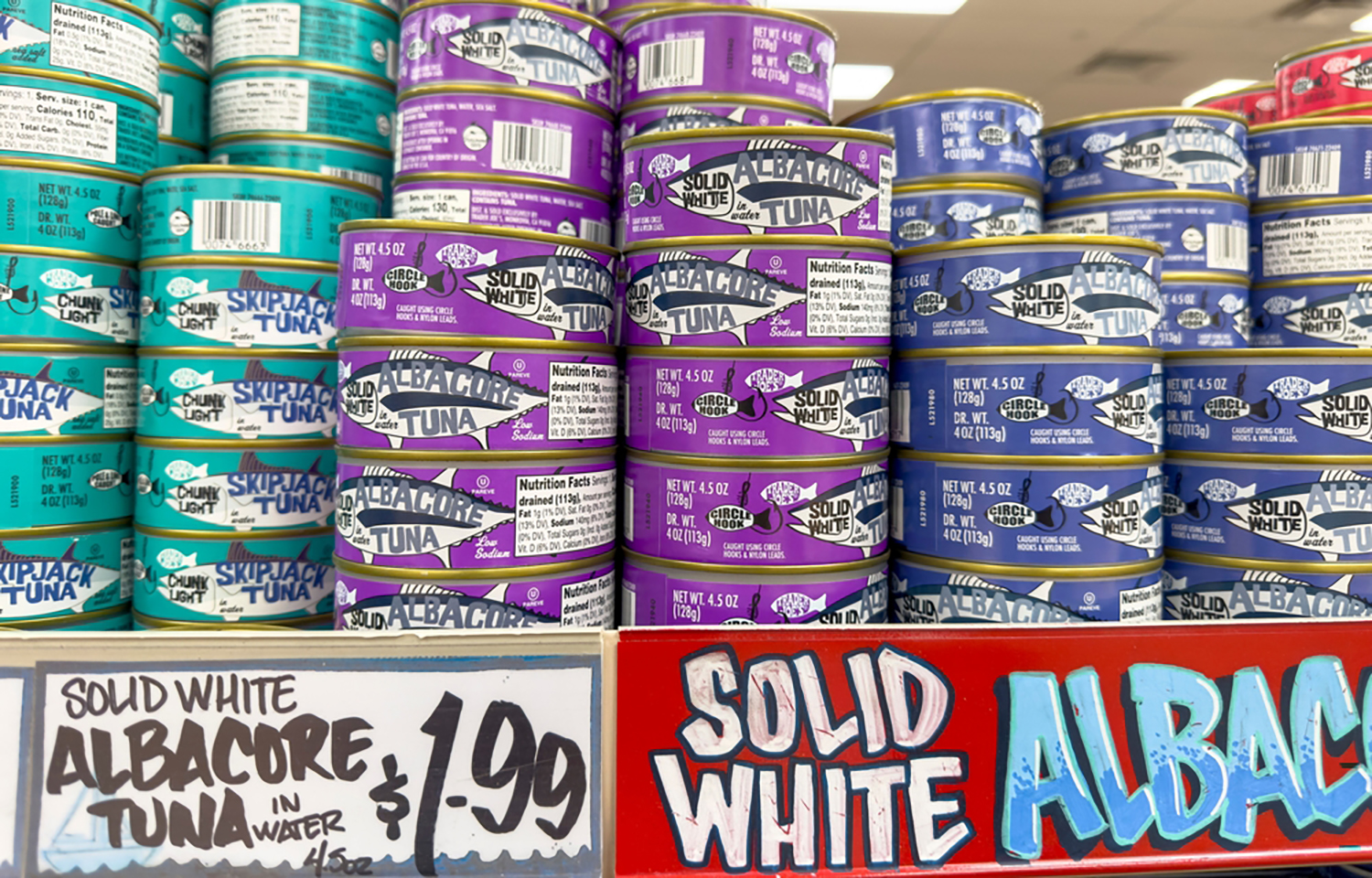
Shelf-stable seafood continues to succeed at U.S. retail, posting jumps in year-over-year sales in August, while fresh and frozen sales remained relatively stagnant.
Shelf-stable seafood prices rose over 10 percent in August 2026 compared to August 2025, according to Circana data analyzed by 210 Analytics, but sales by volume during the month still rose 5.7 percent, leading to an increase in sales by value of nearly 16 percent to USD 390 million (EUR 338 million).
Sardines led all growth in the category, increasing 42.3 percent in sales by value and jumping 20 percent by volume, according to 210 Analytics Principal Anne-Marie Roerink.
The species is “clearly bringing more feet to the aisle, resulting in across-the-board dollar and unit wins in August,” Roerink said.
Still, tuna accounted for the majority of the category’s sales, increasing 10.9 percent by value to USD 273 million (EUR 238.1 million) and 2.6 percent by volume. Canned salmon also had an impressive month, with volume growth of 8.3 percent and value growth of 21 percent.
While inflationary prices did not negatively impact the performance of shelf-stable seafood, it did affect fresh and frozen seafood in August.
Frozen seafood inflation rose 8.8 percent, leading to sales by value rising 6.4 percent to USD 824 million (EUR 728 million) but sales by volume dropping 1.4 percent.
Frozen shrimp sales, which continued to lead the category, rose nearly 6 percent by value, but sales by volume dropped 4.4 percent. Frozen salmon sales increased 9.5 percent by value, while volume sales grew 3 percent.
Frozen pollock sales increased 12 percent by value, with volume sales also increasing 7.8 percent. Frozen crab sales by value surged nearly 17 percent, while sales by volume increased only around 3 percent.
Fresh seafood inflation rose 2.8 percent, leading to relative stagnation in the category, as sales by value grew 2.2 percent to USD 840 million (EUR 732.7 million) but sales by volume fell nearly 2 percent.
Salmon remained the top seller in fresh seafood, but its sales by value increase of 2.9 percent in August was “substantially below” the annual growth rate of 5.9 percent, according to Roerink.
"This could be related to the ongoing woes in salads and leafy greens sales as they often serve as a base for salmon. The same patterns can be seen in chicken breast,” she said.
Fresh trout rose 10.8 percent in sales by value and around 7 percent by volume, but most other refrigerated species, including shrimp, lobster, cod, and catfish realized declines in both value and volume sales.
Overall, U.S. consumers remain concerned about higher fuel and grocery inflation, among other economic factors.
Food-at-home inflation remained flat from July to August of this year but increased 2.2 percent compared to last August, according to the U.S. Bureau of Labor Statistics’ (BLS) Consumer Price Index.
Additionally, gasoline prices continued to pressure household budgets, according to Roerink. The national average was around USD 4.07 (EUR 3.53) per gallon at the end of August, with prices remaining above USD 4.00 (EUR 3.47) throughout the month.
“Fuel prices are having a profound impact on grocery shopping as in-office attendance is climbing back, though still well behind the 2019 levels,” Roerink said.
As a result, consumer confidence lost ground in August, ending a two-month rebound.
The University of Michigan Consumer Sentiment Index fell to 51.7 from 55.2 in July and 58.2 during the same month a year ago, according to Roerink.
“The deterioration was particularly pronounced among older as well as lower- and middle-income consumers,” she said.
August CPI numbers brought “some modest relief” for grocery shoppers, but “households continue to navigate the impact of higher prices throughout the economy,” FMI Vice President of Tax, Trade, Sustainability, and Policy Development Andy Harig added in a release.
Looking ahead, weather challenges, including a strengthening El Niño, could affect global growing conditions, while tariffs and broader economic uncertainty may add costs or disrupt sourcing, Harig cautioned.
“Elevated energy and diesel prices increase expenses throughout the food supply chain," he said. "These factors can take months to work through the system before their impacts are felt on grocery store shelves and are worth keeping a close eye on as we move into the fall and winter months.”
