






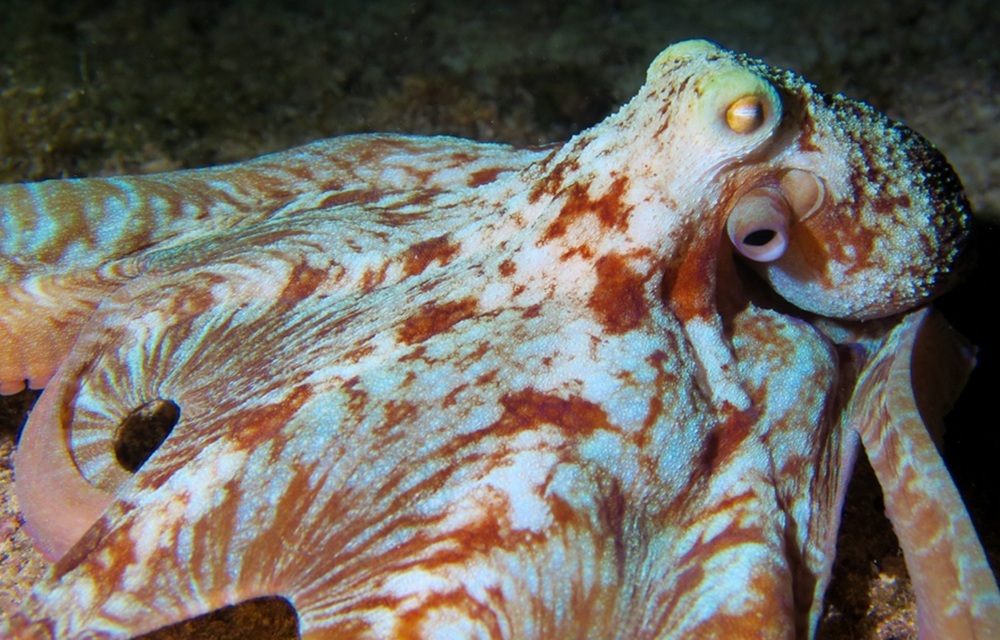
With the backing of animal welfare NGOs, a Mexico lawmaker has introduced legislation that would ban octopus farming in Mexico.
Mexico is the latest nation to consider a ban on octopus farming; last year, similar legislation was introduced in Chile, and United States lawmakers renewed their efforts to enact a national ban. The states of Washington and California have already implemented state-level bans on commercial octopus farming, while similar legislation was introduced in New Jersey last year.
Opponents of commercial farming claim that octopi are intelligent, social animals, and keeping them in isolated cages is inhumane. More than 100 scientists signed a letter opposing octopus farming in 2024.
Still, octopus farming ventures have been explored in both Spain and Mexico.
“Currently, Mexico is home to an octopus farming research facility that captures wild octopuses from the wild,” animal welfare group Compassion in World Farming said in a social media post. “Mortality rates of up to 52 percent have been reported, demonstrating just how important it is to shut this facility down and prevent any future plans to commercially farm octopus.”
The Mexican bill, which was introduced by Senator Maki Esther Ortiz Domínguez (Green Party), would ban all cephalopod farming.
“This is a major win! Mexico, a country at the center of the octopus farming controversy […] has introduced a bill to ban all cephalopod farming nationwide,” the Aquatic Life Institute said in a social media post, noting that it and the Aquatic Animal Alliance provided lobbying and technical and scientific support for the bill. “The bill now moves to the relevant Senate commissions for discussion.”
The groups’ technical analysis concluded that intensive octopus farming does not meet animal welfare standards.
The legislation will first be considered by the senate’s Environment, Natural Resources, and Climate Change Commission.
