





Chilean Lower House Representative Marisela Santibáñez has introduced a new bill that aims to ban the practice of octopus farming in the country.
The bill, penned by Santibáñez and seven other parliamentarians with support from local NGO Fundación Veg and international nonprofit Aquatic Life Institute, focuses on driving aquatic animal welfare in both aquaculture and wild-capture fisheries. Both organizations that supported the bill’s drafting are grouped under the Aquatic Animal Alliance – a coalition of more than 180 organizations hailing from over 75 countries.
The bill is currently being discussed by the Chilean Congress' Committee of Environment and Natural Resources. During this stage, external experts and stakeholders can be invited to provide technical input, which the Aquatic Animal Alliance plans to use to contribute scientific and welfare perspectives to the debate.
“Although the process can be lengthy, we are in a favorable position. Both the president of the committee and the president of the Chamber of Deputies are co-sponsors of the bill, which gives it strong political visibility and increases the likelihood of meaningful progress,” Aquatic Animal Alliance Director Catalina Lopez told SeafoodSource.
According to the executive, similar bills in Chile have taken between three and five years in the past to become law – depending on the level of political momentum, public attention, and the complexity of the debate within the relevant committees.
“While it is a long process, the early and broad political support this bill has received gives us reason for optimism. Our goal in the short term is to ensure that the bill advances steadily through the commission stages and remains visible on the legislative agenda,” she said. “At the same time, we are working with partner organizations to build sustained public and scientific engagement, which can help accelerate political will. Even if passage takes several years, the discussion it generates already plays an important role in shaping public awareness and policy direction on aquatic animal welfare and sustainable ocean management in Chile and across the region.”
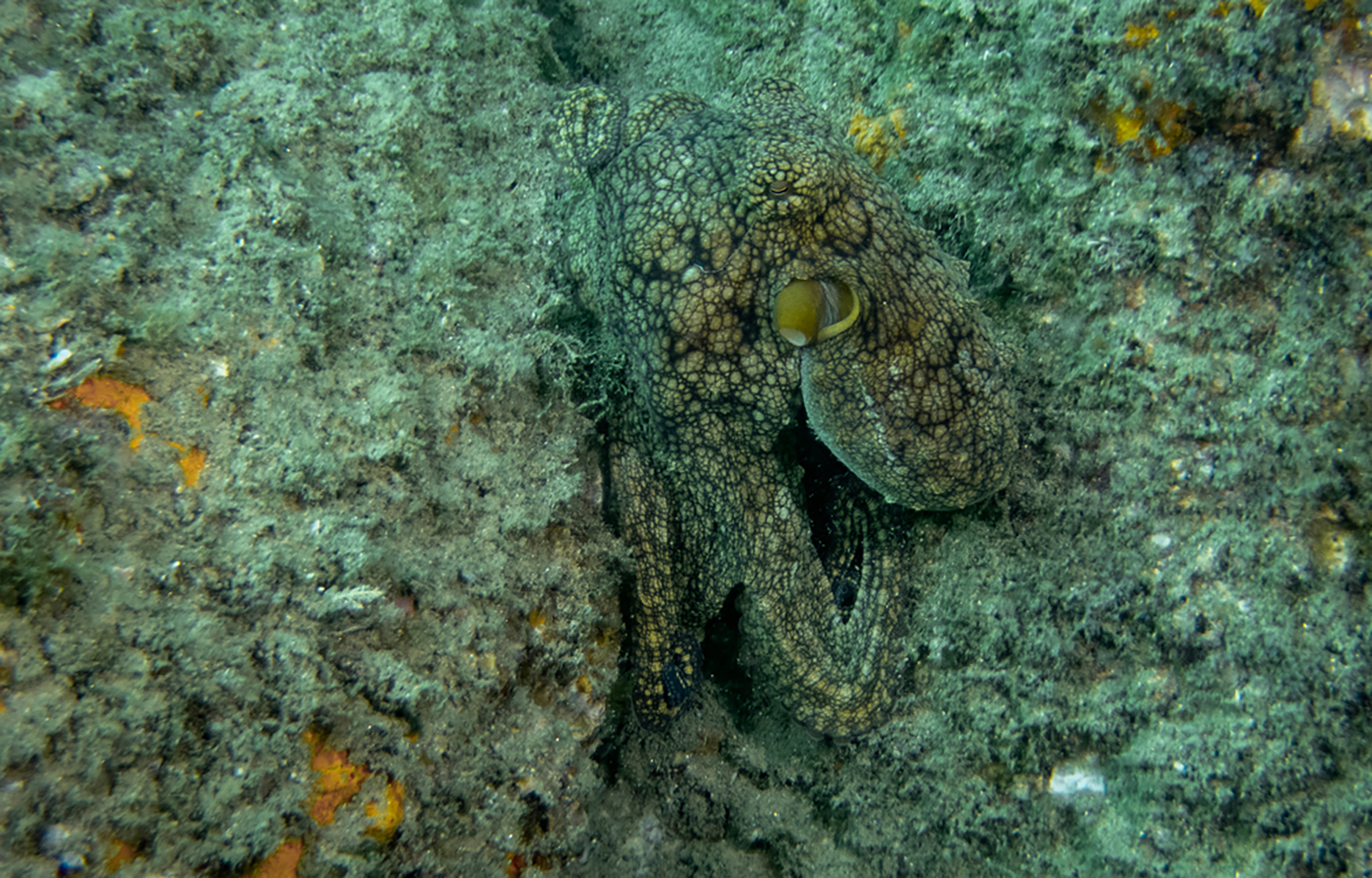
Octopus farming is a relatively new industry, with ventures being explored in Mexico and Spain.
In Mexico, there is an operational facility in the Yucatán Peninsula farming the endemic Octopus maya, known colloquially as the Mexican four-eyed octopus, while in 2022, Pontevedra, Spain-based vertically integrated seafood firm Nueva Pescanova submitted a plan to build the world’s first commercial octopus farm in Puerto Las Palmas on Spain’s Canary Islands. The company said it is ready to commercialize the technology for the incubation, hatching, and raising of Octopus vulgaris, proposing a EUR 50 million (USD 58 million) farm with an annual production capacity of 3,000 metric tons.
However, Nueva Pescanova’s plans have been vehemently opposed by environmental and anti-aquaculture groups, which have warned of potentially harmful ecological risks if the project is approved. Such detractors of octopus farming have argued the cephalopods are carnivorous and require diets rich in marine ingredients; as such, feeding the animals in aquaculture systems would exacerbate the pressure on already declining wild fish populations while also undermining global sustainable development goals.
Further, opponents point to evidence that octopuses are sentient, solitary, inquisitive creatures, saying that confining them in crowded pens would be inhumane, cruel, and stressful. Additionally, they have argued that since octopus farming is still mostly untested, there are no approved humane slaughter methods for these animals nor are there any established veterinary health management protocols, vaccines, or approved treatments for octopus farms, so high-density farming of the creatures could result in disease emergence and potential pathogen spillover into wild cephalopod populations.
In the U.S., senators have introduced legislation to preemptively ban commercial octopus farming under the Opposing the Cultivation and Trade of Octopus Produced through Unethical Strategies (OCTOPUS) Act, proposing to prohibit commercial farming at the federal level. The states of Washington and California have already adopted their own commercial octopus farming bans, and New Jersey lawmakers are currently considering adopting a ban, as well.
The recently introduced bill in Chile marks the first legislative proposal in Latin America to prohibit octopus farming, which Lopez said sets an important regional precedent for aquatic animal protection.
She did acknowledge, however, that Chile already hosts a large salmon-farming sector and that salmon and octopus farming share the same industrial approach of confining carnivorous marine species and feeding them wild-caught fish. But, she warned that any environmental challenges faced by the salmon industry would be amplified under octopus farming.
“Octopuses have an even poorer feed conversion ratio than salmon, requiring roughly 3 kilograms of wild marine animals to produce 1 kilogram of farmed octopus. This inefficiency would increase the demand for fishmeal and fish oil, intensifying pressure on already exploited forage fish populations and the ecosystems that depend on them,” she said. “Additionally, while salmon farms have caused nutrient buildup and algal blooms in deeper waters, octopus farms would likely be situated in shallow coastal waters where effluents could directly damage sensitive habitats such as seagrass beds, coral reefs, and nursery grounds. These ecosystems are vital for coastal biodiversity and fisheries, making them particularly vulnerable to pollution and habitat alteration.”
Lopez said the campaign in Chile forms part of the organization’s broader global crusade to end the industrial farming of octopuses.
“Our objective is to achieve an international consensus against octopus aquaculture, recognizing the significant ecological and welfare risks associated with this practice,” Lopez said, adding that the organization is working to introduce a similar bill in Mexico, where the issue is “especially urgent” considering the already functioning facility in the Yucatán.
Organizations such as the Royal Society for the Prevention of Cruelty to Animals (RSPCA), Friend of the Sea, and other seafood certifiers have reportedly said they would not certify any form of cephalopod farming, recognizing it is impossible to guarantee sufficient welfare conditions for this species.
