



The North Pacific Fishery Management Council (NPFMC) has once again rejected the salmon sector’s demands for hard caps on chum bycatch caught by pollock trawlers in the Bering Sea, though the body did approve some limits intended to reduce bycatch.
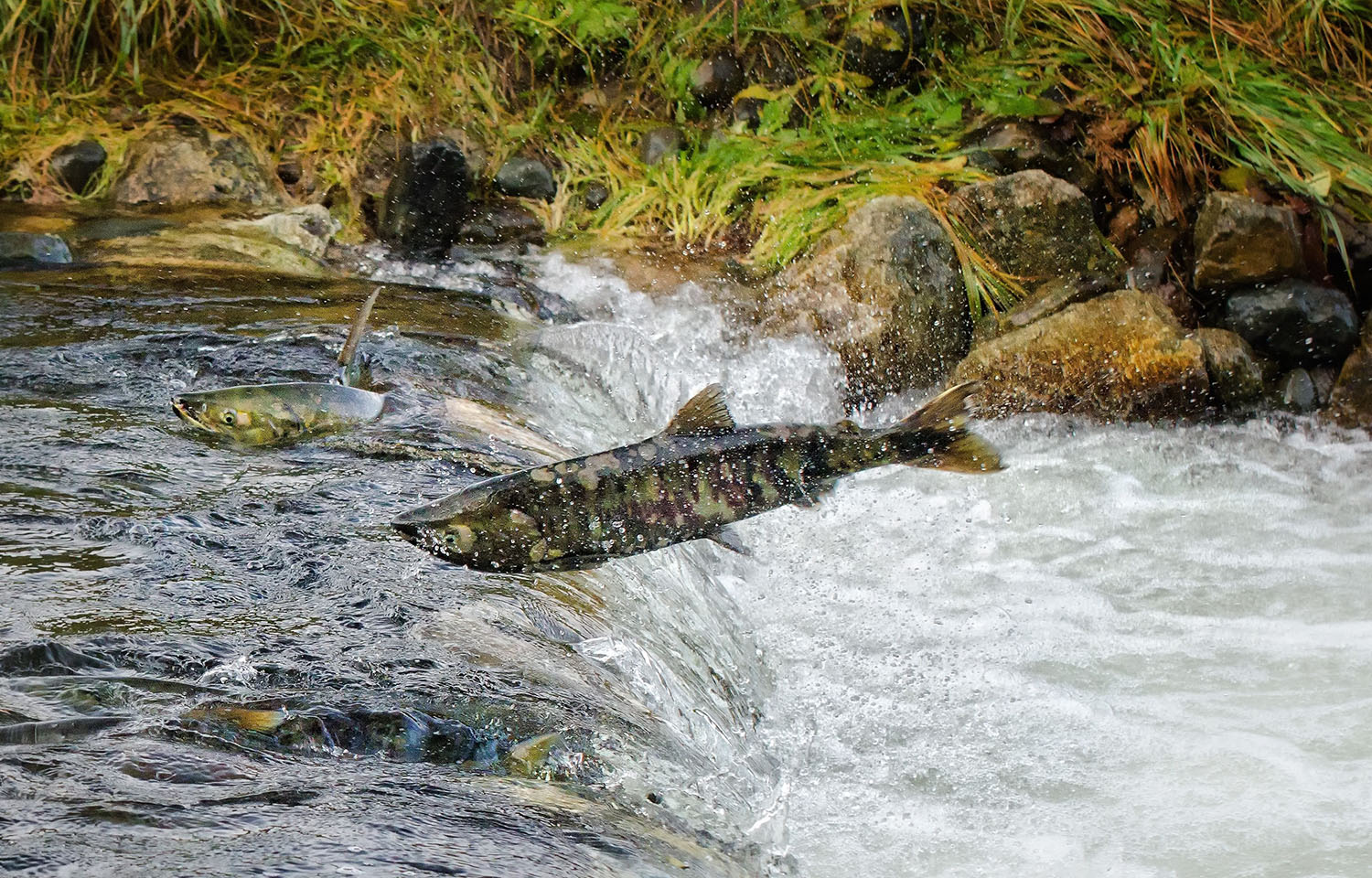
Alaska’s salmon sector has long sought stricter limits on the amount of chum salmon commercial pollock trawlers can take as bycatch, claiming that the industrial fishing activity hurts already struggling Alaskan salmon populations.
“Over the last decade, pollock trawlers have bycaught nearly 3 million chum salmon while Alaskans have suffered severe restrictions,” SalmonState Executive Director Tim Bristol said in a release. “It’s past time not only for a cap on chum salmon bycatch but for a more fair and balanced system to address the needs of Alaskan subsistence, small boat commercial, and sport fishermen.”
The pollock sector has rejected those claims, pointing out that much of the chum salmon are not of Alaskan origin. The NPFMC noted that Alaskan pollock trawlers are responsible for less than 2 percent of Western Alaska chum salmon mortality.
“Available science indicates recent declines in chum salmon populations across many regions of the North Pacific, including Canada, Japan, Russia, Korea, and the U.S., appear to be driven by warmer water temperatures in both the marine and freshwater environments, which impact juvenile survival, prey availability and quality, metabolism and growth rates, and reproductive rates,” the NPFMC said in a release.
Ahead of the council’s February meeting, SalmonState said the NPFMC “is considering inadequate solutions to chum bycatch,” calling for a hard cap on bycatch of 100,000 chum salmon. In addition to the hard cap, the group advocated a corridor cap of 50,000, with a closure once that cap is hit.
However, the council ultimately went with a slightly different policy. In an 8-3 vote on 11 February, the NPFMC opted to institute a bycatch cap of 45,000 Western Alaska chum salmon. Reaching that cap would trigger the closure of a large area of the Bering Sea where a large number of pollock are typically caught, creating a corridor for the chum salmon to transit.
In announcing its decision, the NPFMC claimed that the commercial pollock fleet had reduced its chum bycatch by 95 percent via voluntary measures over the last four years.
“The Council focused on minimizing bycatch of Western Alaska-origin chum salmon, as returns of these fish have declined substantially in recent years and reduced or eliminated in-river harvest opportunities,” the council said. “Salmon are integral to the cultural, nutritional, economic, and spiritual well-being of Western and interior Alaska residents, families, and communities throughout the region who are experiencing severe negative impacts from continued low salmon returns. The pollock fishery is also integral to the viability of many communities in the Alaska Peninsula and Aleutian Islands and is the primary revenue source for the Community Development Quota program, which provides community economic development in 65 western Alaska villages.”
Now that it’s been approved by the council, the proposal will next need to be accepted by NOAA Fisheries and finalized as a regulation.
