






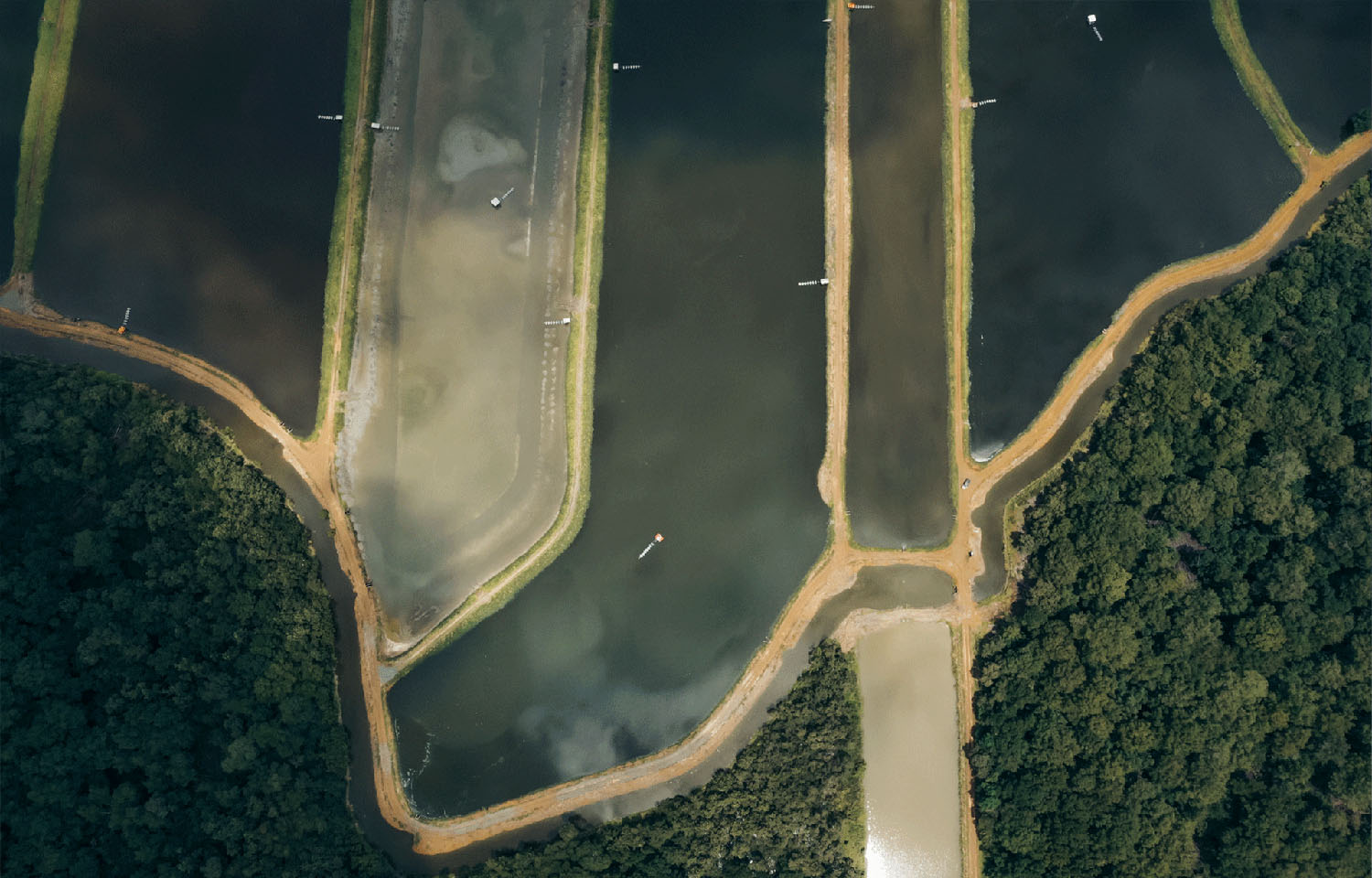
The Ecuadorian Ministry of the Interior has announced new controls on sodium metabisulfite to prevent its use in illicit activities.
When legitimately used, such as in shrimp-farming operations, sodium metabisulfite serves as a versatile preservative, antioxidant, and reducing agent to prevent food decomposition; however, it can also serve as a raw material for refining cocaine.
The new controls from the Ecuadorian government would require industries such as the aquaculture sector to generate a waybill – a shipping document that serves as a contract between shipper and carrier, detailing contents, origin, and destination for tracking and customs – for the transfer and use of the chemical compound.
“The new waybill would cost USD 6.58 [EUR 5.60] per issue. For large companies, this would imply an expense of between USD 30,000 [EUR 25,550] and USD 50,000 [EUR 42,590] per day. At a [shrimp-farming] sector-wide level, the aggregate cost would exceed USD 4 million [EUR 3.4 million] annually – a direct impact on competitiveness,” CNA Executive President José Antonio Camposano said in a release.
Instead, the chamber said it is confident that technical solutions can be identified to strengthen security controls without harming the shrimp value chain and has proposed three different measures to prevent the new controls from creating unnecessary burden.
First, it requested an extension of the waybill deadline scheduled for 1 January 2026, allowing more time for an orderly, technically feasible implementation. Second, it recommended that instead of creating an additional document, the current shipping document used by the country’s tax service, SRI, could be optimized to incorporate the fields necessary to register metabisulfite without adding paperwork or costs. Third, the CNA called for a review of the charging scheme, as the proposed waybill would not constitute a direct service to the producer and would significantly impact supply chain costs.
Ecuador’s multi-billion-dollar shrimp-farming industry has found itself increasingly having to foot the bill for external costs.
Considering that only about 10 percent of the country’s shrimp farms are connected to the electric grid, the industry has been implementing a scalable roadmap for its transition away from diesel energy to cleaner sources. Ecuador’s government ended diesel subsidies for large shrimp farms at the end of 2022, which the CNA criticized at the time as unfair and inopportune.
Meanwhile, the CNA has continued to work with the nation’s armed forces to combat crime that the nation’s shrimp aquaculture industry claims is impacting the industry. The chamber has repeatedly warned about increasing waves of crime in the regions in which the country’s shrimp aquaculture industry operates, which it said is forcing companies to hire more security to protect shipments. The company sounded an alarm about extortion attempts in late 2024, and the country’s government has gone as far as partnering with private defense contracting firm Blackwater to combat organized crime and fight illegal, unreported, and unregulated fishing.
This climate of insecurity has led Ecuador’s shrimp industry to invest more than USD 80 million (EUR 68 million) annually in security measures, including the hiring of guards and implementing advanced video surveillance systems powered by artificial intelligence and satellite tracking technology.
