






The administration of Chile President José Antonio Kast has introduced a number of provisions as part of a “reconstruction bill” that, if passed, will affect the nation’s aquaculture sector.
The National Reconstruction and Economic and Social Development Plan principally seeks to respond to damages that occurred in wildfires that took place in Chile between 2024 and 2026.
Besides that core focus, according to its authors, the multi-provisioned bill also looks to curtail and revert what the government – which changed hands when Kast took office in March – considers to be a decade of economic stagnation.
“In recent years, we have lost market share due to various problems faced by industry. For this reason, measures have been proposed to revitalize activity and recover competitiveness,” the bill, which was signed by Kast and the Chile Minister of Finance Jorge Quiroz, stated.
Regarding the aquaculture sector, the initiative proposes three legislative changes.
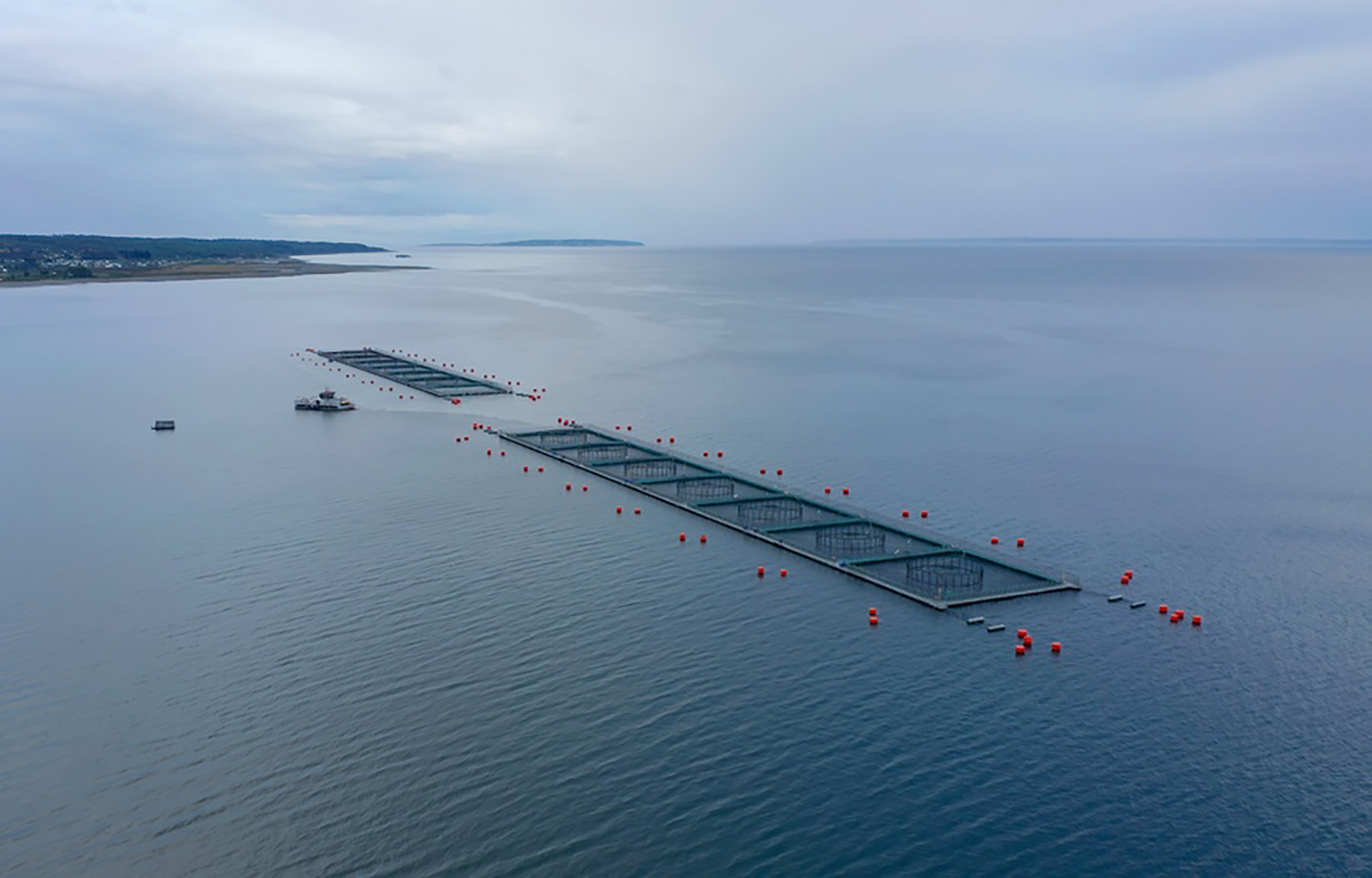
First is modification of the General Law of Fisheries and Aquaculture. Currently, any salmon concession looking to relocate must go through the government’s Environmental Impact Assessment System (SEIA) and include the presentation of a closure plan. This is the case even for small relocations or moving an already awarded concession even just a few meters to take advantage of more favorable conditions considering variables such as depth, currents, dispersion of waste and oxygenation conditions based on updated information.
While such a move could improve a salmon farm’s productive, sanitary, and environmental performance, only two such relocations have passed through the system since the regulation’s inception in 2010, despite 1,060 proposals for this procedure having been filed.
The idea in the new bill is to withdraw this obligation for smaller relocations, allowing minor modifications in the position or orientation of farming centers without altering the authorized area or increasing productive biomass limits, pending sectoral technical validations and inspection by the country’s National Fisheries and Aquaculture Service Sernapesca.
Second, the bill would change the way the country currently views non-use of existing aquaculture concessions. Currently, the law stipulates that aquaculture concessions that go unused shall be revoked, leading some salmon firms to initiate activities when they don’t necessarily make sense economically. The bill proposes that instead of outright revocation, a fine be levied against the concession holder. That move alone could bring in some USD 4 million (EUR 3.4 million) to government coffers per year, local paper La Tercera reported.
Third, the bill aims to streamline natural stock assessment and environmental reports. Both documents are currently required for proposed aquaculture concessions to evaluate existing aquatic organisms and determine sustainable operations. The bill proposes to remove the red tape in funding and performing these assessments.
The proposed provisions in the reconstruction bill were met with enthusiasm by Chile’s salmon industry.
“This announcement points in the right direction and includes part of the measures that the industry needs to achieve progress in the short term,” Chilean Salmon Council Executive President Loreto Seguel told SeafoodSource. “These are actions that are easy to implement, which could mean an increase of between 4 percent and 8 percent in activity, with a significant impact on employment, productive chains, and regional development in an industry that already represents more than 30 percent of GDP in some of the regions where it operates.”
The Salmon Council polled each of its members, asking about the proposed provisions’ expected impact on operations to get to that 4 percent to 8 percent estimate.
Accordingly, Seguel said the council believes “salmon farming is clearly recognized as a strategic industry for the country in the government's bill.”
SalmonChile President Patricio Melero agreed.
“The bill advances in generating greater certainty, competitiveness, and contributing to the sustainability of our productive sector,” he said in a release. “The proposed modifications, especially those related to the simplification of relocation processes, represent a necessary correction to a system that has proven to be inoperative. These measures will have a direct impact on the competitiveness of our sector, which represents 2.1 percent of the national GDP and sustains a production chain of more than 4,000 SMEs and 86,000 jobs, mainly in the southern regions.”
He also expressed hope that the “National Congress will be in tune with the urgency of our sector demands, which have a direct impact on the employment and development of hundreds of small and medium-sized enterprises that are part of our value chain.”
Though the industry was optimistic about the bill, opposition in Chilean Congress has begun to mount, with more than 1,500 observations or amendments to the reconstruction bill already penned. Observers affirmed that the “tsunami of opposition” is a move to make processing of the bill unfeasible.
Nevertheless, Kast has vowed to push through the legislation.
“After being defeated at the polls, [the opposition] is trying to stir up trouble in the streets and halt the progress being made democratically by the government and congress,” he said.
