

In order to sustainably grow its mariculture sector, China should look toward the way Norway has regulated aquaculture growth, according to Huang Zhitao, an aquaculture engineer and researcher at the Norwegian Institute for Water Research (NIVA).
China recently exceeded 100 offshore aquaculture platforms and ships in operation, and the sector has shown no signs of slowing as the nation’s government has made a strategic push to make offshore aquaculture a priority.
Through the United Nations Industrial Development Organization, Huang has worked on a project aimed at the sustainable development of yellow croaker farming in China.
He said in order for the production of yellow croaker, as well as other species, to grow sustainably, China should consider mirroring certain aspects of Norwegian aquaculture regulations.
“The project aims to learn from the sustainable development experiences of developed aquaculture countries and promote the transformation of China's large yellow croaker whole industry chain toward a more systematic and sustainable development path,” he said. “In Norway, production scale is closely linked to environmental conditions. For example, tools such as maximum allowable biomass and traffic light systems directly influence whether production can be increased or reduced. This reflects a governance model based on rules and scientific assessment.”
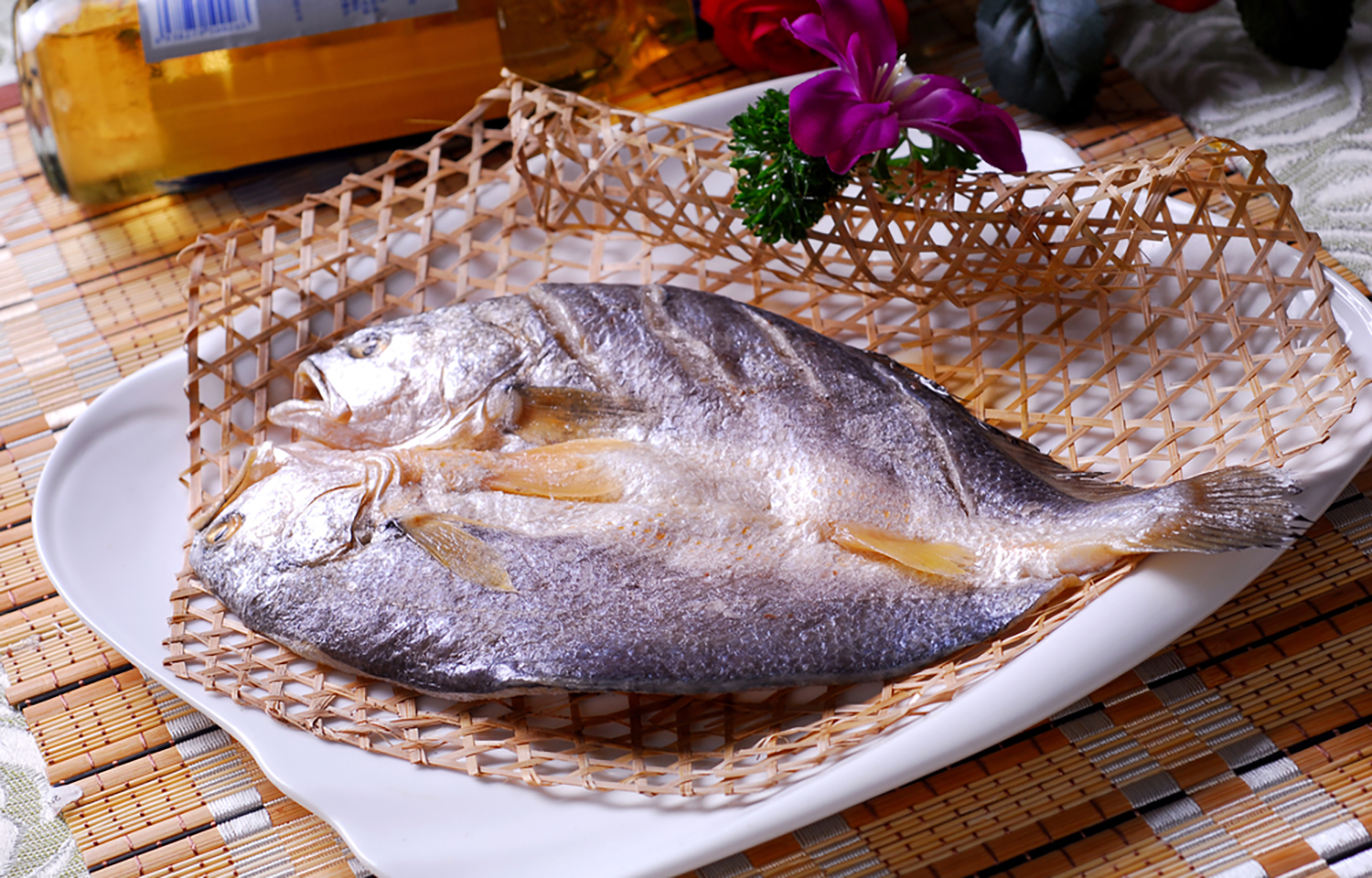
Yellow croaker already boasts annual production of approximately 300,000 tons in China, and as output continues to grow, China should consider conducting regional ecological capacity assessments, according to Huang, by “systematically understanding the current state of the aquaculture environment and establishing a long-term, stable environmental monitoring system.”
Like producers in Norway, Huang suggested Chinese yellow croaker producers could gradually link environmental monitoring results with production decisions.
“The core principle is that industrial development should be matched with ecological carrying capacity; a good aquatic environment is essential to support high-quality products and long-term, stable industrial development,” he said.
While there are some lessons China can draw from the Norwegian regulatory model, Huang cautioned that the results cannot be simply replicated.
“The Norwegian aquaculture system has gradually developed over 50 to 60 years, primarily centered around a single dominant species – Atlantic salmon – and highly compatible with its specific natural environment,” he said. “In contrast, China's aquaculture has significantly different characteristics. It has a very rich variety of farmed species, diverse farming models, and significant regional differences. Therefore, a more realistic path for China is to learn from its core principles rather than copying specific models.”
Nevertheless, Huang said China should heavily consider adopting an ecosystem-based management philosophy, data-driven decision-making mechanisms, and the integration of environmental monitoring into policymaking from Norway.
