

China’s government has reaffirmed its efforts to bolster the nation’s mariculture sector.
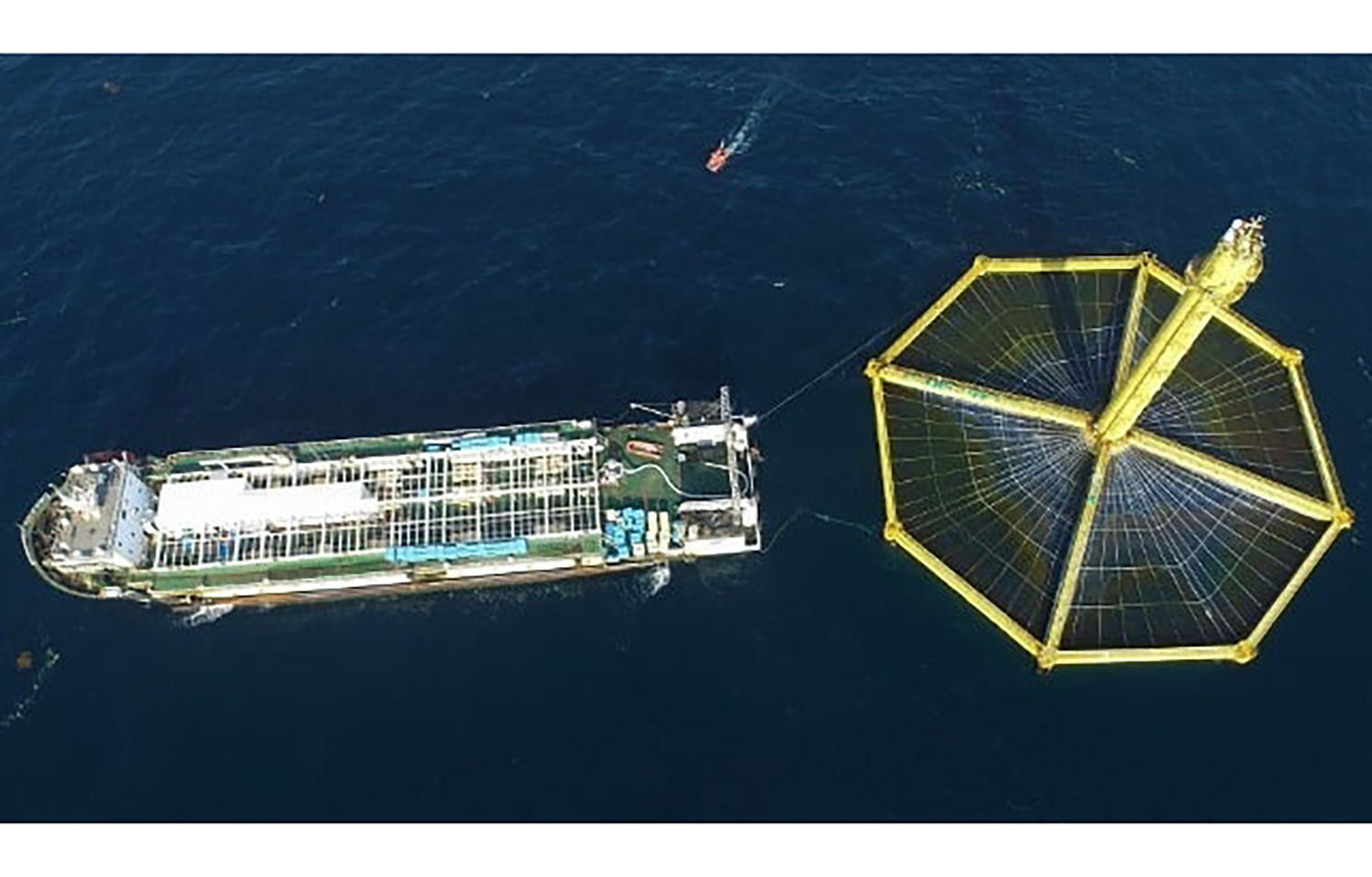
“We will actively develop open-sea and deep-sea aquaculture and implement countywide trials on green and circular aquaculture,” a recent report published by the Chinese National Development and Reform Commission (NDRC) and sent to the National People’s Congress said.
The report, titled “Report On the Implementation of the 2024 Plan for National Economic and Social Development and on the 2025 Draft Plan for National Economic and Social Development,” is good news for seafood firms like the state-owned Guoxin Development Group, which has made big investments into mariculture in China.
The report also emphasized that its efforts to strengthen domestic food production is part of a larger plan to reorient China’s trading relationships away from Western economies.
In addition to domestic production, the report said China would rely on trade with developing nations, specifically outlining a series of transport and free trade initiatives linking China to Southeast Asia, Africa, and Central Asia.
“We will accelerate the integrated development of ports, shipping, and trading services under the Silk Road Maritime platform,” the report said, referencing the old trading routes linking China to Europe via Central Asia and the Middle East.
The strategy seems to be working, as Chinese trade with countries signed up to the nation’s Belt and Road Initiative (BRI) in 2024 accounted for more than 50 percent of China’s total trade volume for the first time ever.
“China signed Belt and Road cooperation plans with 23 countries and international organizations, including Brazil and the African Union,” the report said.
Across Africa, China has opened up seafood export access recently to several African nations, including Uganda, Madagascar, and Sierra Leone, among others. Chinese construction companies have also sought to secure contracts in such countries as Guinea, and China has also made distant-water fishing deals with nations like Seychelles.
