






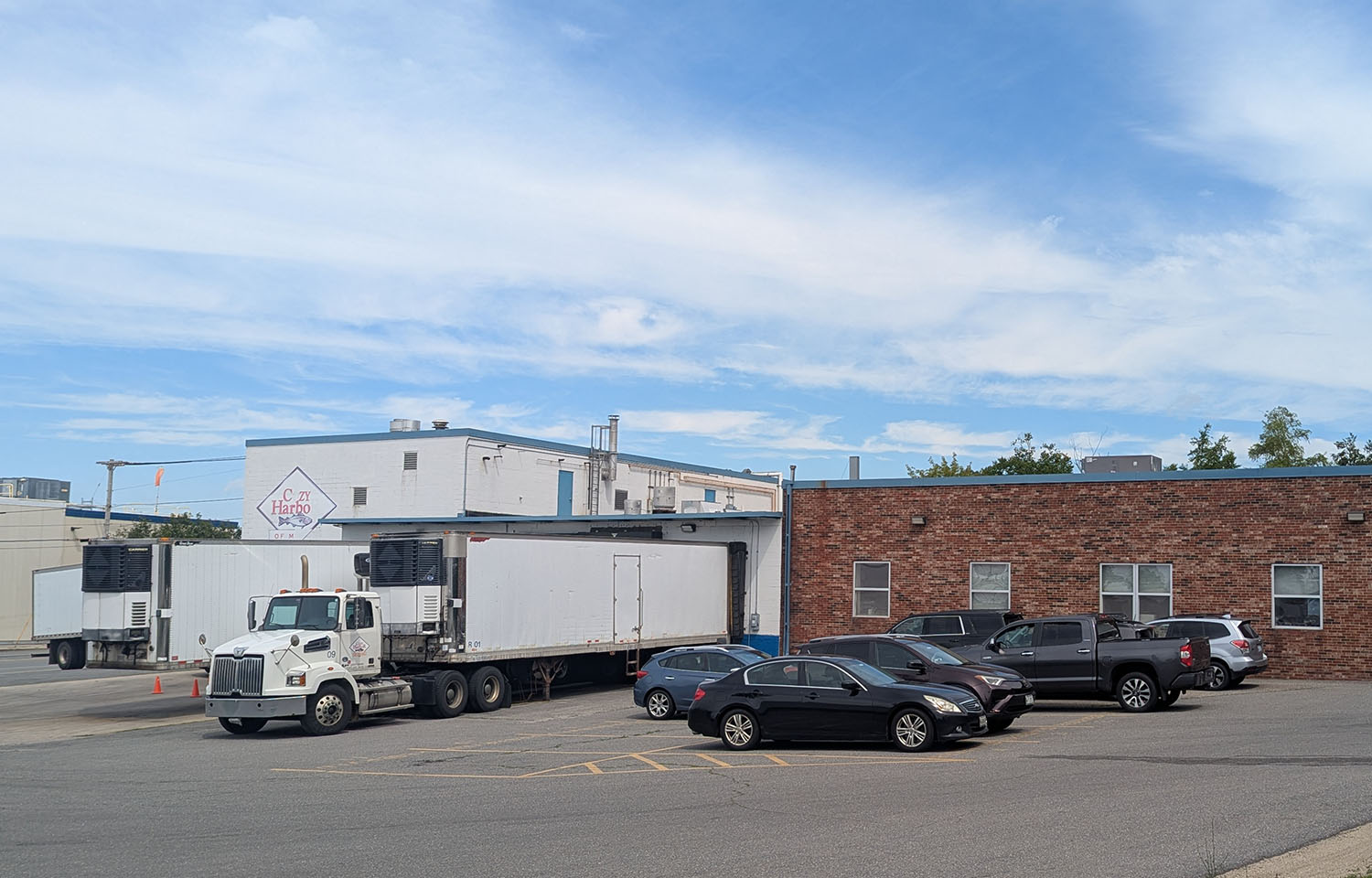
Cozy Harbor Seafood has moved to initiate an auction for its assets by early October as it works to satisfy creditors amid Chapter 11 bankruptcy.
The Portland, Maine, U.S.A.-based lobster processing company filed for Chapter 11 bankruptcy in early July, citing post-Covid price instability and uncertain tariff threats as obstacles to operating within workable margins. In its legal filings, Cozy Harbor President John Norton said the company explored a range of options prior to filing but fluctuating seafood prices caused it to have trouble paying its debts.
“In the months and years prior to the Petition Date, the Debtors diligently explored a range of options to address their ongoing challenges related to maintaining sufficient cash flow to satisfy their debt and operational obligations,” the early July filing stated.
In a more recent filing, Cozy Harbor said it worked with its advisors and corporate finance associates and “considered a variety of options to maximize the value of their assets for the benefit of all parties in interest, including a debt restructuring and various sale options.” Through that process, it concluded that the best strategy was to pursue a sale of its assets to a buyer.
The filing reveals that Cozy Harbor “held discussions with several interested potential buyers” prior to its initial filing for bankruptcy but no companies gave actionable offers before it ran into financial trouble and was forced to file for bankruptcy.
Cozy Harbor said it believed designating one or more parties to serve as a stalking horse bidder on the company’s assets could be a way to maximize the value of the sale – which it proposed to close on or before 9 October 2025.
According to court filings, Cozy Harbor owes over USD 4.9 million (EUR 4.2 million) to KeyBank and over USD 323,000 (EUR 277,000) to Camden National Bank.
As Cozy Harbor proposes to move toward a bid process for its assets, it is also seeking to authorize the use of cash collateral to continue maintaining the business as it works through the bankruptcy process. Cozy Harbor said it needs to continue to buy, process, and distribute products including premium-quality lobster tails, lobster meat, and live lobster to keep its operations working.
“Other than cash collateral, the Debtors do not have access to funds and would be unable to pay these necessary expenses,” Cozy Harbor wrote. “Accordingly, access to and use of Cash Collateral will provide the Debtors with the liquidity necessary to ensure that the Debtors have sufficient working capital and can meet their obligations as debtors-in-possession in the cases.”
In response, U.S. Bankruptcy Judge for the District of Maine Michael Fagone issued a final order finding that Cozy Harbor had a need to use cash collateral to continue having the available liquidity to operate the business.
Documents submitted to the court as part of the process gave a window into Cozy Harbor Seafood’s weekly cash flow, which showed the company’s spending on lobster and fish products and the value of its inventory on any given week.
The company’s forecasts for the next several weeks showed losses in its cashflow and a gradually diminishing amount of cash on hand through October.
