






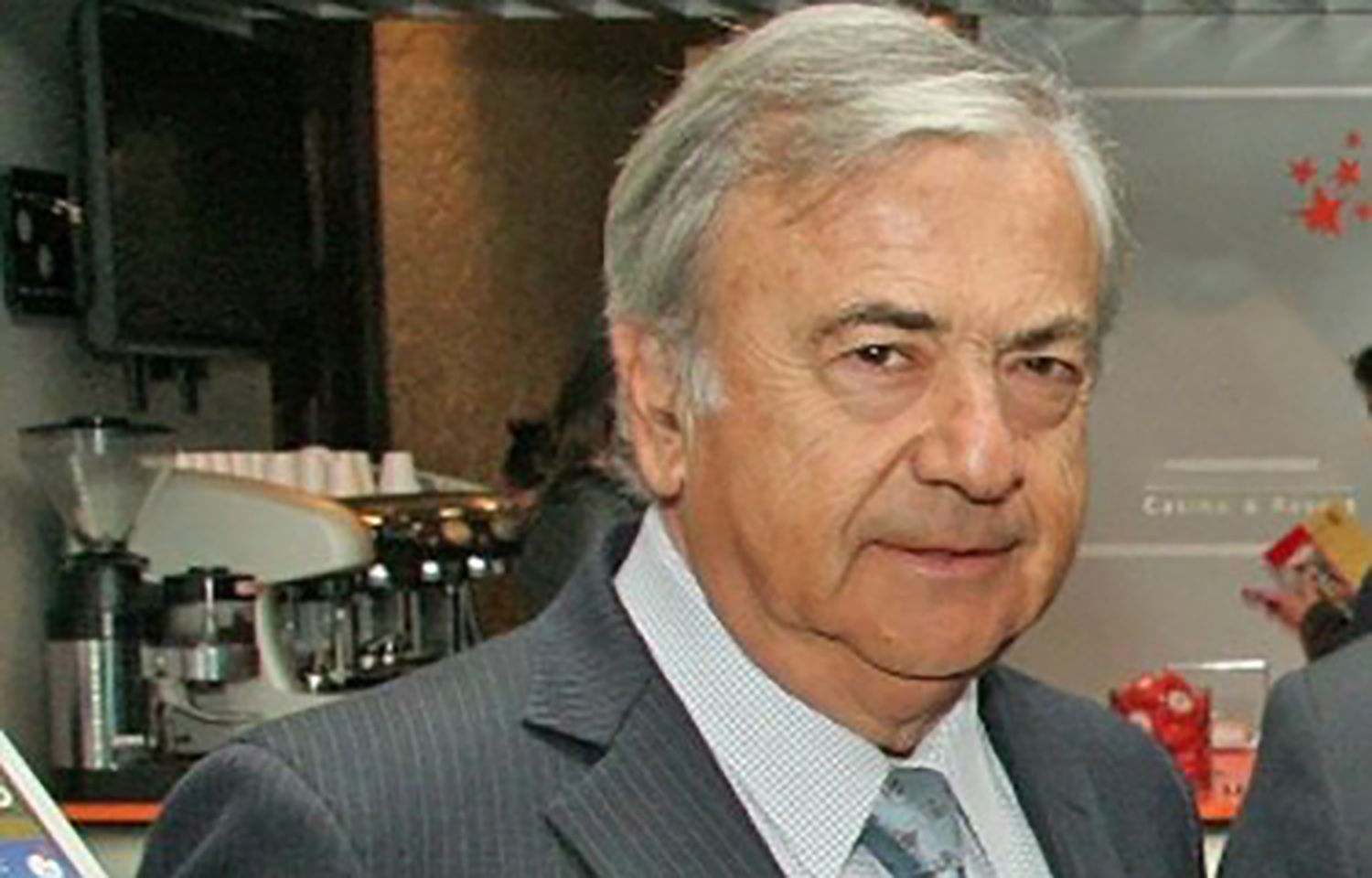
Chinese foodservice group Joyvio, which owns Chilean salmon-farming firm Australis, recently suffered a second setback in its legal proceedings against Isidoro Quiroga, a Chilean businessman who used to own Australis and who Joyvio has accused of committing one of the “greatest frauds in the history of Chile.”
Quiroga sold Australis to Joyvio in 2018 for USD 921 million (EUR 843 million); however, following the sale, Joyvio alleged Quiroga had engaged in hiding, falsifying, or adulterating critical information during the sales process, including what the company now deems was deliberate overproduction to inflate salmon-production numbers and, therefore, the company’s valuation when it came time to negotiate a sale.
Joyvio subsequently filed suit against Quiroga for USD 1.22 billion (EUR 1.12 billion) in restitution and damages.
Quiroga has called the accusations “falsehoods and slander,” insisting that all the details of Australis’s present and past production, as well as environmental and sectoral permits, were made available to Joyvio and its specialized advisors throughout the due diligence period of the sale. He has also questioned why the accusations surfaced four years after the purchase.
Aiming to find an avenue to attain some compensation for what it claims was a deceitful sales process, Joyvio took legal action in the U.S. state of Delaware against Quiroga and South Lake One LLC, a company based in the state and linked to Quiroga, at the end of 2023.
With a population of about 1 million people, Delaware is one of the U.S.’s smallest states, but it is the legal home to many companies, such as South Lake One and more than 65 percent of Fortune 500 firms, thanks to its corporate-friendly environment.
At the Superior Court of the State of Delaware, Joyvio sought a case on the grounds of avoidance, which according to the United Nations Commission on International Trade Law (Uncit) is the one-sided right of a party to terminate a contract.
“Such termination of a contract is the hardest sword that a party to a sales contract can draw if the other party has breached the contract. No other remedy – claim for performance, price reduction, or damages – has the same incisive effect,” Uncit said.
In the latest turn of events, at the end of August, Judge Meghan Adams of the Superior Court of the State of Delaware ruled that her court lacked the jurisdiction to hear the case presented by the Asian conglomerate and accepted the defendant’s motion to dismiss the case.
“Avoidance is a form of equitable relief, relief the Superior Court does not have jurisdiction to grant. Plaintiffs did not seek monetary damages in their requests for relief in the amended complaint despite being on notice of this challenge once defendant filed its first motion to dismiss on subject matter jurisdiction grounds,” Adams said in her ruling. “Plaintiffs did not provide the court with a single case finding jurisdiction over a Delaware Uniform Fraudulent Transfer Act claim seeking avoidance as a legal remedy. Despite the court’s best efforts, the court was unable to find any Delaware case that considered avoidance a legal remedy.”
The Superior Court ruled that all further issues should be determined by the Delaware Court of Chancery, another court with appropriate subject matter jurisdiction, given the complexity of the case.
That court claims it “is widely recognized as the nation’s preeminent forum for the determination of disputes involving the internal affairs of the thousands upon thousands of Delaware corporations and other business entities through which a vast amount of the world's commercial affairs is conducted.”
The ruling represents Joyvio’s second judicial setback in its legal dispute against Quiroga.
In February, the U.S. District Court for the Southern District of Florida also denied a legal action filed by Joyvio which sought to access movements and documents related to Quiroga's bank accounts at JP Morgan Chase Bank. That ruling by Judge Jacqueline Becerra – the first judicial decision to occur on the various legal fronts taken by Joyvio in the case – determined that the suit was not well-articulated and did not sufficiently explain the need to request documents in the U.S. for an action that occurred in Chile.
In the meantime, Chile’s Superintendency of the Environment (SMA) has several sanctioning processes pending against Australis for exceeding authorized production limits at several grow-out centers from 2017 through 2021. Sanctions could include fines of several million dollars and closure of the centers in question.
Australis self-reported cases of overproduction to the SMA in October 2022 in a bid to lower sanctions by environmental authorities, but this summer, environmental NGO Fundación Terram said it had uncovered 23 more cases of overproduction that were not included in the self-report, resulting in 22,708 metric tons (MT) of overproduction.
That allegation was part of a larger study in which Fundación Terram said it had uncovered 95 cases of overproduction by nine Chilean salmon-farming firms in operations located in the country’s natural reserves from 2012 to 2023, resulting in the harvest of more than 67,000 MT of salmon above the authorized limits.
Australis was the main perpetrator of overproduction in national reserves during the time frame studied, according to Fundación Terram.
