



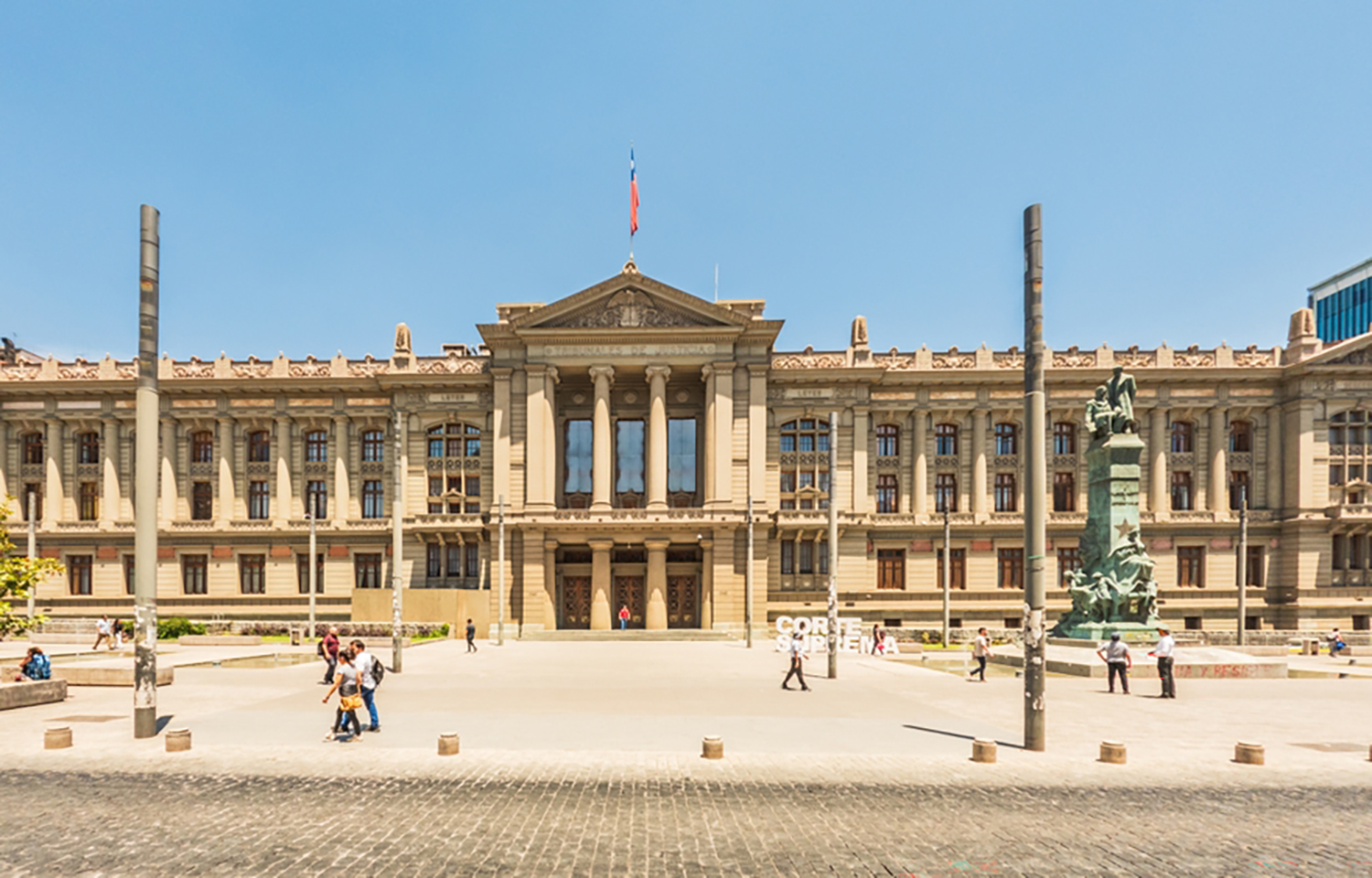
Chile’s Supreme Court has rejected an appeal filed by the Los Lagos Communal Environmental Committee and confirmed the validity of an environmental permit issued for Salmones Antártica’s Río San Pedro salmon farm.
Santiago, Chile-based Salmones Antártica first sought approval on a fish-farming project along the San Pedro River, located in the southern Los Ríos region of the country, in 2007. Shortly thereafter, the firm received an environmental permit for the project in March 2008.
The project’s works then remained on hold for nearly two decades due to several external factors, such as a legal dispute with another company over water rights and a long process to register the project in Chile’s National Aquaculture Registry.
In January 2025, though, the Los Lagos Municipal Directorate of Works finally granted a building permit for the farm. That decision met immediate backlash from organizations such as the Río San Pedro sin Salmoneras movement, which asserted that the proposed farm’s environmental assessment and subsequent approval in 2008 are outdated and fail to consider essential variables that have changed over the past two decades, such as the effects of climate change, cultural heritage, and the current water situation in the area.
“The territorial rules are obsolete and no longer meet modern standards. If you look at the 2008 approval under the lens of today’s regulations, [the project] wouldn’t pass,” lawyer and Río San Pedro sin Salmoneras spokesperson Ornella De Pablo previously said. “Companies should not be allowed to execute a project 20 years later without reevaluation.”
At the end of 2025, a Chilean environmental court ordered a full work stoppage on the USD 17 million (EUR 14.6 million) project.
Now, Chile’s highest court has upheld a ruling from the nation’s Third Environmental Court, which had previously determined that authorities acted in accordance with the law by not accepting complaints filed against the project. In the process, the courts have thrown out the idea of a possible expiration of the environmental permit granted in 2008.
In its resolution, the Supreme Court concluded that work beginning on the project had been carried out within the established deadlines and in accordance with current environmental regulations, specifying that a possible stoppage or subsequent non-compliance is not cause for the expiration of its environmental permit.
The project’s detractors decried a lack of stakeholder engagement in the legal process.
“This ruling exposes a problem that extends beyond our specific case: When a matter of such significance is resolved without oral arguments, communities see their access to justice – and their opportunity to be heard directly by the highest court – restricted. This is a point that must be raised, as it constitutes a barrier to accessing justice,” the Río San Pedro sin Salmoneras movement said.
Nevertheless, the movement clarified that while the Supreme Court’s decision closes this particular legal avenue for opposition, it solely focused on legal and technical aspects without ruling on the initiative's environmental viability and, therefore, has not closed the debate surrounding the project. It added that its legal team is already exploring new alternatives and administrative avenues to stop the project from progressing.
The Salmones Antártica project includes a fish-farming facility for raising salmon roe, fries, and smolts in 400 incubation platforms and 300 grow-out tanks using water from the San Pedro River. According to the company, once fully operational, production estimates total around 11 million salmon over a five-year period, which would result in more than 800,000 metric tons (MT) of salmonids.
