



Chile’s Superintendence of the Environment (SMA) has levied a fine against the owners of the Quimeyco fish-farming project, located in the central-southern Araucanía region, after verifying a series of environmental breaches.
The SMA sanctioned the company Sociedad Comercial Agrícola y Forestal Quimeyco Limitada with a fine equivalent to around CLP 2.33 billion (USD 2.5 million, EUR 2.2 million) for having modified the project without undergoing an environmental assessment. Between 2015 and 2019, the company “consistently and significantly exceeded the limits” on biomass production, food consumption, and sludge generation authorized in Quimeyco’s original environmental permit, the SMA said.
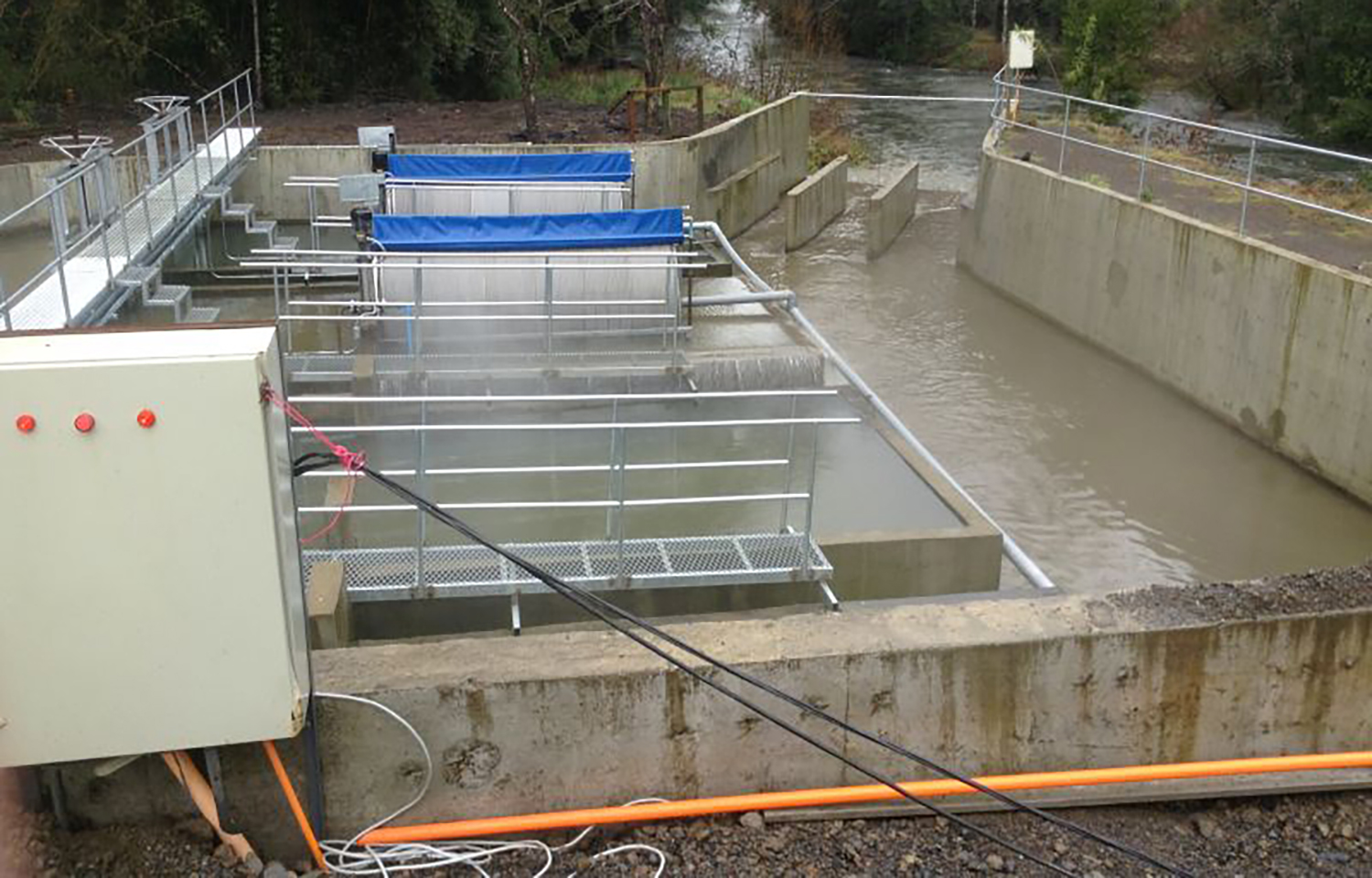
The Quimeyco farm has a maximum annual authorized production of 120 metric tons. The plant’s industrial wastewater is supposed to be treated with rotary filters before the effluent is discharged into the Carhuello River, with an estimated average flow of 3,500 liters per second.
However, the unauthorized ramp-up in activity at the farm led to emanating odors and increased wastewater discharges and is expected to have contaminated the river, SMA said.
The company now has 10 working days from the date of notification of the sanction to make the payment to the General Treasury of the Republic, according to the SMA.
Chile’s environmental authorities have been stepping up controls on fish farms operating on bodies of fresh water throughout the South American country.
A Chilean environmental court recently ordered a full work stoppage on Salmones Antártica’s USD 17 million (EUR 14.6 million) fish farm being built on the San Pedro River, located in the southern Los Ríos region of the country, due to concerns raised by local citizens over possible irreversible impacts on the river should the project become operable.
“What has happened is a clear sign: Territories must be respected, and environmental decisions cannot be imposed without considering the feelings of the communities and the protection of our ecosystems,” Los Ríos Senator Alfonso de Urresti said of the proposed Salmones Antártica project. “We will remain vigilant and committed to safeguarding the San Pedro River and the right of citizens to live in a healthy environment.”
