



A series of harmful algal bloom events that have occurred in Chile’s south has led the country’s National Fisheries and Aquaculture Service (Sernapesca) to hold meetings with aquaculture representatives to determine how best to respond.
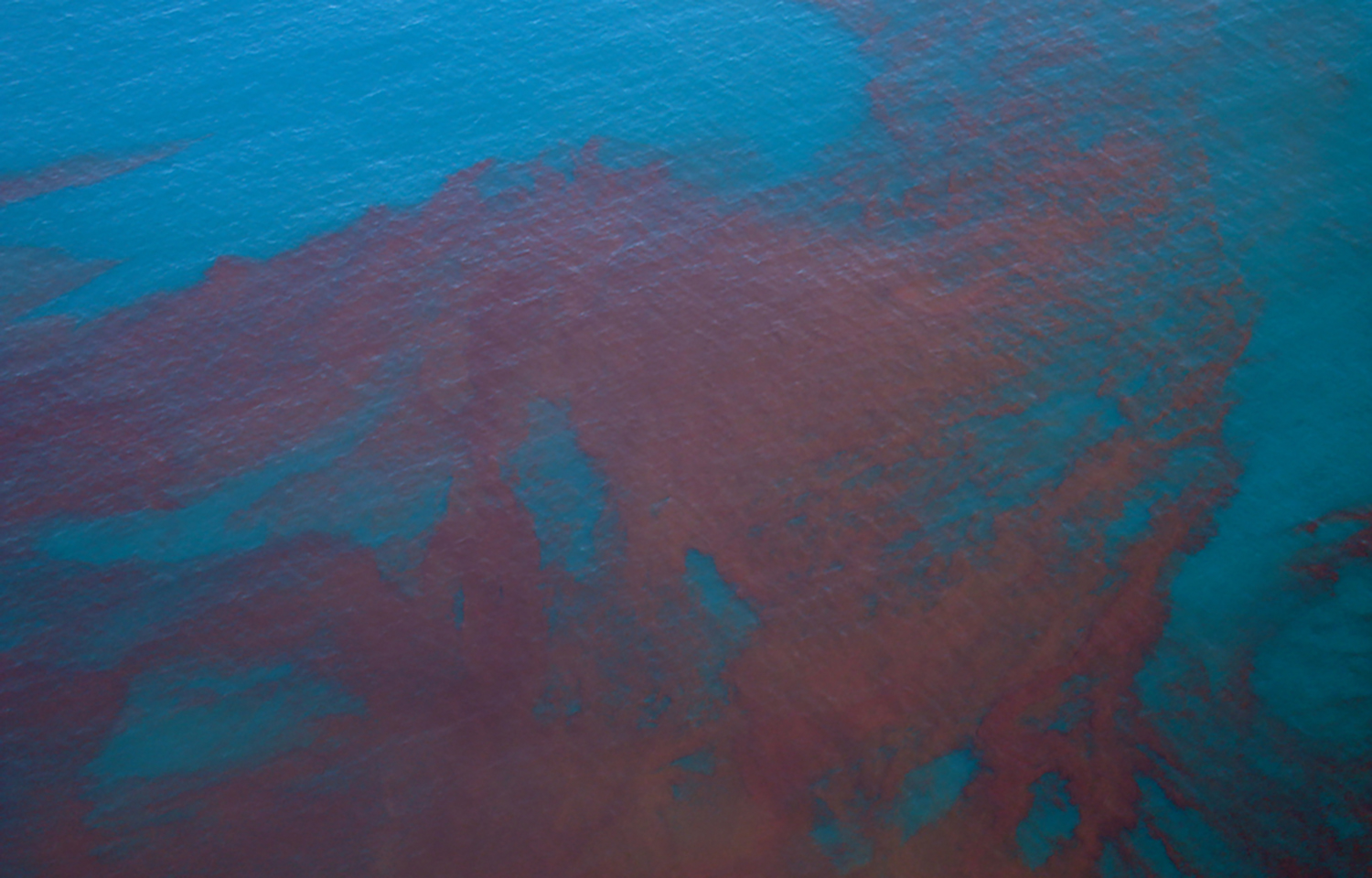
The algal species Heterosigma akashiwo has been observed in Chilean waters since March, mainly affecting salmon operations set up in the Reloncaví Sound, which is located in the Los Lagos region of Southern Chile.
Heterosigma akashiwo – meaning “red tide” in Japanese – is a microalga characterized by its golden-brown color and its clump-like appearance. It is harmful to fish because it consumes dissolved oxygen, causing suffocation, gill damage, and oxidative stress to fish in the same waters; however, it is not toxic to humans.
Stakeholders participating in the meeting updated Sernapesca with their respective situations; to date, 11 farming centers have been affected and have activated preventive action plans.
Authorities also reviewed measures established to prevent mass mortalities of salmonids. These include the authorization for fish to be transferred to other farming centers and for fish to be held at collection centers for longer periods of time.
The meeting sought to reinforce procedures and contacts to channel any requests from aquaculture firms in the coming weeks.
Sernapesca also invited representatives of the Chilean Navy’s Directorate of Maritime Interests and Aquatic Environment (Dirinmar) and the Undersecretariat of Fisheries and Aquaculture (Subpesca) in order to strengthen public coordination.
Sernapesca Deputy Director of Aquaculture Mónica Rojas highlighted the importance of coordination in response to algal bloom contingencies and said that the current contingency may be indicative of further similar events coming this year owing to increased El Niño weather patterns.
“The current scenario anticipates the arrival of the El Niño phenomenon with a greater intensity, similar to what happened in previous years in which there was a significant impact on [salmon] farming centers, so we need to strengthen coordination and preventive plans – not only with public institutions but also with the aquaculture sector to act jointly in the face of any contingencies that may arise,” she said.
Last year, Chile saw biological conditions improve as the sector recovered from algal blooms and ISA outbreaks that it had experienced in 2024.
Salmon Chile reported that total export volume for 2025 was 982,840 metric tons (MT), marking a 14 percent year-over-year increase. The improved production produced a 3 percent year-over-year increase in export values, with the year’s total exports amounting to USD 6.55 billion (EUR 5.52 billion).
