


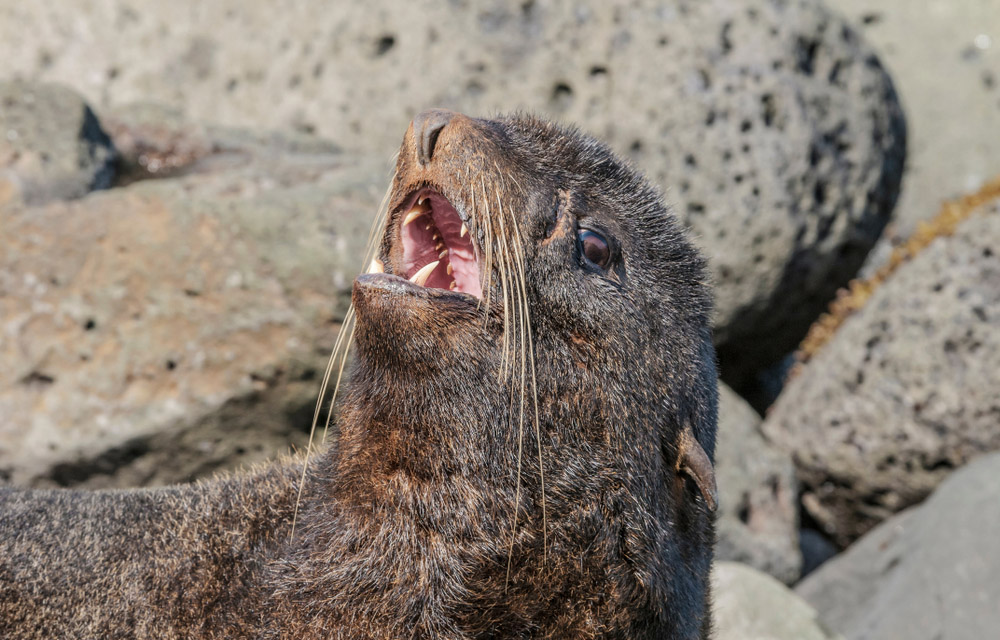
Conservation NGO the Center for Biological Diversity (CBD) has filed a lawsuit challenging NOAA Fisheries’ regulations for pollock trawling in Alaska, arguing that the government has not done enough to protect northern fur seals.
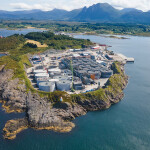
The lawsuit centers on the seal population around St. Paul Island, Alaska, U.S.A., where many mothers raise their pups. According to CBD, those seals rely on the same pollock that are harvested by the commercial trawling sector, depriving them of a key source of prey and putting that population under unnecessary stress. The seal population on the island has shrunk 70 percent over the last 50 plus years, and CBD claims that the pollock trawl fishery is one of the primary culprits.
“We’re asking for sensible safeguards to make sure northern fur seal mothers can find the food they need to raise healthy pups and rebuild this declining population,” CBD Alaska Director Cooper Freeman said in a release. “The federal government is legally required to make sure industrial fishing doesn’t devastate this vulnerable population of seals, but it’s failed to act for decades. If the pollock fleet is truly committed to sustainability, then I’d expect they’ll gladly agree to commonsense protections for fur seals on St. Paul Island.”
CBD alleges in its lawsuit that NOAA Fisheries violated the Fur Seal Act, the National Environmental Policy Act, the Administrative Procedure Act, and the Magnuson-Stevens Fishery Conservation and Management Act by not including stronger fur seal protections in its annual harvest regulation.
NOAA Fisheries was asked about the impact of the trawl fishery on northern fur seals while drafting the latest harvest specification, but dismissed those concerns as overstating the available evidence.
“At this time, NMFS has concluded that there is not sufficient information to determine if the pollock fishery is disrupting fur seal feeding to an extent that results in take prohibited under the FSA. There is evidence suggesting nutritional limitation could be causing declines in segments (i.e., foraging complexes) of the northern fur seal population; however, there are increasing trends on some foraging complexes on the Pribilof Islands and neither trend is definitively linked to commercial fisheries, particularly the pollock fishery,” NOAA Fisheries said in response.
An April 2025 research publication – which itself was funded by NOAA through its Climate and Fisheries Adaptation (CAFA) Program – found that 76 percent of the pollock caught during the B season were harvested from core fur seal habitat, where mothers typically forage for their pups.
“The high overlap between suitable fur seal habitat and commercial fishery catches of pollock, coupled with projected changes in habitat suitability, underscore the need for targeted studies investigating fisheries impacts on this declining population,” the authors noted.
CBD is asking the court to force NOAA Fisheries to ban pollock trawling around St. Paul Island during the summer pupping season.
“It’s high time to hold the Bering Sea pollock trawl fleet accountable for the harm it’s causing northern fur seals,” Freeman said. “The pollock trawl fleet doesn’t own the Bering Sea, and fisheries managers need to start safeguarding these ecologically and culturally important marine mammals. The science is clear, so we’re asking the court to make sure the agency finally takes action.”
