




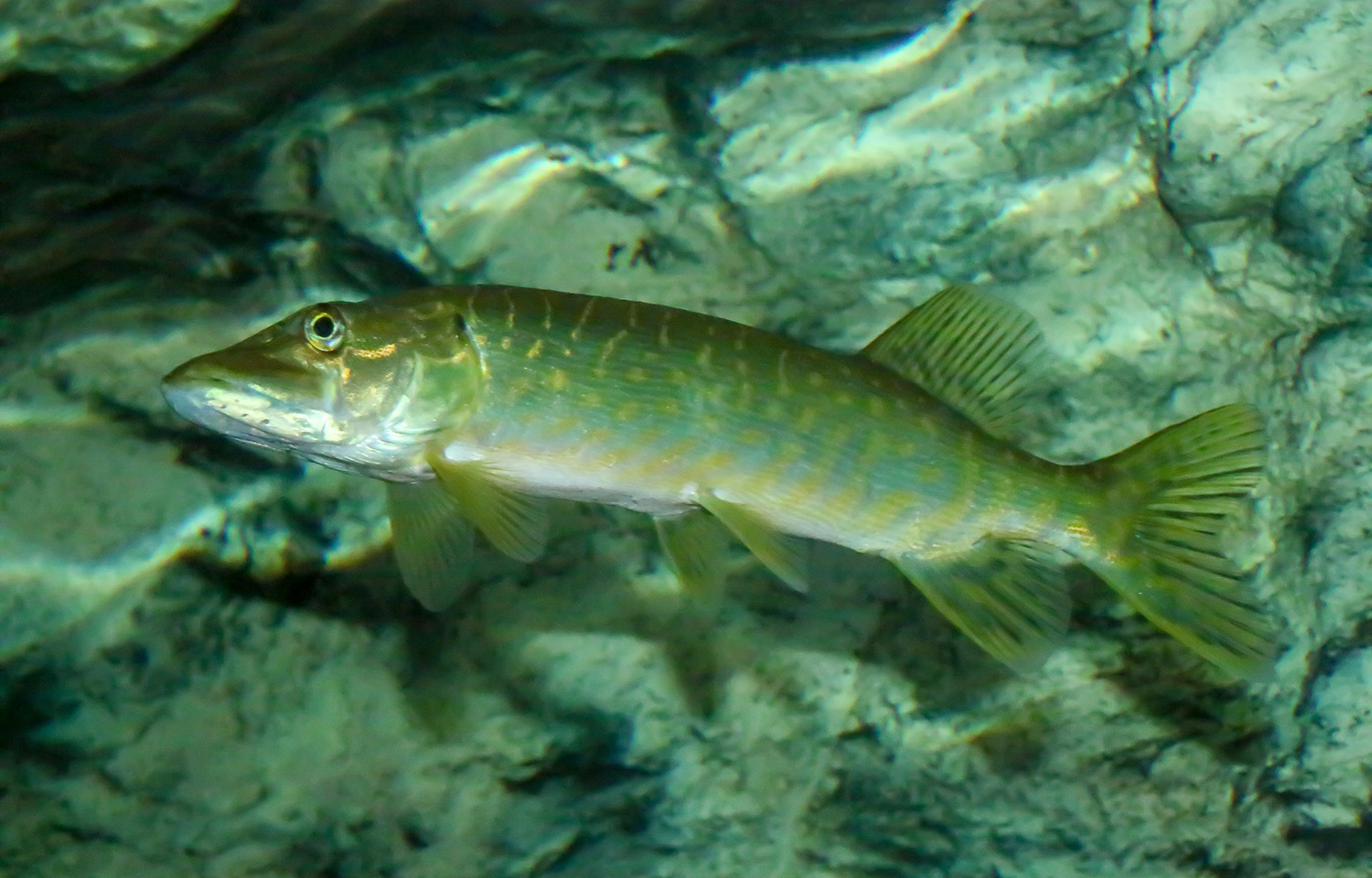
A March study led by the University of Alaska Fairbanks (UAF) found that rising water temperatures in the Southcentral, Alaska, U.S.A. Deshka River are increasing the feeding habits of invasive northern pike, with a 6 to 12 percent increase in consumption by 2100.
Experts warn that could be bad news for young salmonoids, one of their preferred meals.
Researchers collected data for the project by analyzing the stomach contents of northern pike caught by the U.S. Fish and Wildlife Service from the summer of 2021 and 2022 and compared those samples to ones collected a decade earlier, according to a UAF release. Results showed a 63 percent rise in year-old pike feeding patterns, and data indicated that feeding habits increased in every age class of pike as temperatures rose.
“We expect there will be significant warming in the future, and the amount of fish that pike consume is going to increase with it,” UAF College of Fisheries and Ocean Sciences study lead and graduate student Benjamin Richsaid in a release by the University.
UAF found that air temperatures in the area have risen by an average of three degrees Fahrenheit since 1919, and 0.8 degrees in just the past decade. Water temperatures in the Deshka river have also been above historical normal temperatures, and trends expect warming to continue.
According to NOAA, northern pike are native to a majority of Alaskan waterways but are invasive both south and east of the Alaska Mountain Range, excluding a small area near Yukatat. Introducing the invasive species is problematic, NOAA adds, because “pike are top level predators in aquatic food chains and are highly piscivorous (fish eating).”
“Pike prefer vegetated, low flow, shallow habitats where they can hide and ambush prey,” NOAA said. “Areas like these are plentiful throughout Southcentral, and pike tend to thrive in these locations, often to the detriment of native species. Generally, when pike are introduced to a shallow vegetated lake or a slow-moving weedy river in Southcentral Alaska, they eventually consume all of the juvenile salmon and trout."
In Southcentral Alaskan rivers like the Deskha River, rearing salmonids are at high risk because smaller pike feed on the salmon fry and smolt, and feed more often than larger pike fish. These increased feeding patterns are common in other freshwater systems, as warm water boosts metabolisms. In Southcentral Alaska, illegally introduced pike share habitat with both Chinook and coho salmon, which are both declining populations.
UAF Professor and study co-author Peter Westley said there’s a correlation between invasive species, climate, and freshwater fish extinctions, and those impacts will only increase over time.
“There’s been a lot of work done about how changes in temperature affect salmon directly. That’s really important, but salmon aren’t alone in these rivers,” UAF International Arctic Research Center researcher Erik Schoen said. “It’s also important to understand how these changes are affecting salmon indirectly through their predators, prey and pathogens.”
The study, titled “Warming causes modest increase in the consumptive demands of invasive Northern Pike (Esox lucius) in Alaska freshwaters,” was published in the journal Biological Invasions.
