






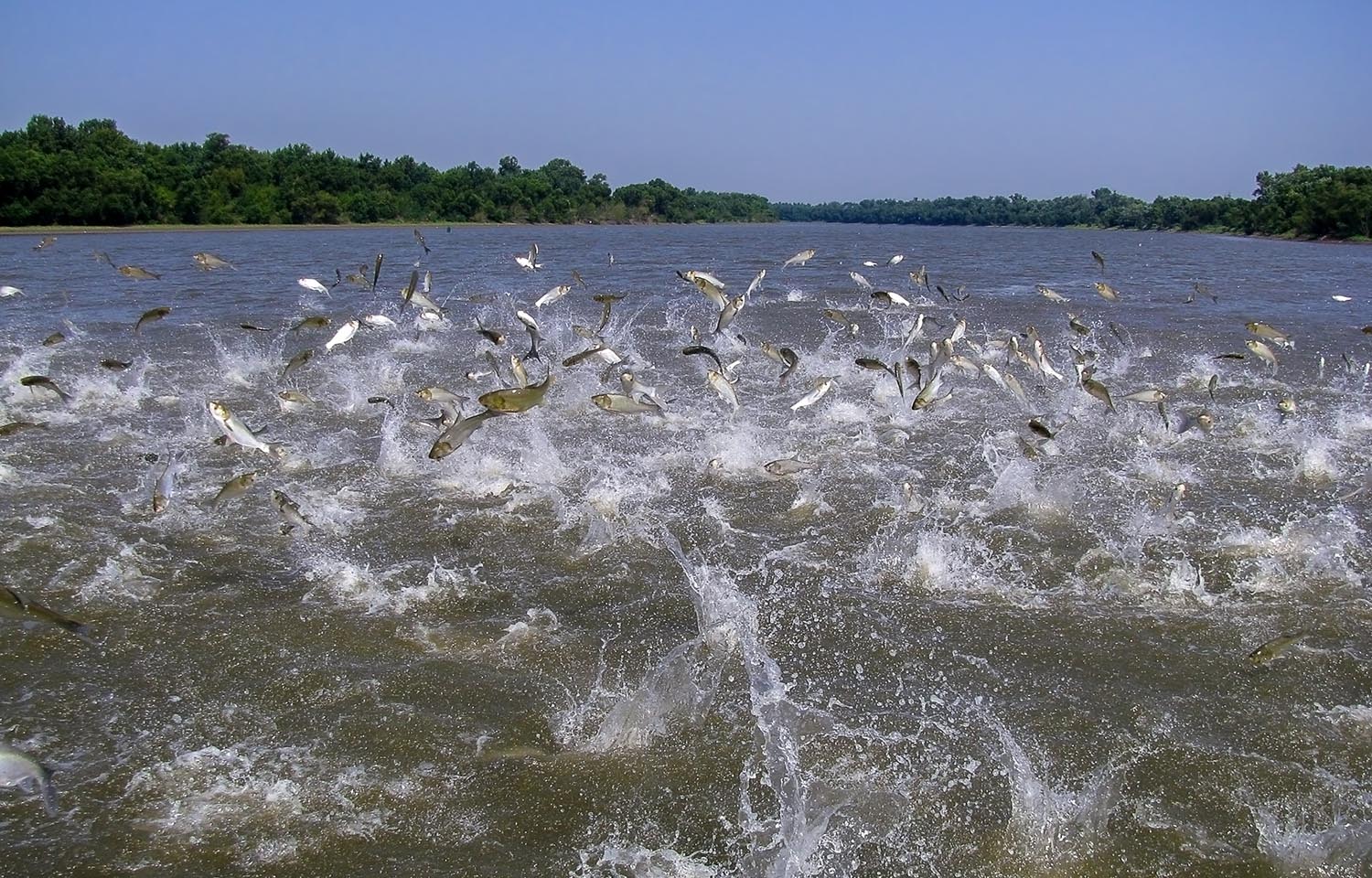
The U.S. state of Illinois has secured a 50-acre parcel of land needed to build the Brandon Road Interbasin Project, a federal project designed to prevent invasive carp from accessing the Great Lakes.
"Invasive carp poses a real economic and environmental threat to one of our region's most valuable resources, the Great Lakes. Completing the Brandon Road Project is one of the most effective ways we can address this threat and protect Illinois' fresh water," U.S. Senator Dick Durbin said in a statement. "After years of advocacy by the Illinois delegation, at both the federal and state levels, today marks a major milestone in the progress of the Brandon Road Project. Acquiring this land will allow the project to move forward and ensure our Great Lakes are protected for generations to come."
First introduced to the United States as a pest controller at aquaculture facilities, Asian carp quickly escaped into America’s waterways. The invasive species outcompete local species and have slowly expanded their habitat north, threatening to enter the Great Lakes and establish a population there. Experts warn that the species would cause ecological damage to the Great Lakes.
To block the invasive fish, the U.S. federal government has partnered with state governments on the Brandon Road Interbasin Project, a complex series of deterrents designed to stop invasive carp at a choke point in Joliet, Illinois.
The project was put on hold in February, however, when the Trump administration froze federal infrastructure funding the state government was expecting. Illinois Governor JB Pritzker paused the project, announcing that he would not purchase a key piece of land until the federal government assured him it would provide promised funding for it.
To get the project moving again, Michigan Governor Gretchen Whitmer traveled to the White House in April to meet with U.S. President Trump. After speaking with Whitmer and other state officials, Trump announced that he backed the project and would devote federal resources to stopping the spread of invasive Asian carp.
“We’ve got to stop it now,” Trump said. “I assume, the lakes are all interconnected, right? So at some point they’re going to be in the other lakes, so we’re going to work hard on that.”
On 9 May, Trump issued a memo directing the federal government “to achieve maximum speed and efficiency” in supporting the project. In the memo, Trump said federal funding was contingent on Illinois securing the needed land by 1 July.
On 23 May, Pritzker announced that the land had been donated by Midwest Generation, which ran the power plant that formerly operated on the land.
"After receiving the necessary assurances from the federal government, my administration acted quickly and formally acquired the land needed for construction,” Pritzker said. “I thank Midwest Generation for their partnership in this project; their generous donation will benefit the Great Lakes region and nation for generations to come."
"The Brandon Road Project is critical in protecting the Great Lakes' exposure to invasive carp, a growing threat to our entire inland waterways system, our nation's economy, and to the countless Illinois communities and businesses that rely on strong and vibrant aquatic ecosystems," U.S. Senator Tammy Duckworth said in announcing the land deal. "We have been working for years to advance this project, and I'm glad to see Governor Pritzker taking necessary action to move construction forward. I'll keep working with federal and state leaders to ensure Brandon Road continues to receive necessary support."
