





The Mississippi Sound Coalition has drafted a 33-page piece of legislation to overhaul management of the Mississippi River basin, and it’s now asking the state’s representation in Congress to take up the bill.
The group said the legislation is necessary in order to address some of the larger challenges facing the river basin, which stretches across 31 states. Issues like the annual Gulf of Mexico “dead zone” and floodwater control affect multiple states, requiring a more holistic approach, they claim.
“This is a national problem that needs a national solution,” Coalition Manager Gerald Blessey said in a release. “The Mississippi River Basin covers 41 percent of the continental United States.”
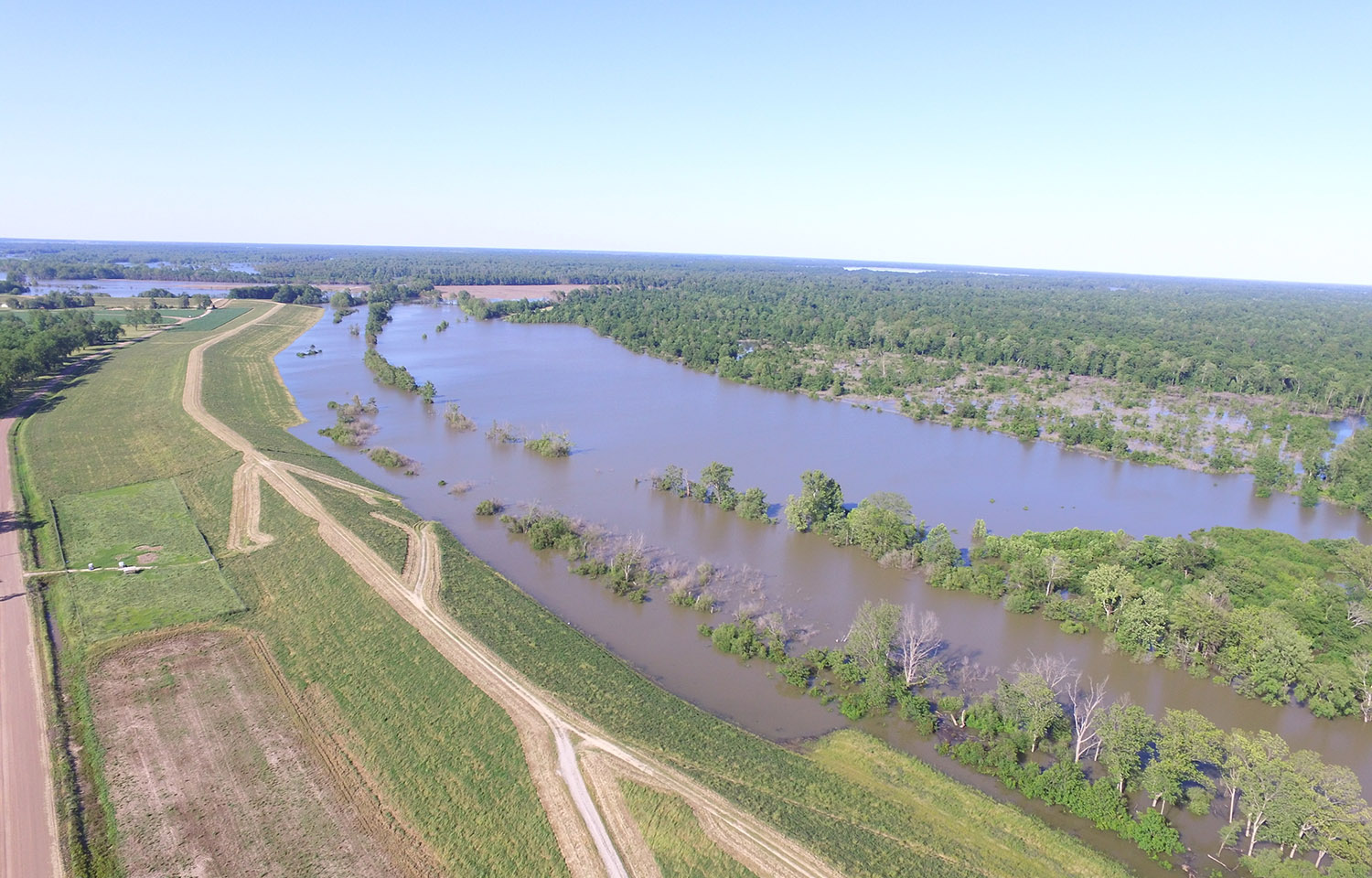
Mississippi commercial fisheries were hard hit in 2019, when the U.S. Army Corps of Engineers decided to open the Bonnet Carré Spillway two times to divert floodwater away from population centers. That decision sent a surge of freshwater into the ocean, with the resultant drop in salinity shocking and killing shrimp, oysters, and other species. Those commercial fisheries are still struggling to recover. The U.S. government has since declared the incident fishery disaster, authorizing USD 88 million (EUR 80.6 million) in financial support to Southern states impacted by the event.
“The openings really crippled the seafood industry,” Commercial Fisheries United Executive Director Ryan Bradley said in the release. “In 2019, the Bonnet Carré opening resulted in a catastrophic federal fishery disaster. We are still dealing with the fallout. The oysters are just now beginning to come back, and another prolonged opening could set us back once again. The number of fishermen and shrimp boats is now at a critically low level.”
Since then, Mississippi communities have looked to secure more protections from spillway operation and ensure their interests are taken into consideration. The Mississippi Sound Coalition claims Northern Gulf Estuary Protection Act would address several issues in basin management, directing resources to pollution in the Mississippi River, changing how flood control decisions are made, and enshrining protections for the river in federal law,
“It redefines flood control as a dual-purpose mission: protect human life/property and safeguard estuarine ecosystems critical to U.S. food security, fisheries, and coastal economies,” Blessey said. “These spillway operations, especially the Bonnet Carré, harm estuaries by reducing salinity, introducing pollutants, and creating hypoxic ‘dead zones.’ This Act is one of many major actions necessary to modernize how we manage this River Basin and save maritime ecosystems in areas like the Mississippi Sound.”
The draft legislation does not have a sponsor in Congress yet, although the coalition is asking members of the Mississippi Congressional delegation to take it up and introduce it in Washington D.C.
Keith Heard, the coalition’s head of governmental affairs, said that the Mississippi congressional delegation is working on arranging a U.S. House Committee public hearing on Mississippi River water and spillways. That hearing could take place before the end of the year, he said.
