






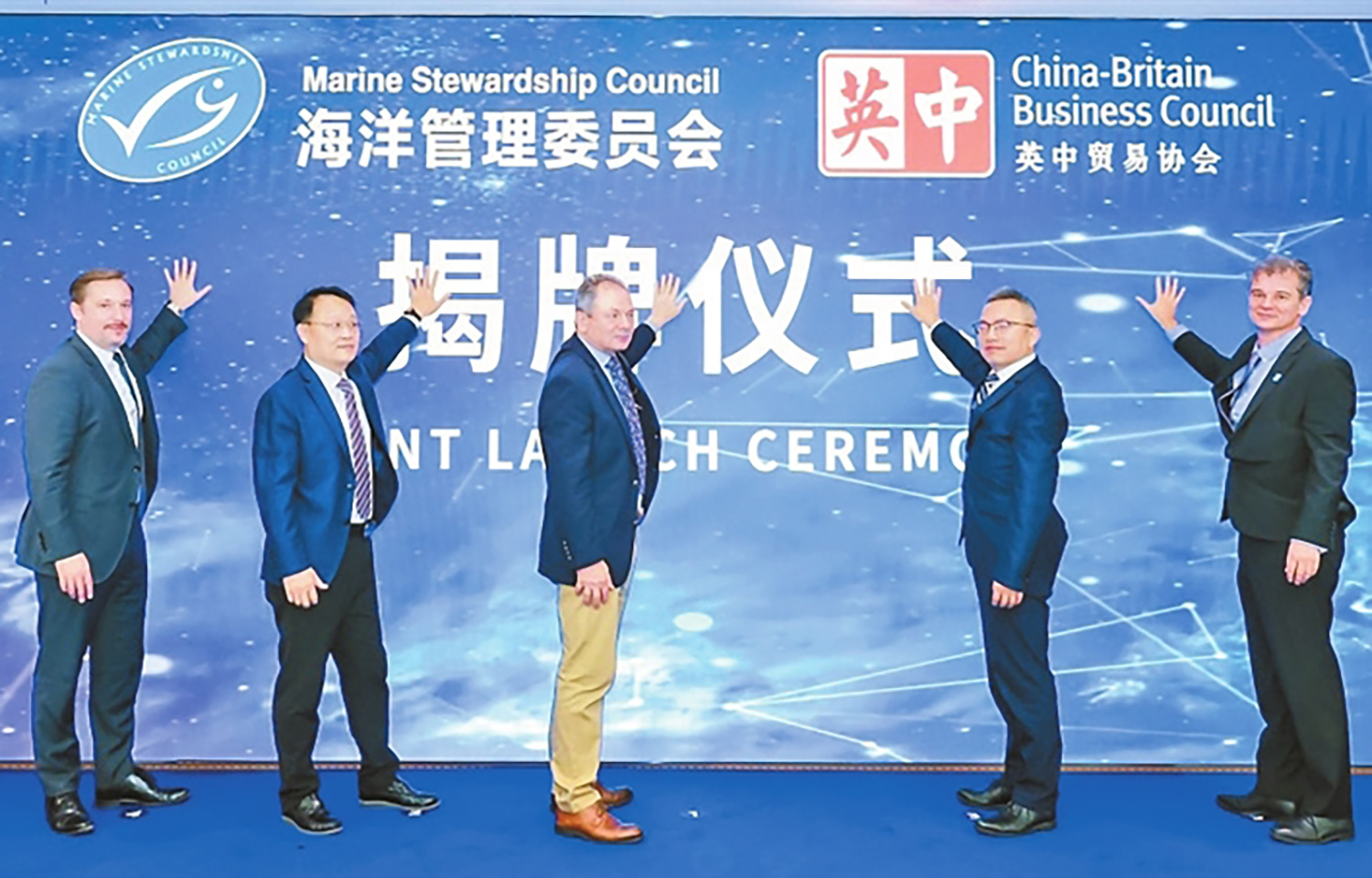
The Marine Stewardship Council (MSC) has opened a second office in China in order to better serve the nation’s large and diverse seafood industry.
The new office is located in Qianhai – a district within the city of Shenzhen, which has been seeking to develop a more robust tuna industry.
Qianhai Authority Director Xie Huihui said the new MSC office will “effectively promote the sustainable development of regional fisheries in line with international standards and inject strong impetus into the high-quality development of Qianhai's marine economy.”
Representatives from the Guangdong Ocean Fisheries Association, China Aquatic Products Circulation and Processing Association (CAPPMA), and China Chain Store Association joined executives from fishery firms at the launch of the new office.
During the launch, Qianhai also released a Sustainable Fisheries and Blue Economy Initiative, providing a roadmap for the region’s fisheries development.
“[The initiative will] build a future for fisheries, promoting resource sharing [while also] advocating regional actions, which will be conducive to jointly promoting cooperation on sustainable development of the ocean,” MSC Asia-Pacific Director Patrick Caleo said.
The MSC added that Qianhai officials “will actively support international organizations and business associations in the marine field to gather in Qianhai and deepen cooperation, build an upstream and downstream industrial ecology for offshore fisheries, create more opportunities in overseas markets such as international fisheries and trade for Chinese marine enterprises, and help Shenzhen build a global marine center city.”
The council’s other China office is based in the nation’s capital of Beijing, which as of last year, was seeing a significant rise in Chinese applications for chain of custody (CoC) certification.
Studies suggest that seafood certifications overall have an opportunity to grow their presence as consumers in the country are willing to pay extra for products certified by authoritative third-party auditors.
“Producers and retailers can address consumer concerns about food safety and environmental impact by investing in transparent supply chains and adopting blockchain technology for traceability,” a report released earlier this year written in collaboration with the Global Seafood Alliance said. “Such measures not only meet consumer demands but also potentially command premium prices in the market.”
The report found that only around 8 percent of consumers surveyed were completely unwilling to pay any premium for certified eco-labeled aquatic foods.
Further, the presence of certification labels positively influences the purchasing intentions for 57 percent of Chinese consumers, 36 percent viewed certification favorably but reported no impact on their purchasing decisions, and only a few participants expressed aversion to certification labels, according to the study.
