



Each winter, the blue crab fishery in the U.S. state of North Carolina closes for the season, but rather than simply heading home to wait until the next season opens, local fishermen turn their attention to what has been left behind.
Since 2014, the state’s Lost Fishing Gear Recovery Project, led by the North Carolina Coastal Federation in partnership with the North Carolina Marine Patrol and the state’s Division of Marine Fisheries, has hired commercial fishermen to remove derelict gear from the state’s waters.
This effort now takes place in two phases: during the annual closure period from 1 to 31 January in North Carolina’s northern waters, and from 1 to 15 March in the south.
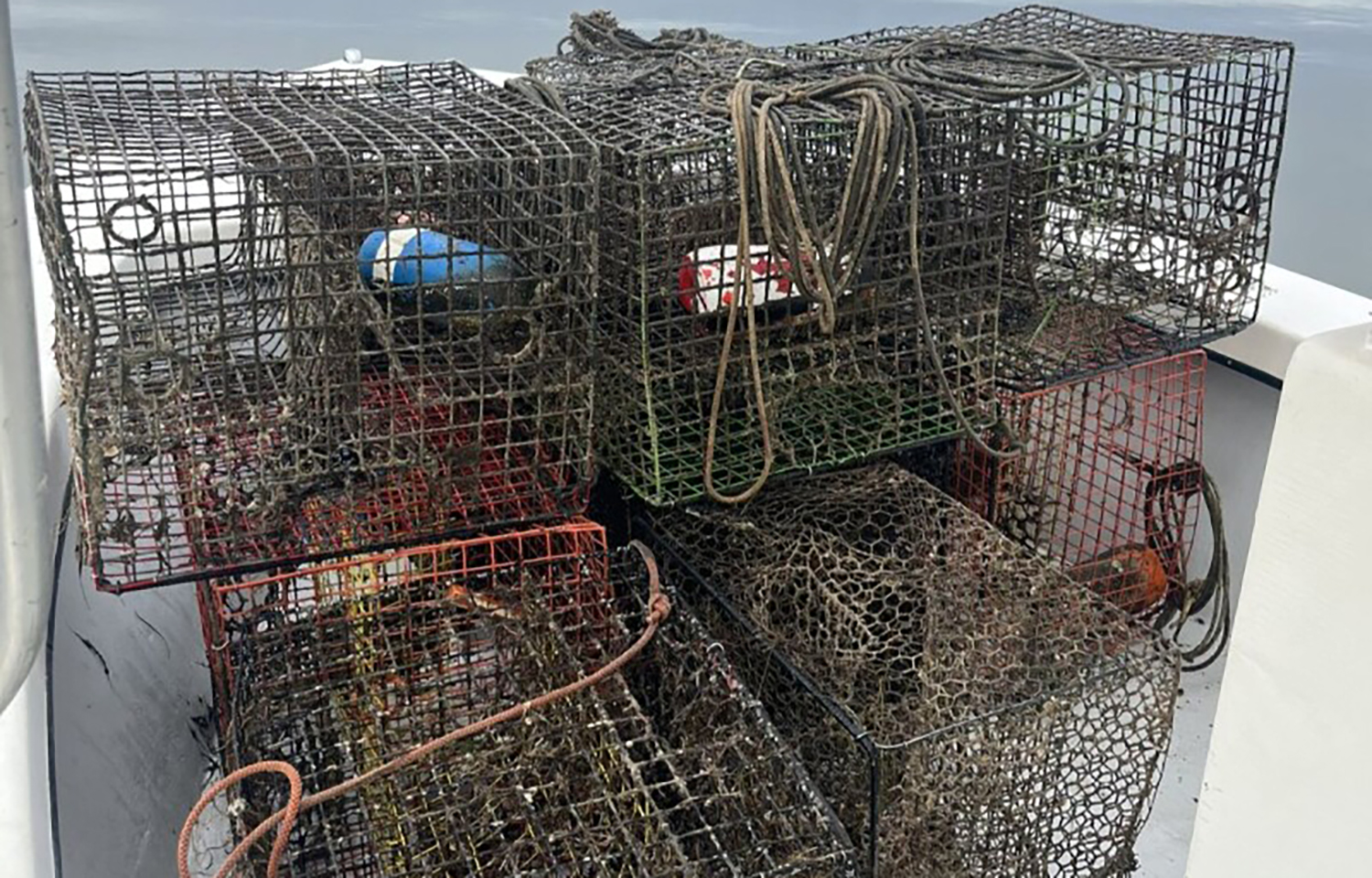
Cleanup efforts that took place earlier this year resulted in 50 fishers collecting 2,136 lost crab pots from sounds and estuaries stretching from North Carolina’s border with its northern neighbor Virginia all the way south to the state’s border with South Carolina.
“This project creates opportunities for work during slower times of the year due to colder waters and what is now a month-long blue crab fishery closure, which is longer than in years past,” the North Carolina Coastal Federation said of the initiative.
The federation has begun recruiting for the upcoming 2026 cleanup effort.
Each boat that participates, which must include at least a captain and a mate, receives USD 600 (EUR 517) per day, and participants must possess a valid North Carolina standard commercial fishing license and have passed a fisheries compliance review.
Once they are approved, they work under a scientific and educational activity permit and become authorized agents to retrieve lost fishing gear, which is an otherwise prohibited activity under state law.
Recovery teams log their findings using tablets equipped with GPS software, recording the location, condition, and bycatch found in each trap.
During the cleanup efforts carried out earlier this year, nearly 500 crab pots were marked with identifiable buoys and returned to their owners during a two-week return period in the state’s northeastern waters alone. This represented a 95 percent return rate, which was the highest in the project’s history. The remaining gear was recycled, with more than 11,600 pounds of steel processed through regional facilities.
In addition to on-water cleanup, eight volunteer shoreline events were organized, engaging 144 volunteers who contributed nearly 700 hours and removed over 2,000 pounds of debris.
