


A new study has found that deep-sea mining operations threaten ocean food chains, potentially impacting valuable fisheries.
The study, led by researchers from the University of Hawai’i, focused on the effects of particle plumes ejected into ocean water by deep-sea mining operations.
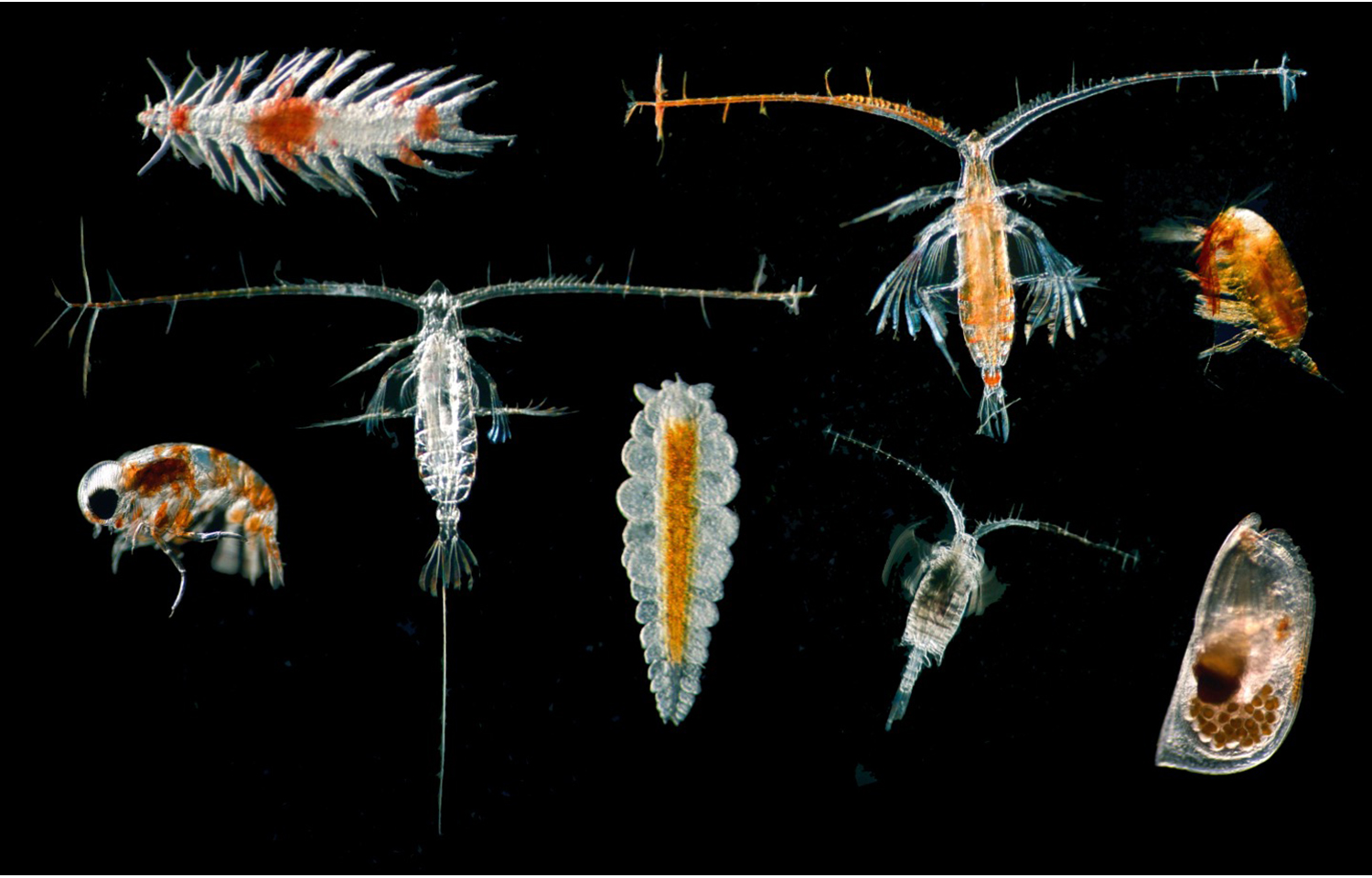
It found that the plumes contaminated the food sources of zooplankton and micronekton, which are the first links in the ocean food chain.
"Deep-sea mining waste could impact fish that land on dinner plates globally,” the researchers said in a press release about the study, adding that this was particularly true for valuable fisheries such as Pacific tuna, which operate in areas where mining operations may soon commercialize.
University of Hawai'i at Mānoa School of Ocean and Earth Science and Technology (SOEST) graduate student Michael Dowd, who is the lead author of the study, likened the deep-sea mining particle plume to “junk food” being added to the “nutritious, natural food particles usually consumed by tiny, drifting zooplankton.”
“When the waste released by mining activity enters the ocean, it creates water as murky as the mud-filled Mississippi River,” he said. “Micronekton, small shrimp, fish, and other animals that swim feed on zooplankton. Some migrate between the depths and near-surface waters, and they are consumed by fish, seabirds, and marine mammals. Zooplankton’s exposure to junk food sediment has the potential to disrupt the entire food web.”
The study specifically examined the contents of mining waste produced during a 2022 trial in the Clarion–Clipperton Zone (CCZ), a biodiversity hot spot in the Pacific Ocean that is officially under the authority of the International Seabed Authority (ISA).
The ISA was given authority over seabed mining in international waters by a 1994 treaty that was ratified by 169 United Nations members countries, including all major coastal economies except the U.S.
Earlier this year, The Metals Company (TMC) and the administration of U.S. President Donald Trump partnered to defy the ISA by setting out to commercialize mining efforts in the CCZ, resulting in the outcry of numerous national leaders and ISA members.
In the wake of these commercialization efforts, SOEST Earth Sciences Professor Brian Popp, who is a co-author on the recent study, said that the moment to curtail mining is now.
“Deep-sea mining has not yet begun at a commercial scale, so this is our chance to make informed decisions. If we don’t understand what’s at stake in the midwater, we risk harming ecosystems we’re only just beginning to study,” he said.
The University of Hawai'i study adds to a growing body of research focused on the implications of deep-sea mining on Pacific tuna fisheries.
It also lends credence to concerns expressed by various seafood industry stakeholders, including in an open letter authored by the Pew Charitable Trust and co-signed by a number of fishery organizations that discussed the “potential impacts of deep-sea mining on the health and resilience of the ocean and the consequences it might bring in terms of the quality and quantity of seafood supply and the communities they support.”
