


U.S. federal lawmakers have reintroduced a bill to reauthorize and strengthen the Harmful Algal Bloom and Hypoxia Research and Control Act (HABHRCA), legislation that created an interagency task force to coordinate state and federal responses to harmful algal blooms (HAB).
“The scale and frequency of harmful algal blooms and hypoxia events continue to increase with climate change, damaging beloved places, harming fisheries central to coastal economies, affecting tourism, and threatening public and ecosystem health,” U.S. Rep. Suzanne Bonamici, one of the sponsors of the Harmful Algal Bloom and Hypoxia Research and Control Amendments Act of 2025, said in a statement. “This legislation will empower coastal and freshwater communities to better monitor these disastrous events and leverage research to mitigate and prevent their worst effects.”
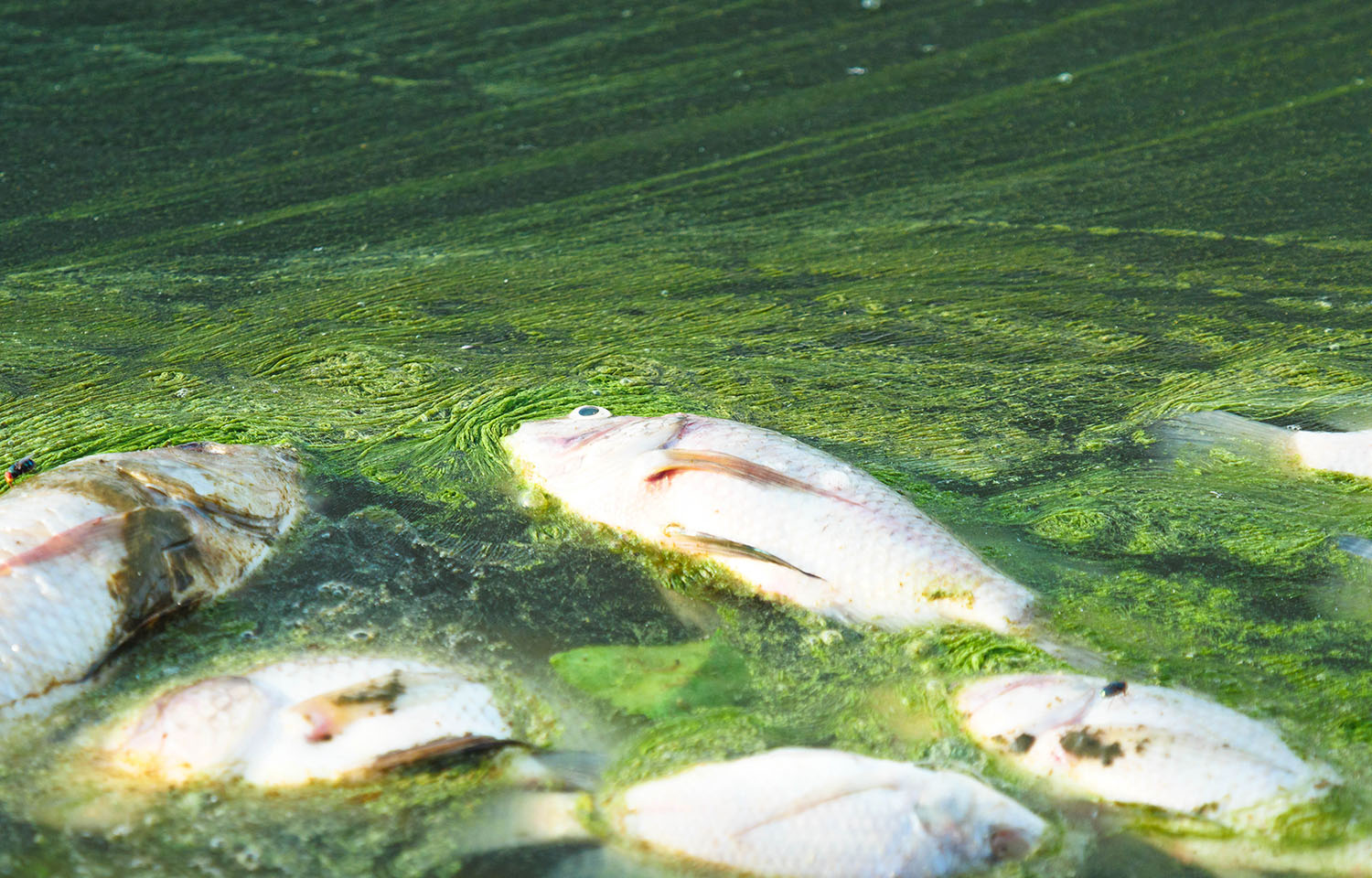
Algal blooms can severely reduce oxygen levels in water, leading to fish-killing hypoxia. Blooms can occur in all 50 states, including an annual “dead zone” in the Gulf of Mexico and a 2022 bloom in Alaska’s Bering Strait.
“Unchecked harmful algal blooms can threaten our marine life and coastal ecosystems, the livelihoods of our commercial fisheries and coastal communities, and the health and well-being of Alaskans,” U.S. Senator Dan Sullivan (R-Alaska) said in a statement. “Alaska is our country’s leading seafood producer and home to more coastline than the contiguous lower 48 states combined, making our response to HABs critically important. This legislation develops and coordinates effective responses to harmful algal blooms and will improve the monitoring of the health of our oceans for the sake of coastal communities, especially those that rely on subsistence. I want to thank Representatives Joyce and Bonamici, as well as our crucial Alaska stakeholders, for working with me to support the health of our marine ecosystems in Alaska and nationwide.”
Originally passed in 1998, HABHRCA has been reauthorized multiple times, but is currently due for another reauthorization.
“HABs are a novel danger to food security and food safety for people that rely on the comprehensive use of Arctic marine ecosystems for their nutritional, cultural, and economic well-being,” Alaska Sea Grant Marine Advisory Program Agency Gay Sheffield said in a statement endorsing the new bill. “HABs create serious conservation concerns for Arctic marine wildlife that rely on a healthy food web. The revised HABARCA includes Arctic marine ecosystems and the people that rely on them – we hope it is reauthorized ASAP!”
The Senate Committee on Commerce, Science, and Transportation approved the legislation in a voice vote on 5 February, along with the Illegal Red Snapper and Tuna Enforcement Act. A hearing on the bill has not been scheduled by the House Committee on Science, Space, and Technology as of yet.
