



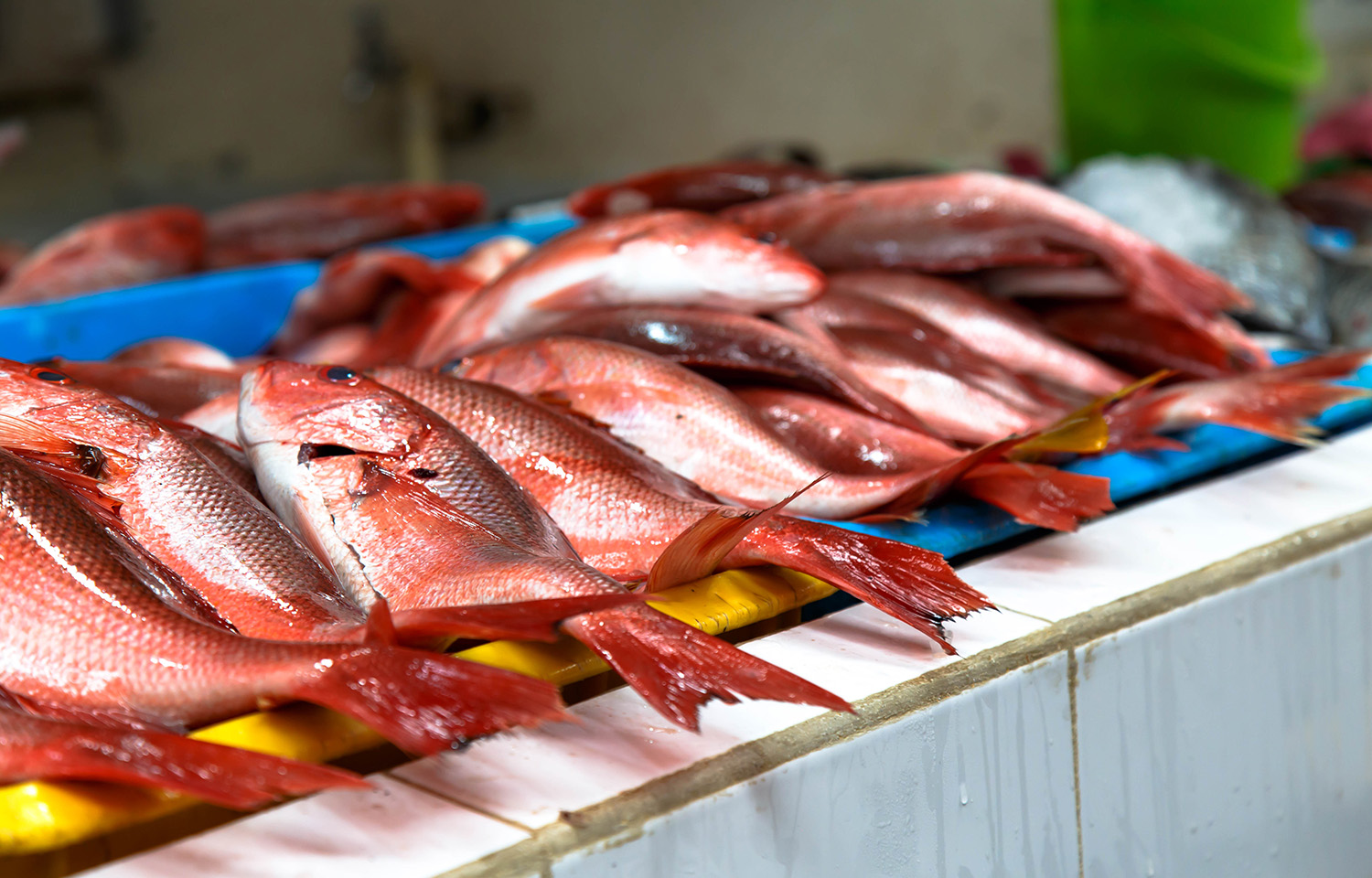
The U.S. Department of the Treasury has sanctioned five Mexican individuals allegedly associated with the Gulf Cartel, accusing them of ties to illegal red snapper fishing in the Gulf of Mexico.
The U.S. government claims the Gulf Cartel – a powerful drug-trafficking organization operating out of Mexico that has been accused of smuggling weapons and kidnapping American citizens – facilitates the illegal harvest and sale of red snapper and sharks in the Gulf of Mexico. The cartel operates out of Playa Bagdad, a beach located just south of the U.S. border in Texas.
Mexican fishermen use light, fast-moving boats called “lanchas” to cross into U.S. waters and harvest red snapper, returning across the border to Mexico where the fish are sold and oftentimes exported back to the U.S., according to the department.
“Today’s action highlights how transnational criminal organizations like the Gulf Cartel rely on a variety of illicit schemes like illegal, unreported, and unregulated fishing to fund their operations, along with narcotics trafficking and human smuggling,” Acting Undersecretary for Terrorism and Financial Intelligence Bradley Smith said in a statement. “Treasury, as part of a whole-of-government approach to combatting transnational criminal organizations, remains committed to disrupting these networks and restricting these groups’ ability to profit from these activities.”
The sanctions target Ismael Guerra Salinas and his brother Omar Guerra Salinas, who oversee the cartel’s illegal fishing operations from Playa Bagdad, according to the U.S. government. The department claims the brothers are also involved with smuggling humans and trafficking drugs.
The other three individuals sanctioned are Francisco Javier Sierra Angulo, who the Department of the Treasury claims leads the Gulf Cartel in Matamoros, Tamaulipas, Mexico, and Raul Decuir Garcia and Ildelfonso Carrillo Sapien, who are “lancha camp owners who oversee and enable lancha fishermen crossing into U.S. waters for or on behalf of the Gulf Cartel.”
“As a result of today’s action, all property and interests in property of the designated persons described above that are in the United States or in the possession or control of U.S. persons are blocked and must be reported to [the U.S. Department of the Treasury’s Office of Foreign Assets Control],” the department said in a statement. “In addition, any entities that are owned, directly or indirectly, individually or in the aggregate, 50 percent or more, by one or more blocked persons are also blocked.”
The Treasury Department claims the Gulf Cartel rakes in millions of dollars from its illegal red snapper fishing operations.
The sanctions come amid growing frustration from commercial and recreational red snapper fishers over lowered catch limits and shortened seasons implemented by NOAA Fisheries to reduce overfishing. Fishers dispute the government’s official population estimates for red snappers, claiming the species is far more abundant than regulators say.
While NOAA Fisheries is considering further restrictions to address overfishing concerns, federal lawmakers have introduced legislation to block NOAA Fisheries from closing red snapper fisheries until the completion of the Great Red Snapper Count, an independent study commissioned to contest the government’s official stock assessment.
