



[CORRECTION: This story has been updated to reflect that this lawsuit concerns Pacific steelhead and is seperate from Wild Fish Conservancy's petition for ESA protections for Alaska Chinook salmon.]
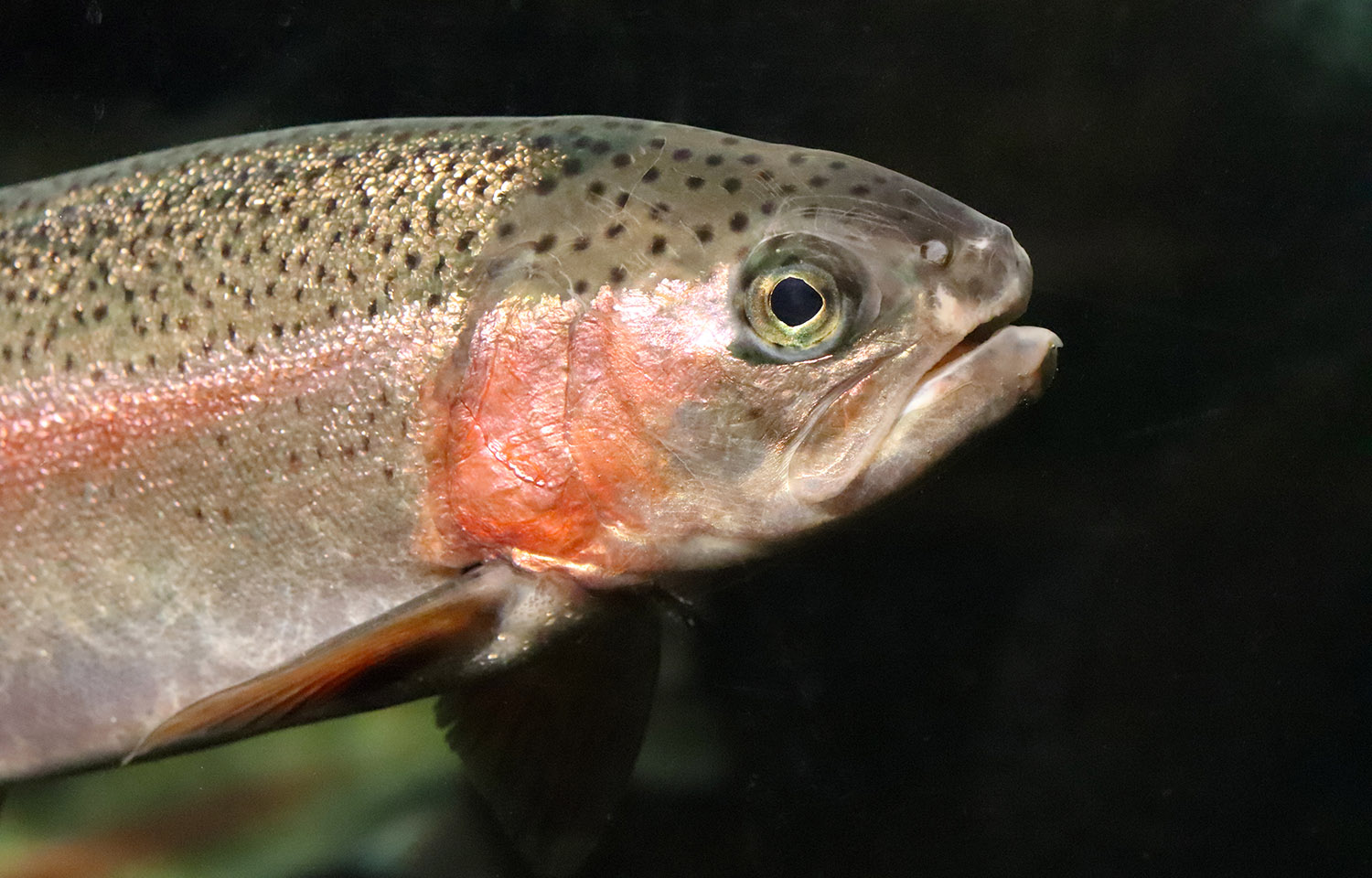
A U.S. district court has affirmed a deadline for NOAA Fisheries to release a decision on whether Olympic Peninsula steelhead in Washington state should be protected under the Endangered Species Act (ESA) after the agency ignored its original 12-month deadline.
Duvall, Washington, U.S.A.-based nonprofit conservation group Wild Fish Conservancy (WFC) first petitioned NOAA Fisheries in August 2022, arguing that the "summer-run component is nearly extinct, and the winter-run component is declining." While NOAA acknowledged in 2023 that the species may warrant ESA protections, the agency has yet to issue a determination. NOAA Fisheries is required to respond to ESA petitions within 12 months, but the agency blew past the deadline without announcing any determination.
“The ESA includes mandatory deadlines for a reason, and Olympic Peninsula steelhead do not have time for further delay,” WFC Executive Director Emma Helverson said. “Because the best available scientific data supports listing these fish, NMFS should immediately issue its listing determination.”
On 30 June, the U.S. District Court for the Western District of Washington affirmed an agreement between NOAA Fisheries and the two petitioners setting a due date for an ESA determination by 1 December 2025.
WFC also has a petition asking the government to list Alaska Chinook salmon under the ESA due to “the severe decline and poor condition of Chinook populations” in the state. Among other challenges, WFC lists mixed-stock commercial fishing, industrial trawling bycatch, and competition from hatchery-raised fish as contributors to the species’ decline. In February 2025, WFC announced its intention to sue NOAA Fisheries.
“It should not take a lawsuit to make the federal government uphold its legal responsibility, but with the crisis facing Alaskan Chinook, we are out of time and options,” Helverson. “The ESA sets clear deadlines for a reason – to evaluate the risk of extinction and trigger action while recovery is still possible. By ignoring those deadlines, NOAA isn’t just breaking the law, it’s perpetuating the collapse of Alaskan Chinook and threatening the ecosystems and communities that depend on them.”
WFC has attempted to stop commercial Chinook salmon fishing in the past; a WFC lawsuit nearly led to the closure of the Southeast Alaska's commercial Chinook salmon fishery in 2023. An appeals court ultimately allowed commercial salmon fishing to continue while NOAA Fisheries corrected its documentation.
WFC’s pursuit of ESA protections has again angered commercial fishing groups in Alaska, who claim WFC’s original petition contains multiple errors.
“Southeast Alaska trollers remain one of the strongest advocates for the health and proper management of Alaska Chinook because of how they support our way of life,” Alaska Trollers Association Executive Director Amy Daugherty said in a statement. “Just as we did when WFC attempted to shut down the Southeast Alaska troll fishery in litigation that spanned 2020 to 2024, we will take necessary legal action to defend ourselves from WFC’s agenda.”
In preparing the lawsuit, WFC said NOAA Fisheries’ failure to meet deadlines on ESA petitions was a sign of "systemic dysfunction within the agency."
Another agreement between NOAA Fisheries and conservation groups regarding ESA determinations was recently affirmed by a court, as well.
Days earlier, the U.S. District Court of Oregon approved an agreement between the agency and four conservation groups – the Center for Biological Diversity, the Native Fish Society, Pacific Waters, and Umpqua Watershed – setting deadlines for ESA determinations on Oregon Coast and Southern Oregon/Northern California coastal Chinook and Washington coast spring-run Chinook.
“This agreement requires a decision that is already overdue,” Pacific Rivers Chair Michael Morrison said in a statement. “Science and law are crystal clear. These unique and endangered salmon urgently need and deserve protection.”
The agreement set a deadline of 3 November 2025 for a determination on Oregon Coast and Southern Oregon/Northern California coastal Chinook and a deadline of 2 January 2026 for a determination on Washington coast spring-run Chinook.
