



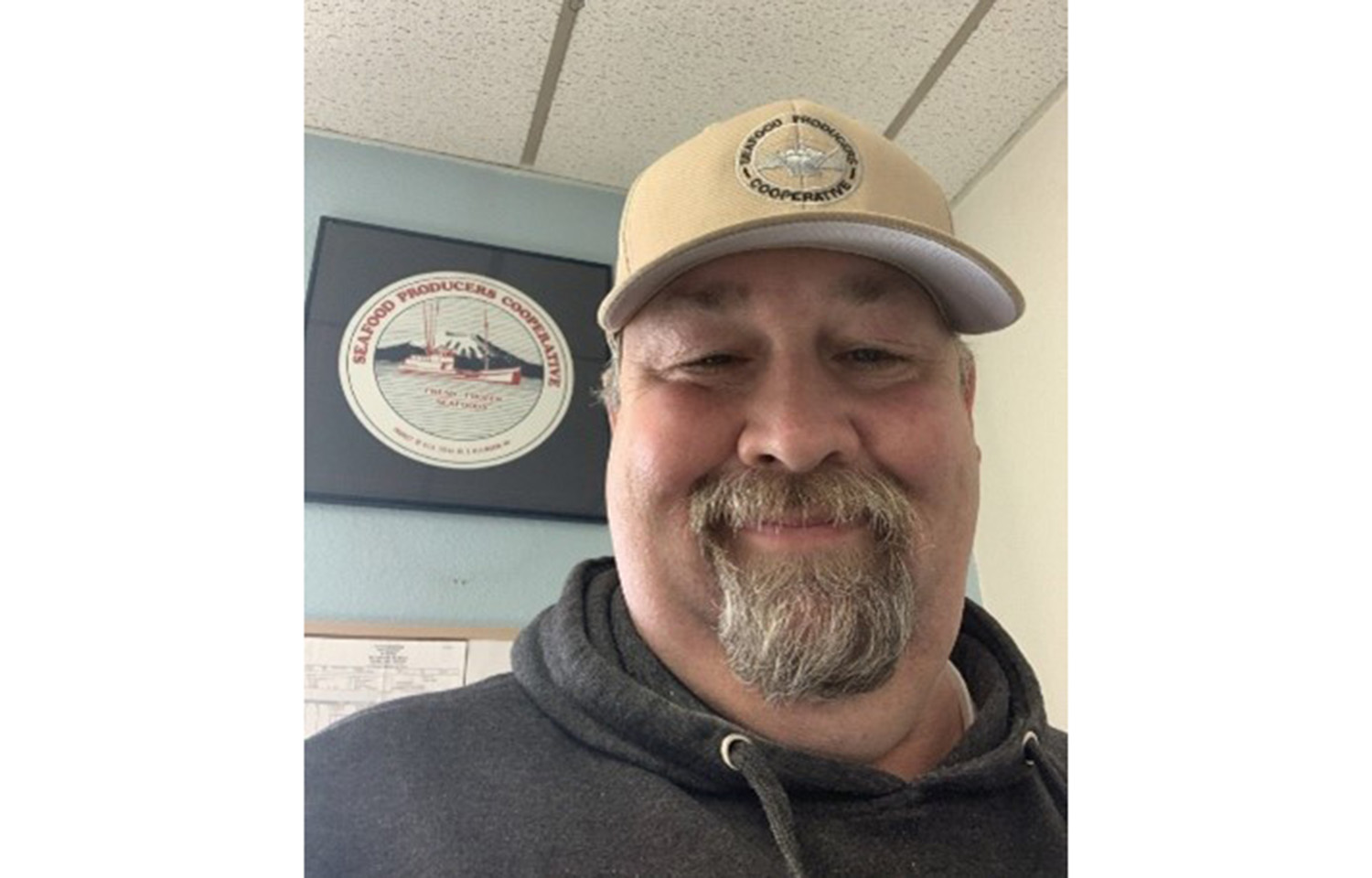
Norman Pillen is the president of the Sitka, Alaska, U.S.A.-based Seafood Producers Cooperative and a lifelong commercial fisherman in Alaska. He has owned and operated longliners, trollers (including frozen at sea), and tenders as a captain in locations spanning from Southeast Alaska to Dutch Harbor and has been a member of the cooperative for 40 years.
On behalf of the nearly 400 members of the Seafood Producers Cooperative who are very dependent on the wild Chinook fishery for a large part of their livelihoods, and as such, are very supportive of conservation efforts regarding Chinook, I would like to respond to the recent news of another attempt by the Wild Fish Conservancy (WFC) – in their typical fashion of accusations and demands via litigation – to sue the National Marine Fisheries Service (NMFS) for not listing Alaska wild king salmon stocks under the Endangered Species Act, which the WFC, in their opinion, feels is necessary.
Alaska possesses a larger coastline than all other states combined – over 33,000 miles – with 19,000 rivers and streams that salmon spawn in. To undertake a scientific study that identifies the Chinook returns to these spawning areas is a huge task, and to complete this with any degree of accuracy could take years. With NOAA currently facing major budget reductions, it is likely that NMFS will be even more challenged in their ability to conduct the studies to determine whether a Chinook ESA listing is warranted or not in a time frame that satisfies the WFC.
While there are certainly challenges with Chinook returns in Alaska in certain areas, especially in the western regions, there is no mention of the fact in the WFC’s ESA petition that of the seven stocks of concern (SOCs) listed in Southeast Alaska since 2017, four of those SOCs have recently been delisted, showing that, indeed, recovery of Chinook in those systems is taking place due to in-season management controls of harvest by commercial, sport, and subsistence groups, effectively reflecting that the Alaska Department of Fish and Game is responding to the concerns regarding Chinook abundance.
WFC’s continuing failure to both recognize that the issues with Chinook stocks are identified, that there has been some success in addressing those concerns, and that conservation work is supported and continuing – or the fact that including all areas of Alaska and tying them into one group with an ESA listing when clearly some areas are showing recovery – creates unnecessary burdens on those dependent on the resource both financially and for food security.
The latest effort remains, in our opinion, a clear statement that the WFC is focused more on litigation and funding than protection of Chinook or the people this resource sustains.
