



The UNESCO World Heritage Committee will continue to feature part of the Gulf of California on its World Heritage in Danger list due to ongoing concerns about the critically endangered vaquita, despite government efforts to better protect the species.
“A few years ago, Mexico accepted the inclusion of a site on the list of properties in danger in order to improve the conservation activities,” the Mexican government’s representative at the 47th Session of the World Heritage Convention, which is being held in Paris, France, from 6 to 16 July, said. “Now, the future of conservation and of this committee depends on their efforts, not just when it comes to listing new sites but also conserving those already on the list. So, we must continue to work in close cooperation and dialogue with the advisory bodies and the secretariat.”
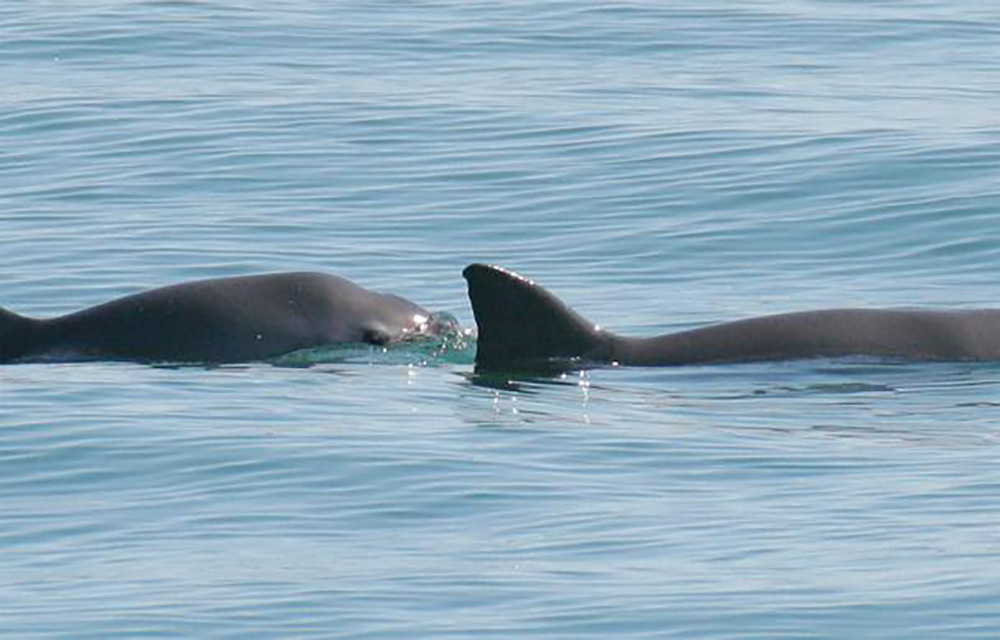
The upper Gulf of California is home to the vaquita, an extremely rare porpoise. With fewer than 10 individuals estimated to remain, UNESCO first included the area on the List of World Heritage in Danger in 2019.
In 2023, an action plan was outlined to help the species recover and achieve a desired conservation status, which includes “the establishment of sustainable fisheries; an increase in the vaquita population for at least five years; the protection of the property from illegal fishing activities; that the Vaquita Refuge Area and the Biosphere Reserve of the Upper Gulf of California and Colorado River Delta (marine portion) are free of illegal fishing gear; and the systematic operation of international cooperation to combat illegal totoaba fishing and trafficking.”
In January 2025, the Mexican government declared that it had completed the goals listed in that 2023 plan, citing increased inspections, the growing adoption of alternative gear, and the development of a remote monitoring system among its actions to better protect vaquita.
“The protection of biodiversity in the [Upper Gulf of California], which includes the vaquita marina and the totoaba, symbolizes Mexico's commitment to environmental conservation and international compliance,” the Mexican National Commission for Aquaculture and Fisheries (Conapesca) said in a statement.
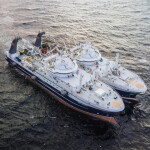
The Mexican Navy has partnered with the Sea Shepherd Conservation Society, a conservation nonprofit, on enforcing vaquita protections in the Northern Gulf of California, with the group using its vessels and surveillance drones to detect illegal fishing operations and remove gillnets from the ocean.
Despite those actions, researchers still estimate just six to eight vaquita remain in the wild.
On 10 July, the World Heritage Committee decided to keep the Gulf of California on its List of World Heritage in Danger due to ongoing concerns about the possible extinction of the vaquita.
In a statement, the Center for Biological Diversity (CBD) said the decision aligned with several of its petitions for protecting natural resources, including the critically endangered vaquita.
“These votes are a wake-up call to the world that we need bold, immediate action to save these treasured sites,” CBD Mexico Representative Alejandro Olivera said in a release. “The world’s most iconic species need protections now – from the last few vaquitas clinging to survival in the Gulf of California to monarchs searching for shrinking winter forests. UNESCO has drawn the roadmap, and now, governments must supply the political will, resources, and enforcement to turn these decisions into life-saving reality. Once these species and spectacular places are lost, they’re gone for good.”
