






The Indonesian government has confirmed traces of radioactive Cesium-137 (Cs-137) detected in shrimp products were linked to a steel factory in an industrial zone in Banten province, but said the incident has not affected the integrity of the country’s seafood supply chain or exports.
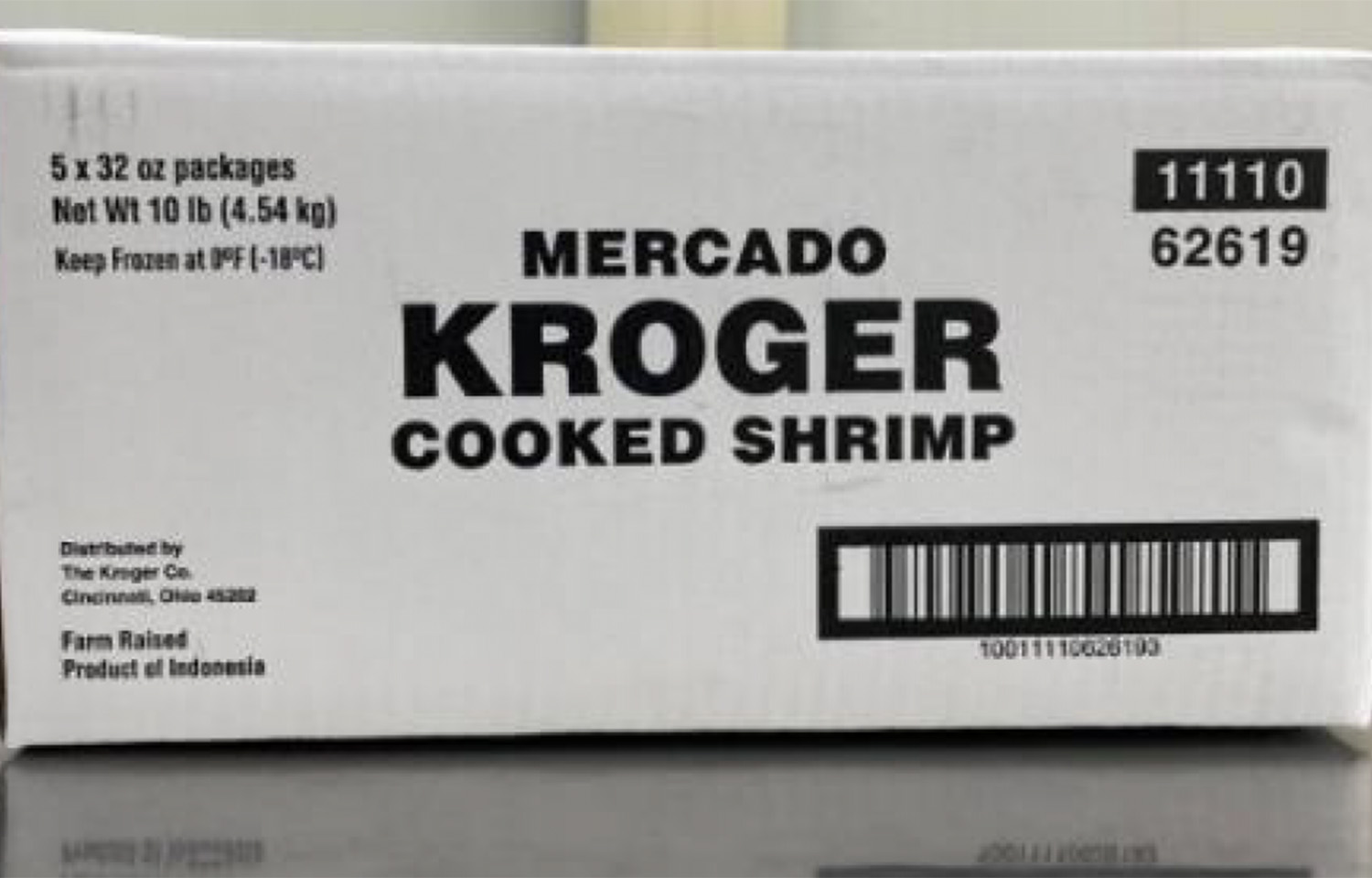
The U.S. Food and Drug Administration first issued an advisory that it detected Cs-137 in a shipping container at the ports of Los Angeles, Houston, Savannah, and Miami in August. Imported shrimp, processed by Indonesia-based PT. Bahari Makmur Sejati, was inside the containers, leading to initial recalls as radiation was detected in both the shrimp packaging, and in the shipping containers.
That initial detection was followed by a string of frozen shrimp recalls in the U.S., all linked to PT. Bahari. In early September the Associated Press reported the recalls were likely related to an industrial site near the company’s processing facility.
Senior adviser to the Ministry for Food Affairs Bara Khrishna Hasibuan said an initial probe has confirmed that report and traced the Cs-137 contamination to PT Peter Metal Technology (PMT), a steelmaker that uses imported scrap metal. He said the radioactive material was likely dispersed through airborne transmission and contaminated the shrimp packaging facility owned by PT Bahari Makmur Sejati (BMS), which is located less than two kilometers from the steel plant.
Indonesia Coordinating Minister for Food Affairs Zulkifli Hasan, who also heads the government task force on Cs-137 radiation hazards, told a press conference on 30 September that the Cikande industrial estate in Serang Regency – the area PMT is located in – has been designated a serious incident zone to enable containment and decontamination measures, Indonesian News Agency ANTARA reported. Hasan said the designation would allow authorities to move quickly on containment and decontamination efforts, while stressing that Indonesia’s seafood safety and export control systems remain intact and compliant with international standards.
Authorities in Jakarta have since ordered 14 containers of contaminated scrap metal to be re-exported from Tanjung Priok Port, and said nine more containers originating from the Philippines would also be returned.
“If those containers were used to ship shrimp, the shrimp could be contaminated. And if they’re reused for other goods, that’s dangerous,” Hasan said.
Hasan said that the government is coordinating closely with the U.S. and the International Atomic Energy Agency (IAEA) to ensure transparency and maintain confidence in Indonesian seafood exports.
In early September, Indonesian Trade Minister Budi Santoso said the discovery of radioactive Cs-137 in frozen shrimp products would not affect the country’s shrimp exports to the U.S., ANTARA reported.
The U.S. was the largest destination for shrimp from Indonesia, with the country buying up 80,415 metric tons (MT) in the first seven months, up 11 percent year-on-year. It was followed by Japan with 18,815 MT, China with 7,285 MT, the E.U. with 5,863 MT and Canada with 2,565 MT, according to data from Shrimp Insights.
