





In late August, the U.S. Food and Drug Administration (FDA) issued an import alert on frozen breaded shrimp from Indonesia due to the presence of radioactive isotope Cesium-137 (Cs-137).
That alert has since wreaked havoc on some U.S. importers, processors, and retailers.
The FDA issued the alert after U.S. Customs and Border Protection (CBP) identified Cs-137 in shipping containers at multiple U.S. ports.
The shipments in question were stopped from entering the U.S., and a subsequent investigation found evidence of Cs-137 in just one shipment of breaded shrimp.
Cs-137 is a byproduct of nuclear fission or weapons testing and has been found in elevated concentrations in areas where nuclear accidents have occurred, such as Chernobyl, Ukraine, and Fukushima, Japan. In this case, Cs-137 was detected possibly due to “activities” at a metal melting facility near a shrimp-processing plant in Jakarta, Indonesia, operated by PT. Bahari Makmur Sejati, which produced the shrimp in question and conducts business as BMS Foods.
The levels of Cs-137 found in the affected shipment were lower than the FDA’s level for required intervention – a benchmark regulators use to identify a radiation contamination emergency. However, the FDA said that the alert was still necessary to protect the public from potential repeated exposure.
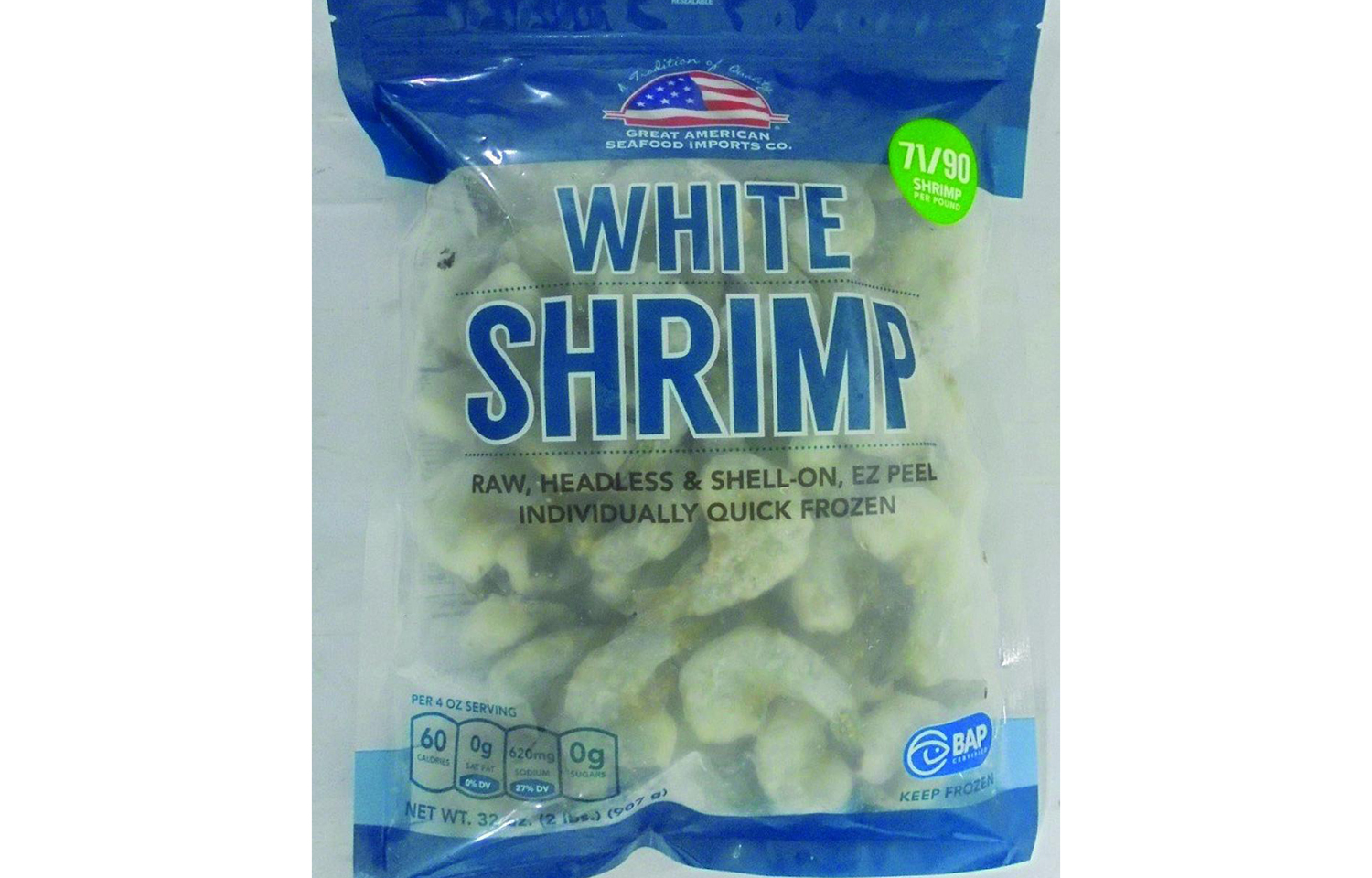
This quickly resulted in the recall of significant quantities of shrimp under Walmart’s “Great Value” brand and Kroger’s “Mercado” brand, as well as other recalls.
The FDA then issued an alert stopping all shrimp products produced by BMS from entering the U.S. until an investigation can determine that the causes of the contamination have been dealt with, including shrimp from BMS’s plant in Sumatra, which is more than 1,000 miles away from Jakarta.
This decision has resulted in unfulfilled orders and backlogs.
“I understand the FDA is doing everything to protect U.S. citizens, but the way they are keeping BMS in limbo could put the company out of business,” Eric Bloom, the president and COO of Teaneck, New Jersey, U.S.A.-based shrimp importer Eastern Fish Company, said.
Bloom told SeafoodSource that he has worked with BMS for years and the owners are “good citizens.”
Due to the alert, some containers of shrimp from BMS that Eastern Fish was planning to import to the U.S. are now on hold, and several have been fully turned away, according to Bloom, who said that FDA investigators tested 20 different samples – including one from Eastern Fish – and found no detectable levels of Cs-137.
“I’m going to have to find replacements. It does cause some supply interruptions,” Bloom said, adding that the shrimp that was refused entry was purchased prior to recent increases in shrimp prices, resulting in Eastern Fish likely having to pay more to replenish its supply.
Though importers like Bloom are concerned about the trade disruptions that have resulted from the alert, others are using the issue to highlight the safety and contamination issues they claim are rife in many shipments of imported shrimp.
For instance, U.S. Senator John Kennedy (R-Louisiana) made a series of remarks on the U.S. Senate floor that claimed people who ate raw frozen shrimp sent to the U.S. by other countries could end up looking like the alien from the movie “Alien.”
Additionally, U.S. Secretary of Health and Human Services Robert F. Kennedy Jr. said the recall was evidence that Southeast Asian nations are dumping shrimp in the U.S.
“We just stopped a shipment that was contaminated with Cesium-137, which is radioactive,” Kennedy said in late August. “They’re farming these shrimp, and they use bactericides and antibiotics and all kinds of chemicals, and the shrimp are so contaminated the European nations won’t take them. So, they’re dumping them all here.”
Regardless, National Fisheries Institute (NFI) Chief Strategy Officer Gavin Gibbons told SeafoodSource that NFI is “pleased to see FDA and CBP working to investigate this anomaly” but emphasized that no product that has tested positive for Cs-137 has entered U.S. commerce.
Gibbons further explained that the amount of radiation found is more than 17 times lower than the level FDA would normally act on.
“But, out of an abundance of caution, they chose to take the steps we are seeing now,” Gibbons said.
NFI is now working with regulators and experts to “ensure our members have the information and resources they need to understand and communicate accurately about this issue,” Gibbons said.
“We’ve seen all sorts of messaging in the market, and it’s important that anyone who’s explaining this issue has facts and an accurate perspective,” he said. “Our members take food safety very seriously, but they also know the impact of unnecessary hyperbole.”
