






Nearly 30 years ago, Joshua Scherz watched as the U.S.’s sardine canneries – once numbering in the hundreds across multiple states – began to shut down for good.
He then had an idea that shaped his future.
As an undergrad economics major at the University of California Santa Cruz – located on the coast of California’s Monterey Bay – he saw firsthand the remains of the sardine industry along Cannery Row in Monterey. Originally from the U.S. Northeast, he also saw sardine canneries in the U.S. state of Maine starting to close down.
Nevertheless, while in school, he was also paying attention to the growing organic food and sustainability movement in the U.S. and soon realized it was an industry he had an interest in pursuing.
Mass closures and an economic downturn in an industry tends to be a signal to avoid that industry altogether, but Scherz said for him it was a signal that there was an opportunity.
“I’m an eternal optimist. I see opportunity where others don’t; I’m also contrarian if you will,” he said. “I was an economist in training, so I saw that it could work. It just didn’t work.”
Scherz said he began to look for opportunities domestically with sardine canneries in the U.S., but even in the 1990s, the inevitable demise of the industry was already unstoppable, he said, and it was beginning to happen elsewhere.
“I saw that this was an iterative process that was happening globally, but there was still an opportunity to change that,” he said.
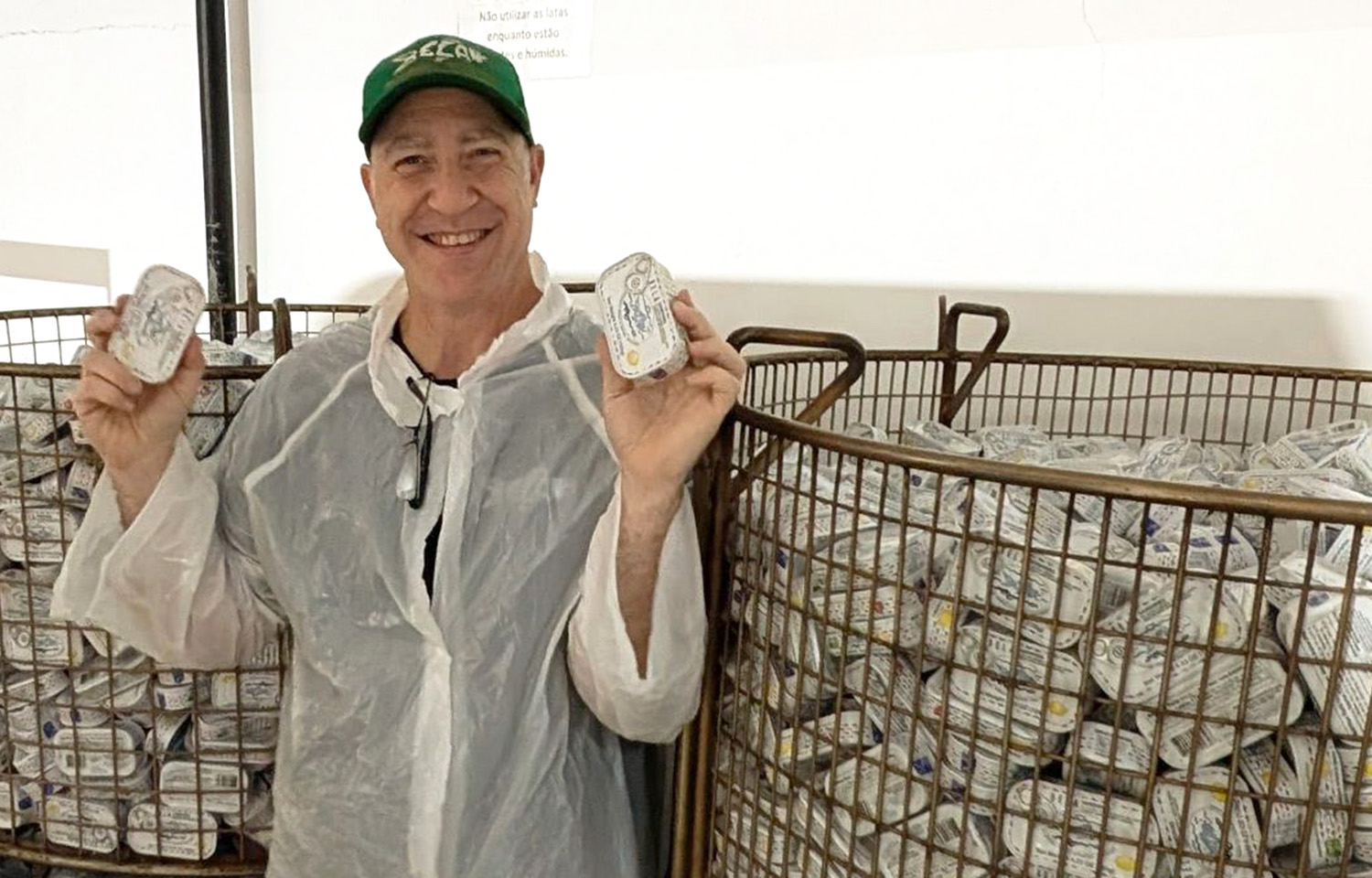
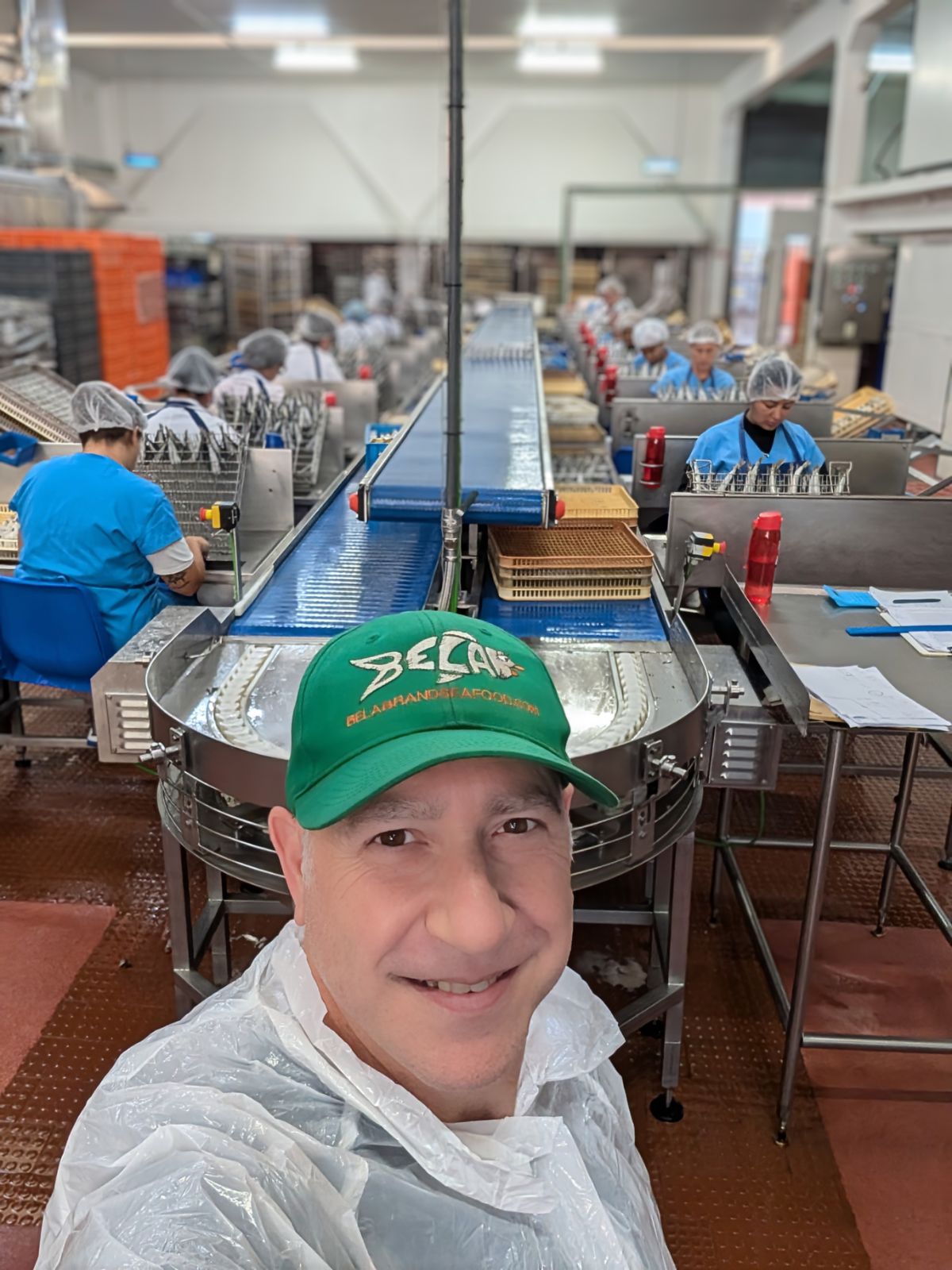
Scherz found what he was looking for in Portugal, where he identified a cannery to work with on a new product line. In 1997, Bela Brand Seafood was born, and Scherz said it became one of the first high-end tinned fish companies targeting the U.S. market.
“Bela really changed the industry when we came in,” he said. “We came in at a time when the whole industry was caving, and we built a brand based on sustainability and quality.”
Creating that brand wasn’t easy, as Scherz said the start of the journey was largely self-funded.
“I don’t think we were fundable, right?” he said. “Sardines were selling for USD 0.49 [EUR 0.46], and we were selling them for USD 1.29 to USD 1.49 [EUR 1.22 to EUR 1.41]. So, we were three times the price on the shelf at that time, and nobody was going to back that – so you only had one choice.”
In 1997, the sustainability movement in seafood was in its infancy, and even if consumers sought it out, it was tough to differentiate products, he said.
“Sustainability in fish wasn’t a thing back then. You didn’t have these groups. Organic didn’t exist as a certification; it existed as an idea,” he said.
Creating a company focusing heavily on sustainability wasn’t a selling point at the time, but Scherz said he purposefully set a high bar for quality in anticipation of where the industry would go.
Scherz said the cannery in Portugal fit his purpose and worked alongside him to use higher-quality ingredients and materials.
“Everybody was using soybean oil, and Bela was the first company to pack a sardine in extra virgin olive oil; that was instrumental in our success,” he said.
Scherz said the company also worked to make the packaging higher-end by making the tin itself with a lithographed product instead of a plain silver product wrapped in a label. That, he said, bought the company shelf space on “day one.”
“What we had to have was a beautiful can that would stand out on the shelf, and you had to have a beautiful product inside the can,” Scherz said. “So, people bought it the first time because it was a novelty can. But then, they bought it a second time because they tasted it and it was phenomenal.”
Bela’s push to increase its quality and appearance also happened to coincide with a rise in public attention to how healthy fish and seafood is, Scherz said. High-protein diets and an increased focus on omega-3 fatty acids and their health benefits began to gain prominence, he said.
“We just happened to catch that wave; that was lucky timing,” Scherz said.
Additionally, organizations like the Marine Stewardship Council – which coincidentally was also founded in 1997 – were gaining traction, and the seafood industry was beginning to focus more on sustainability.
“It took 20 years, but the industry changed. It came up to our level,” Scherz said. “A rising tide lifts all boats. We set the bar and the industry came up to it.”
Fast forward over two decades later, and Bela was around for another revolution in sardines and tinned fish when the Covid-19 pandemic came around.
“Let’s be very clear about this. The reason ‘canned fish’ became ‘tinned fish’ is because of the forced trial of the pandemic. That is the moment that changed tinned fish forever,” he said.
During the height of the pandemic, customer buying habits were shaped by their fear of certain products and the desire to buy things that were perceived as easily sanitized and sterilized. Tinned fish fit the bill, Scherz said.
“This was a product that was sterilized and in a container, and it was safe to eat,” he said. “The pandemic forced people to buy safe food, and it was a forced trial. Then, people loved it. People were like, ‘Oh, this Bela product doesn’t suck.’”
Scherz said the entire industry has been “on a tear” since then – as evidenced by more companies fighting to join the space. Companies like Fishwife Tinned Seafood appealed to the market, and other companies like Atalanta and De Medici introduced new products.
The viral “tinned fish date night” trend on TikTok also brought in a new audience seeking new food experiences.
“Bela has ridden that wave – to my pleasure,” Scherz said.
Looking forward, Scherz said that the future is bright for tinned fish in the U.S., especially when you compare the U.S.’s consumption with more mature markets like Europe where certain types of tinned fish are regularly consumed and have become a part of the cultural heritage of certain areas.
“I think canned fish could be like barbecue in America, where you have different regions,” Scherz said. “I think we’ve only started to see where tinned fish will go.”
Scherz said his company is conducting business around USD 5 million (EUR 4.7 million) in wholesale and around USD 10 million to USD 15 million (EUR 9.5 million to EUR 14.2 million) in retail – and isn’t aiming to grow quickly. Bela Seafood Brand is in a good place to grow organically, Scherz said, as it is still family-owned and can do things the way it sees fit.
“I get to determine what we want to do,” he said. “You get to grow slow, you get to grow intentionally, you get to partner with the people you want to partner with, and you get to put what you want in the can.”
