






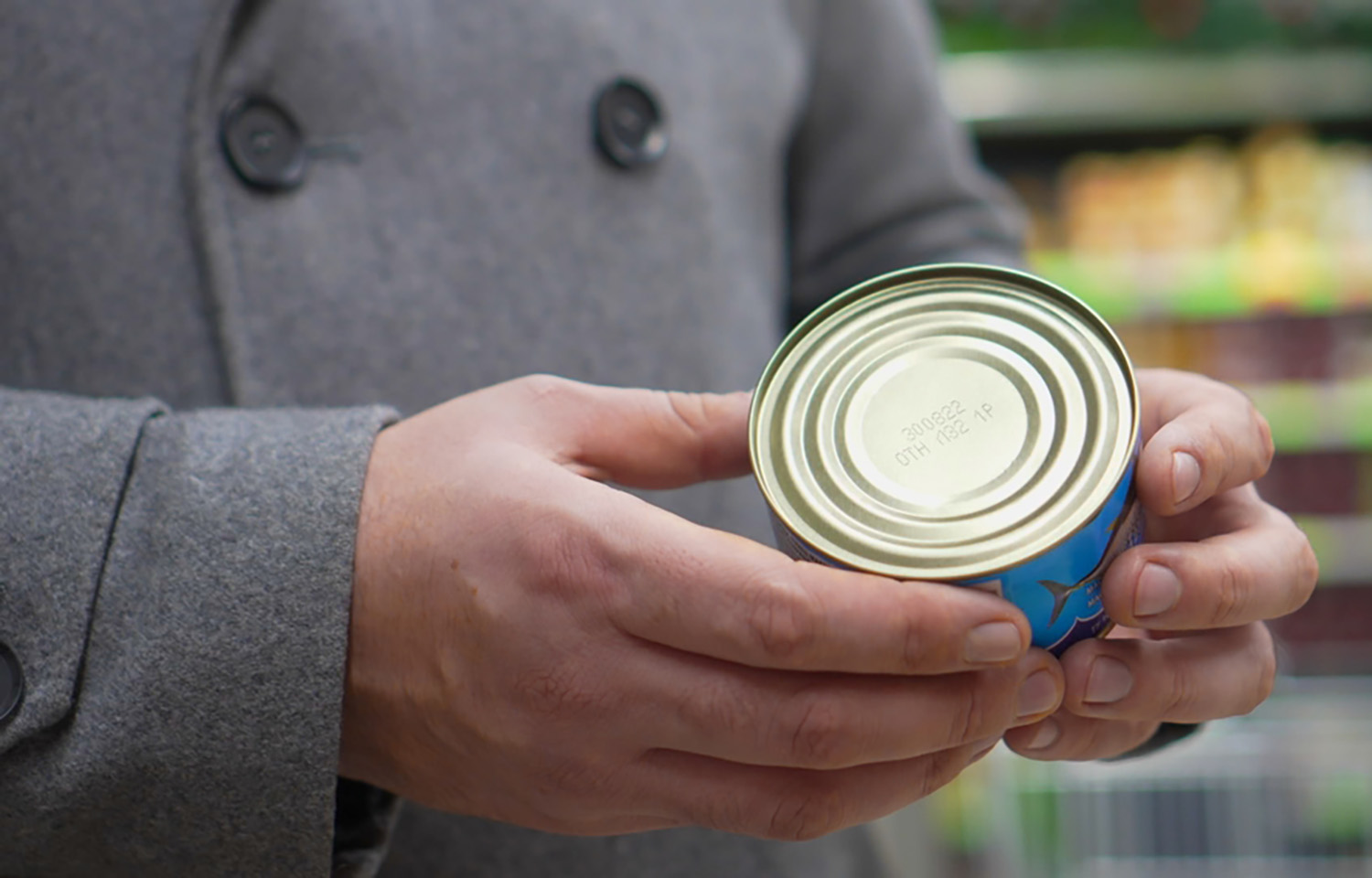
Americans concerned about the economy, as well as those who heavily prepared for hurricanes Helene and Milton and the ultimately short-lived U.S. East Coast dockworkers’ strike, helped boost shelf-stable seafood sales at U.S. retail stores in the third quarter of this year, according to new data.
“There was lots of stocking-up behavior in September and early October, especially in the Southeast [region of the U.S.]. Canned seafood is one of the items that people buy to accommodate any power outages,” 210 Analytics Principal Anne-Marie Roerink told SeafoodSource.
Roerink recently presented new data from research firm Circana during a 29 October webinar titled “Seafood in U.S. Retail Q3 2024” and said that continued financial pressure on consumers – whether actual or perceived – also led to the hike in ambient seafood sales.
Due to this pressure, Americans continued to shift away from eating out at restaurants toward preparing more food – including seafood – at home during the quarter.
Circana’s August 2024 survey highlighted just that, stating that 52 percent of shoppers said they bought food from restaurants less often over the past year. Circana’s Q3 2024 shopper survey added that 81 percent of dinner occasions in the U.S. comprised home-prepared meals.
“Consumers are looking for value and flexibility, and shelf-stable seafood delivers on both. With its long shelf life, shelf-stable items can be the solution for a quick, inexpensive dinner instead of fast food when [consumers don’t have] time, for instance,” Roerink said.
Ambient seafood sales by volume jumped 7 percent year over year in September, while sales by value climbed 1.2 percent to USD 848 million (EUR 748 million).
One factor that aided in the sales spike was that prices declined 4 percent for the subcategory during the period; additionally, promotions on shelf-stable seafood jumped from 19.9 percent of products sold during Q3 2023 to 25.8 percent during the third quarter of this year, which, according to Roerink, does not even paint the full picture of marketing’s importance nationwide when it comes to selling seafood.
“Many companies [selling] consumer packaged goods and fresh [products] are fine-tuning their marketing spend,” Roerink said. “That may mean that some of the budget put aside for traditional at-the-shelf discounts is moved to digital spends to drive visibility for the category and brand.”
So, while spending on marketing via influencers, social media ads, and shoppable recipes would not show up as promoted purchases in sales data, they also influenced sales, she explained.
Besides shelf-stable success, consumers’ wariness about restaurant prices and preparing more meals at home has led to a surge in deli-prepared seafood sales, as well as sushi.
Sushi sales by volume rose 2.9 percent during the third quarter, while sales by value rose 2.4 percent. Deli-prepared meat and seafood sales grew significantly, rising 10 percent by value and 12 percent by volume.
“I think deli-prepared is a very good area for seafood. We often hear consumers talk about not knowing how to prepare it. The surge in oven-ready items and meals is the perfect answer for that,” Roerink said.
To that end, suppliers and retailers should consider offering more seafood salads, sandwiches, and entrees, Roerink said; H-E-B and Hy-Vee, among other retailers, have picked up on this trend by offering a wide variety of options ready to go into the oven or air fryer, including individual and family meals.
“This means the consumer doesn’t have to touch, season, or marinate anything; they don’t have to know how to pair [seafood] with [particular] sides or veggies,” she said. “All they have to do is take off the lid and put it in the oven following the on-pack instructions.”
Deli-prepared foods and meals for entertaining also jumped 6.8 percent in value, while all types of trays surged 29.9 percent in units and 11.5 percent in value. This means that shrimp platters and other “snackable seafood” are likely to continue performing well in the future, Roerink said.
Elsewhere, frozen seafood sales realized a slight increase – 0.6 percent – by volume in Q3, while sales by value fell 1.7 percent to USD 1.9 billion (EUR 1.8 billion), mainly due to 2.6 percent price deflation in the category, Roerink said.
Fresh seafood sales by value declined 0.5 percent year over year in the quarter to USD 2.1 billion (EUR 1.9 billion), while sales by volume decreased 0.2 percent.
Fresh seafood prices dropped 1.1 percent compared to the third quarter of 2023, dipping to USD 10.26 (EUR 9.49) per pound on average.
Retailers sold less fresh and frozen seafood via promotions during the quarter. Frozen seafood sales made through promotions dropped from 36.6 percent for the third quarter of 2023 to 27.6 percent during the third quarter of this year, while fresh realized a slight drop from 27.9 percent during Q3 of last year to 25.6 percent during the same period this year.
