






Shelf-stable seafood continued to perform well at U.S. retail stores in the second quarter of 2024, though frozen and fresh sales suffered throughout the period, according to new data presented by market research firm 210 Analytics.
Increased tuna sales were a main contributor to shelf-stable growth in the quarter. Sales of tuna jumped 5.2 percent by volume, while sales increased 3 percent by value . Salmon sales by volume in the category also increased 7.8 percent, but remained flat by value. Overall, shelf-stable seafood sales rose 4.7 percent by volume and 2.2 percent by value to USD 821 million (EUR 741 million) for the quarter ending 30 June, 210 Analytics Principal Anne-Marie Roerink said.
However, price deflation in the frozen and fresh categories created a double-whammy effect of not attracting higher sales while also making it harder to grow sales by value.
For example, frozen seafood price deflation totaled 4.1 percent in Q2, but shellfish dropped nearly 5.9 percent and crab prices plunged 11.5 percent.
“That means these items have to sell that much more to offset the deflationary gap in order to drive dollars, and that proved to be too much,” Roerink said.
As a result, frozen seafood sales dropped 5.2 percent year over year to USD 2 billion (EUR 1.8 billion) and sales by volume in the category fell 1.1 percent.
Fresh seafood sales also decreased 3.9 percent by value to USD 2.1 billion (EUR 1.9 billion) during the quarter, while sales by volume declined 3 percent.
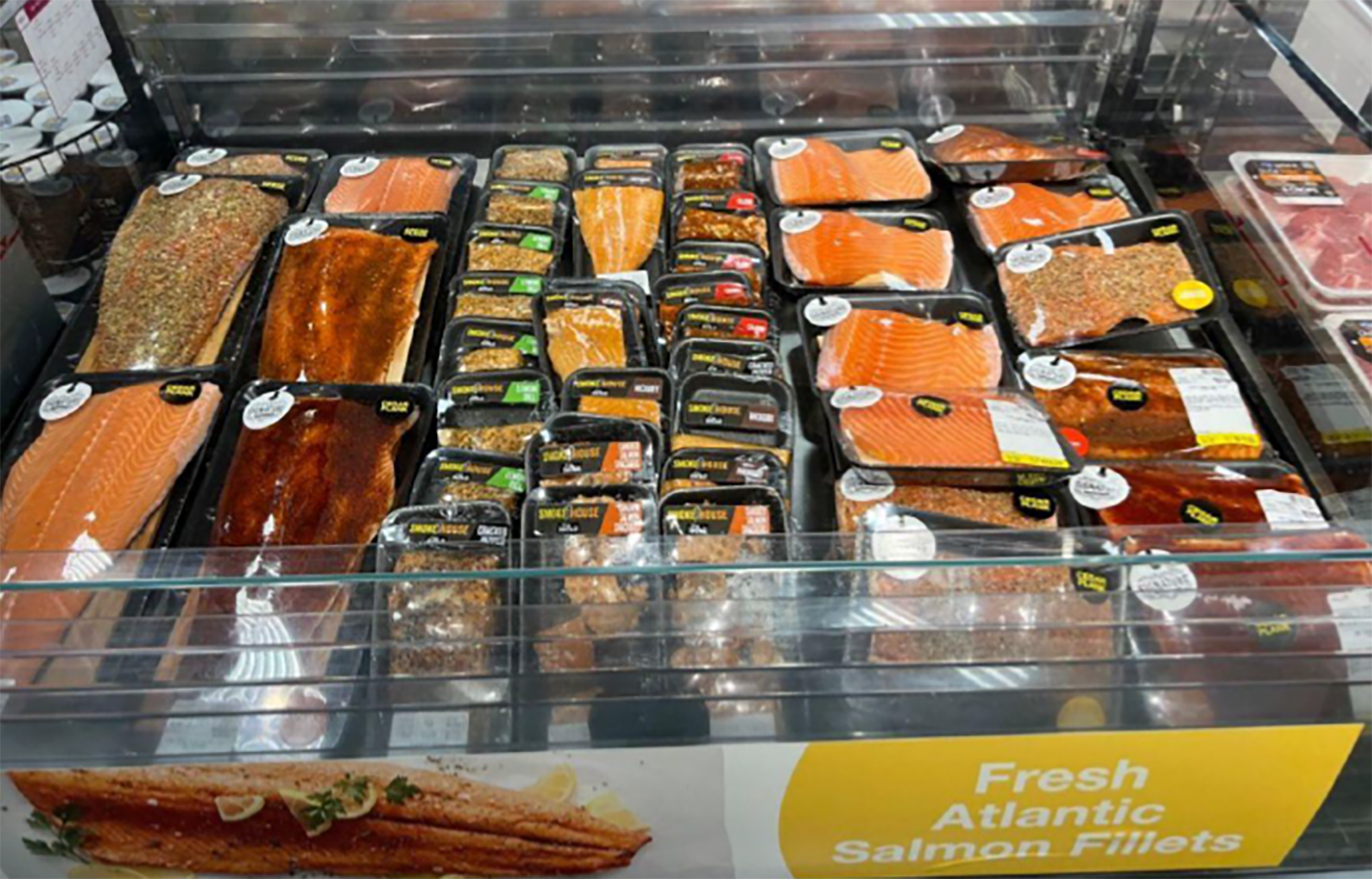
Sales of fresh salmon – the category leader – declined only 2 percent to USD 976 million (EUR 881 million), while sales by volume dropped 0.5 percent. Crab, shrimp, and lobster sales all dropped by more significant percentages by both sales and volume.
Cod sales, meanwhile, shot up 7.9 percent by value and 13.9 percent by volume.
One positive trend that played out in Q2, according to Roerink, was that retailers diversified their assortment of refrigerated seafood.
“Improvements in assortment are always important because so much of the fresh seafood dollar is clustered in that top 10 percentile of seafood shoppers who represent 45 percent of seafood sales,” Roerink said. “These are the shoppers who like to experiment, like a wide variety of seafood items, plus are very comfortable preparing just about any seafood item.”
In other positive news for retailers, Americans continue to prepare more meals at home and eat less often at restaurants. Food inflation at restaurants hiked up 4 percent year over year in June, compared to inflation of only 1.1 percent at retail in June, according to the U.S. Bureau of Labor Statistics.
As a result, shoppers are buying more grocery-prepared, restaurant-quality meals to eat at home. Prepared meat and seafood sales by value shot up 14 percent for the year ending 30 June, Roerink said, while volume sales jumped up 15 percent. Likewise, sushi sales increased 3.7 percent to USD 1.2 billion (EUR 1.1 billion over the last year, while volume sales jumped 6.8 percent.
In addition to sushi, poke, and other meals, retailers should consider carrying more seafood salads, sandwiches, and entrees, Roerink said.
“Prepared foods sold at the grocery store are a great opportunity. There’s growth momentum all around,” Roerink said. “Whereas in the grocery area of the store where [shoppers] may be comparing items by the ounce or pound and debate on [small] differences, the deli-prepared area has the benefit of being compared to restaurant prices.”
