






An early Lent season this year helped boost U.S. seafood sales in February.
The Easter season mismatch compared to 2025 led to “robust gains for seafood dollars and pounds in refrigerated, frozen, and shelf-stable,” Anne-Marie Roerink, the principal of retail data firm 210 Analytics, said.
The latter of the three categories performed especially well during the month thanks to major winter storms that occurred across the country, Roerink said, leading consumers to stock up their cabinets.
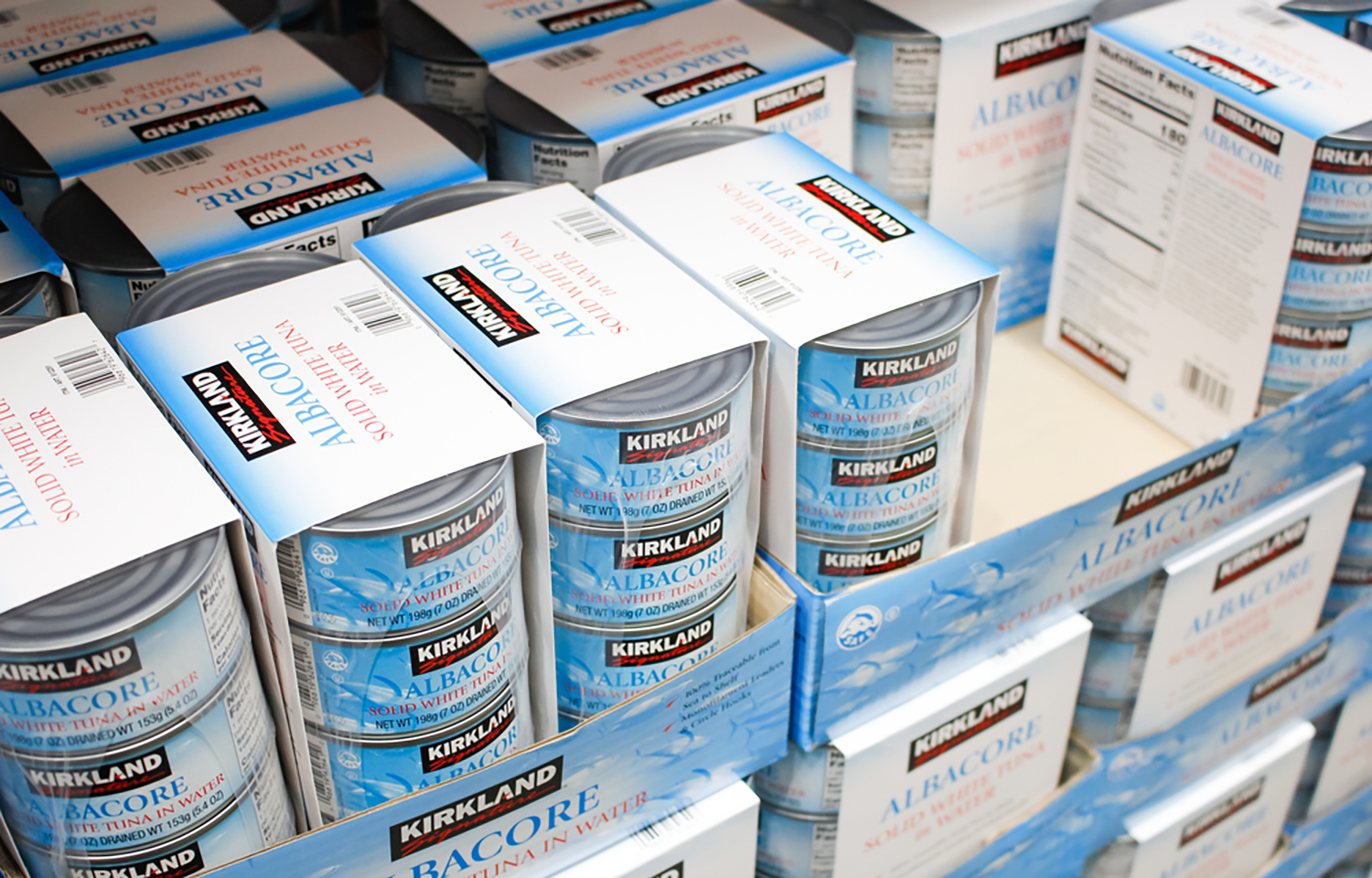
Shelf-stable seafood sales rose 18 percent by value in February to reach USD 299.2 million (EUR 260 million), while sales by volume rose 9.4 percent compared to last February.
Sardines continued to show the impressive growth they have undergone over the last year, spiking 50.2 percent by value and 32.5 percent by volume in February. Shelf-stable tuna sales increased 13.7 percent by value and 6.8 percent by volume, while salmon sales in the category rose 12 percent and 8.8 percent, respectively.
Frozen seafood also had a solid month in February, with its sales by value rising 12.7 percent to reach USD 752 million (EUR 653 million); sales by volume grew 5.2 percent.
Frozen pollock gained the most of any species in the category, with sales jumping nearly 29 percent by value and 34 percent by volume. Frozen salmon also performed well, surging 18.5 percent by value and 12.7 percent by volume, while frozen tilapia sales increased 18.7 percent by value and 16.8 percent by volume.
Frozen crab sales also inclined 14.5 percent by value but just 2.2 percent by volume.
Overall, frozen seafood sales rose above sales for processed meat and poultry in February, likely due to Lent, according to Roerink.
Sales of fresh seafood, meanwhile, rose 8.9 percent by value to USD 729 million (EUR 633 million), while sales by volume increased 8.9 percent.
After a slow start to the year, fresh finfish sales picked up pace in February, rising 9.6 percent by value and 7.9 percent by volume. Fresh shellfish sales also increased 9 percent by value and 12.2 percent by volume.
The biggest gains in fresh seafood came from lobster, which rose 15 percent by value and 31.3 percent by volume; tilapia, which rose 16.4 percent by value and 12.7 percent by volume; shrimp, which rose 14.4 percent and 15.5 percent, respectively; trout, which rose 17.3 percent and 14.7 percent; and salmon, which rose 9.6 percent and 8.9 percent.
The gains in seafood came even as price inflation in the category remained high.
Price inflation in shelf-stable seafood rose 7.9 percent compared to the same period a year ago. Frozen seafood prices also jumped 7 percent. Fresh seafood inflation, though, declined 0.1 percent, led by a 2.9 percent drop in fresh shellfish prices.
Overall in February, sales at U.S. grocery and beverage stores surged 4.57 percent compared to the same month in 2025, according to the CNBC/National Retail Federation Retail Monitor. According to the National Retail Federation (NRF), total retail sales rose 6.24 percent in the month.
“Despite harsh winter weather, consumer spending grew once again in February, supported by continued wage gains and overall low unemployment levels,” NRF President and CEO Matthew Shay said. “This was the fifth consecutive month that sales rose from the month before, and year-over-year gains were strong.”
Despite the gains, consumer concern over high food prices remains an issue, according to Circana, as 95 percent of shoppers said they are somewhat or very concerned about the problem. Consequently, the cost of groceries continues to drive a focus on deals at retail, with 52 percent of consumers looking for sales specials more often, according to Roerink, and 41 percent saying they are cutting back on non-essentials.
The University of Michigan Consumer Sentiment Index, which reflects U.S. consumer confidence regarding personal finances, buying conditions, and the economy, climbed to 56.6 in February 2026, marking the highest reading since August 2025, Roerink said.
