




U.S. consumers paid more for seafood – and food overall – at retail stores in July, according to new data but the increases didn't dent fresh sales volumes.
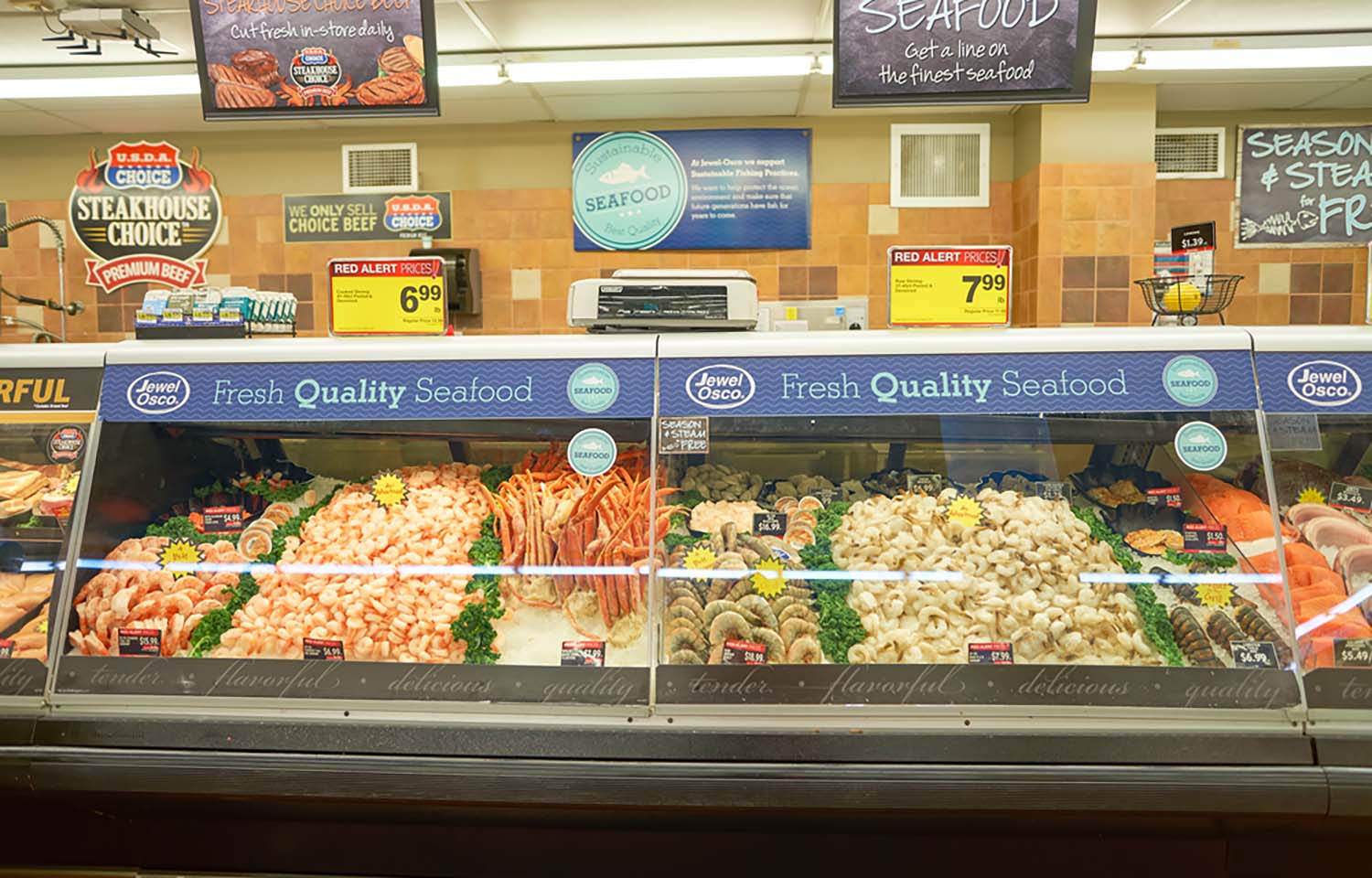
Fresh seafood prices increased 1.5 percent year over year at U.S. retail in the month, according to Lakeland, Florida, U.S.A.-based 210 Analytics, which analyzes data from market research firm Circana.
Within the category, fresh crab had the largest price increase, jumping 10.6 percent compared to the same month in 2024. Fresh shrimp rose 4 percent, and fresh finfish prices increased 0.5 percent.
Fresh salmon prices rose by 1.4 percent year over year and remain “substantially higher” than frozen salmon, according to 210 Analytics Principal Anne-Marie Roerink.
Sales by value of fresh seafood jumped 3.6 percent in July to USD 687 million (EUR 588 million). Sales by volume, despite the inflation, still grew 2.1 percent.
By species, sales of fresh shrimp by value increased 8.3 percent, while sales by volume grew 4.1 percent. Sales of fresh lobster, which had been sliding for the past few months, increased 9.5 percent by value and 21 percent by volume – likely driven by Fourth of July holiday and summer grilling retail promotions. Fresh trout sales by value shot up 25 percent, while sales by volume increased 28.5 percent. Fresh tilapia sales by value rose 12 percent and nearly 18 percent by volume.
Frozen seafood prices increased 3.7 percent in the month. By species, frozen shrimp prices rose 4.7 percent, frozen salmon prices rose 4.2 percent, and frozen shellfish prices rose 2.7 percent.
Frozen seafood sales more predictably followed inflationary trends in July, growing 3 percent by value to USD 644 million (EUR 554 million) but dropping 2.2 percent by volume in the month.
Frozen salmon was the leader in the category, with sales by value increasing nearly 11 percent and sales by volume rising 6.5 percent. Frozen shrimp sales by value rose 2.8 percent, but sales by volume declined 2.1 percent. Frozen tilapia dollar sales increased by 4.3 percent, while sales by volume grew slightly, rising 0.8 percent in the month.
Shelf-stable seafood prices increased 1.9 percent in the period, and their sales by value – which have performed solidly for several months in a row – grew only 0.6 percent to USD 264 million (EUR 226 million), while sales by volume fell 1.5 percent. Though the category earned about USD 2 million (EUR 1.7 million) more than in June, sales by volume were down compared to July of last year, driven by a decline in canned tuna sales, according to 210 Analytics Principal Anne-Marie Roerink.
Overall food inflation rose 2.9 percent year over year in the U.S. in July, according to the U.S. Bureau of Labor Statistics’ Consumer Price Index. Food-away-from-home prices shot up 3.9 percent in the month, while food-at-home inflation stood at 2.2 percent.
As inflation grows, nearly all Americans (96 percent) are concerned about food costs, according to Circana’s July Shopper Survey, Roerink said.
“This has led to 65 percent more closely watching their grocery spending, 30 percent stocking up on good deals, and a growing popularity of private brands,” she said.
As a result, private-label food and beverage dollar sales have increased 6.6 percent over the past year, outperforming manufacturer-branded sales. To further save costs, consumers are also shifting purchases toward lower-priced grocery stores, as well as club stores, mass merchandisers, and e-commerce, Roerink said.
For instance, Issaquah, Washington, U.S.A.-based Costco said its overall net sales grew 8.5 percent to USD 20.9 billion (EUR 17.9 billion) in July, and comparable store sales rose 6.4 percent for the month. The operator of more than 900 warehouse clubs worldwide also said e-commerce sales soared 15 percent in July and 15.3 percent for the 48 weeks ending 3 August.
Inflation, as well as the subsequent pivot toward value many consumers are taking, is unlikely to go away any time soon. Retailers have warned that they will likely need to raise prices if high tariffs implemented by U.S. President Donald Trump remain in effect long term.
Even though retailers have been able to mostly keep pricing steady until now, the new tariffs will impact merchandise as soon as within the next few weeks, according to National Retail Federation Executive Vice President of Government Relations David French.
"We have heard directly from small retailers who are concerned about their ability to stay in business in the face of these unsustainable tariff rates,” he said earlier this month.
The International Chamber of Commerce (ICC) lengthened that time frame but not by much, predicting price hikes will hit as soon as the end of the third quarter as U.S. companies may have sold off stockpiles that they built up ahead of tariff implementation, per Reuters.
