


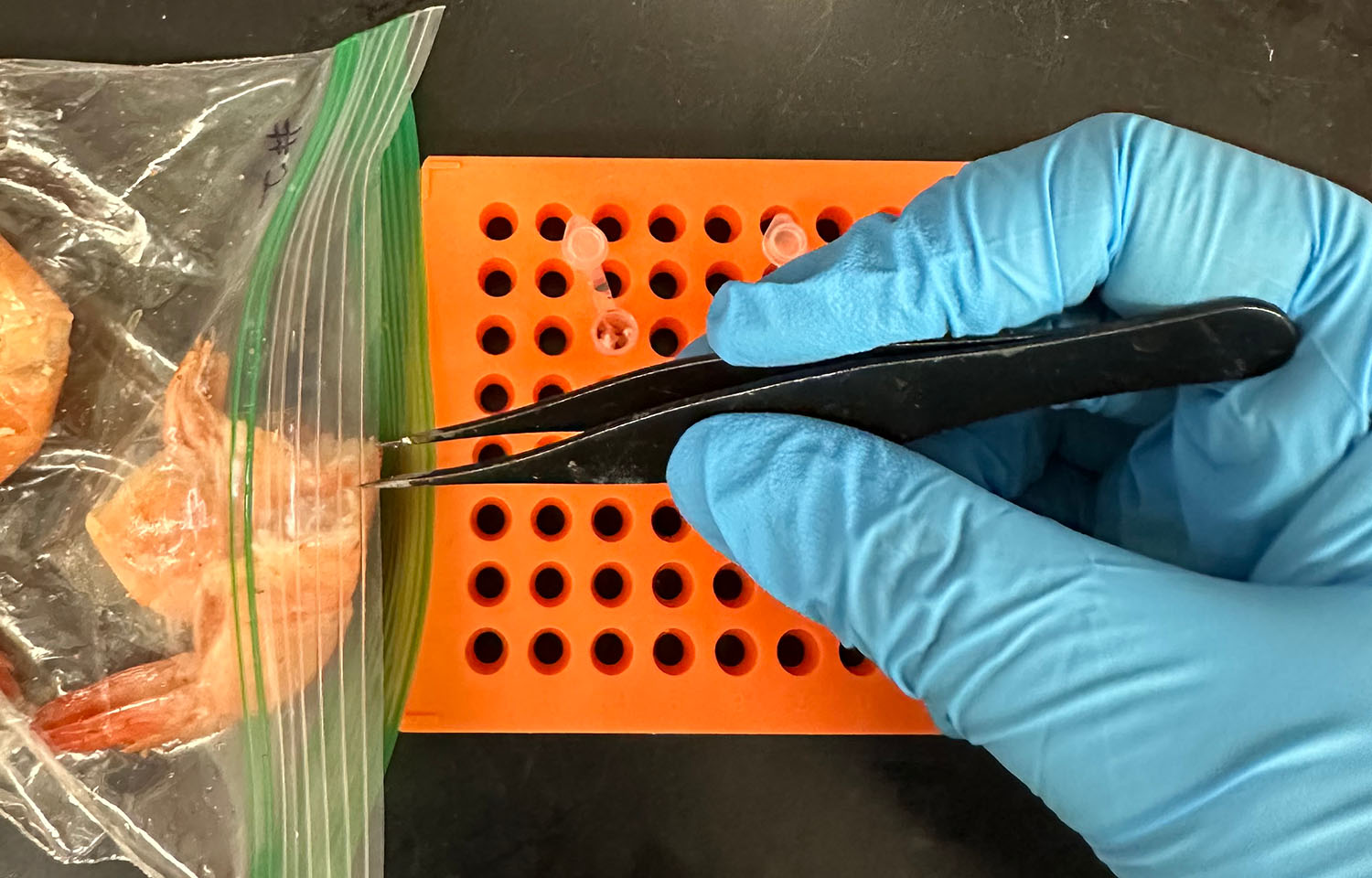
An investigation by SeaD Consulting claims to have uncovered “widespread misrepresentation” by restaurants in the U.S. state of Mississippi that mislabeled imported shrimp, in some cases claiming it was locally caught.
The test found varying levels of seafood mislabeling depending on shrimp species, as several restaurants claimed imported shrimp was actually Gulf white shrimp or added “royal” to Argentine red shrimp, labeling it as royal red shrimp. Across 44 different restaurants investigated, SeaD claims only eight were fully honest in serving what they advertised.
“Despite heavy marketing that emphasizes ‘fresh local seafood,’ many restaurants are substituting authentic Gulf shrimp with cheaper, imported alternatives,” SeaD Consulting said in a press release. "The results are a wake-up call for consumers who are paying for one thing but receiving another.”
SeaD’s genetic testing found that 92 percent of restaurants that listed “royal red” shrimp on their menu were serving Argentine shrimp. While some menus did make sure to label them as sourced in Argentina instead of trying to pass them off as local, “royal red shrimp” is an FDA-name protected species, meaning the name can only refer to shrimp caught in the Gulf of Mexico.
Additionally, 39 percent of restaurants advertising locally caught Gulf white shrimp were actually serving imported shrimp, SeaD claimed.
As a result, 82 percent of the restaurants were defrauding consumers about what they were buying, SeaD said.
According to SeaD, the mislabeling has a financial impact for consumers who are purchasing shrimp they think is local. SeaD said mislabeled shrimp dishes were “often priced as high as USD 24.95 (EUR 23.70) per plate, meaning consumers are paying top dollar for inauthentic products.”
“Consumers come to the coast expecting the finest, freshest Gulf seafood, but what they’re being served often falls far short of that,” SeaD Consulting COO Erin Williams said. “This isn’t just about mislabeling; it’s about eroding consumer trust, undercutting local businesses, and threatening the livelihood of hardworking Gulf shrimpers.”
The study comes less than two months after the U.S. Federal Trade Commission issued new guidance warning restaurants that even décor implying seafood is local when it isn’t is illegal and could result in fines. The guidance stemmed in part from lobbying efforts by the Southern Shrimp Alliance (SSA), an advocacy organization for the U.S. domestic shrimp industry that has fought against shrimp imports.
"Consumers have a strong preference for U.S. wild-caught shrimp, valued for its sustainability, superior flavor, and crisp texture thanks to natural diets in local waters," SSA Executive Director John Williams, said. "It's essential to protect both consumers and local jobs by taking action against deceptive advertising and seafood fraud in restaurants and grocery stores that dupe consumers into choosing imported shrimp under false claims."
It is also just months after the co-owner of an iconic Mississippi-based restaurant was hit with a USD 1.35 million (EUR 1.28 million) fine for selling misbranded seafood. The restaurant – Mary Mahoney's Old French House – was also placed on probation and issued a separate USD 149,000 (EUR 141,000) fine associated with the case, which the U.S. Attorney’s Office said involved mislabeling imported species as higher-priced local species.
In its release, SeaD said the mislabeling and seafood fraud harms local fishermen and undermines consumer trust in the industry.
“When restaurants mislead customers about their offerings, they aren’t just breaking the law; they’re also robbing consumers of their hard-earned money and damaging the reputation of local shrimpers who take pride in their work,” it said.
SeaD said it recommends consumers to ask restaurants about the shrimp they are serving and ask for proof – such as the box the shellfish came in.
Consumers can also support “ethical” restaurants. SeaD found eight restaurants in the Mississippi Gulf Coast area that were serving genuine Gulf shrimp, including Anthony’s Under the Oaks in Ocean Springs, Parrain’s Jambalaya Kitchen in Biloxi, and Rouse’s Market 88 in Biloxi.
SeaD said that consumers can also advocate for stronger regulations that require better transparency and enforcement against seafood mislabeling.
“Seafood fraud is illegal, and businesses should be held accountable,” the company said.
