



Recife, Brazil-based Noronha Pescados has had to shift its salmon and shrimp suppliers due to U.S. tariffs on imports soon after introducing its Popeye Seafood brand to the U.S.
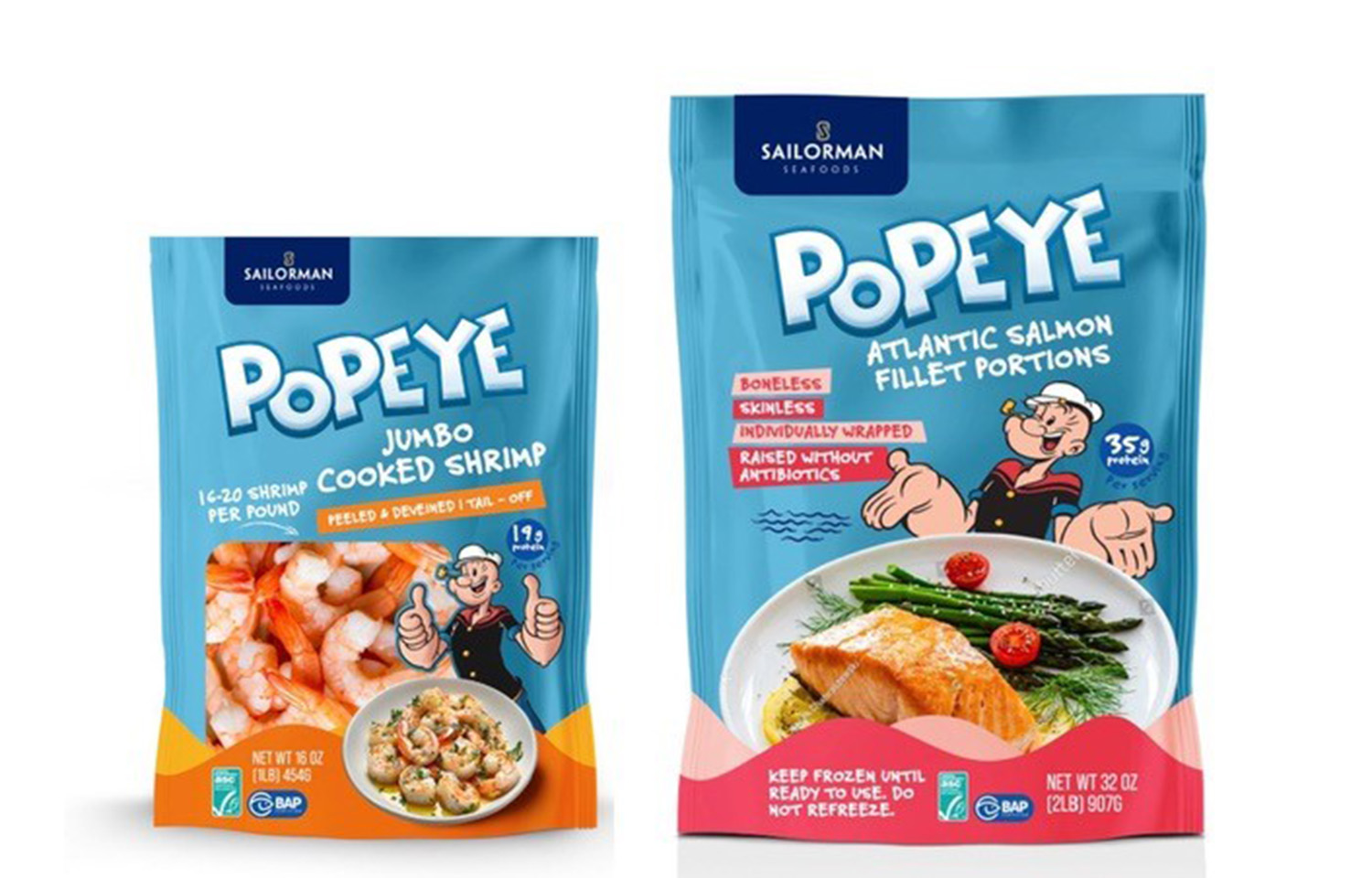
Noronha Pescados introduced Popeye Seafood at Seafood Expo North America (SENA) in Boston, Massachusetts, in March 2025 and told SeafoodSource at the time that the brand generated significant interest from U.S. grocery buyers.
Now, however, the company said it has been forced to delay the launch of two new products to give it time to line up a U.S. co-packer so it can avoid exporting directly from Brazil in the wake of the U.S. implementing 50 percent tariffs on goods from the country.
The company plans to launch the two products – frozen Aquaculture Stewardship Council-certified and Best Aquaculture Practices-certified Jumbo Cooked Shrimp and Atlantic Salmon Fillet Portions – in December, Noronha Pescados Director Guilherme Blanke told SeafoodSource.
“We started with two products that have more volumes on sales to optimize our logistics costs and open doors,” Blanke said.
For the new salmon product, Noronha Pescados would have originally purchased salmon from Canada or Norway. However, since the tariffs on imports from Norway are 20 percent compared to 15 percent from Chile, the company is now sourcing salmon from AquaChile.
The company also said it previously planned to utilize local vannamei shrimp farmed in Brazil, but the company is now sourcing shrimp from Duran Canton, Ecuador-based Omarsa. The U.S. instituted a 15 percent tariff on imports from Ecuador.
Therefore, the company, which boasted USD 55 million (EUR 47 million) in sales last year, has not been impacted by the U.S. tariffs on imports from Brazil due to the shifted sourcing.
“We are not exporting fish from Brazil to the U.S., so we are not affected by the [50 percent] tariffs,” Blanke said.
While the workarounds have been helpful, Blanke said the firm's products will still cost more to produce than before tariffs were implemented.
“The most important thing to us is to ensure we buy the shrimp from the best source possible so everybody has the same costs … so I can be competitive in the market,” Blanke said.
As a result of dealing with 15 percent higher input costs, the company plans to pass along 10 percent to customers and absorb 5 percent of the expenses, Blanke said. Higher retail prices could affect purchases, he acknowledged, as some consumers may choose chicken or other cheaper proteins.
“The final price can affect consumption, with less people willing to pay, [but] we have to put a margin or we will be broke,” Blanke explained.
Still, after it lines up a U.S. co-packer to process its salmon and shrimp products, the company plans to launch a breaded Alaska pollock and shrimp line it introduced to grocery buyers at SENA. The breaded products, utilizing pollock supplied by Trident and American Seafoods, are already distributed at Sam’s Club stores in Brazil.
Next, the company will expand into other species such as tuna steaks, mahi portions, and tilapia fillets.
