






Inflation on the prices of many seafood products at U.S. retail stores rose in May, but frozen and ambient seafood still experienced sales gains in the period.
After months of deflation, fresh seafood prices spiked 2.2 percent in May compared to the same month a year prior, led by an increase of 6.7 percent in fresh shellfish prices, according to new Circana data analyzed by Lakeland, Florida, U.S.A.-based 210 Analytics, which also found that frozen seafood inflation rose 2.2 percent in the period and ambient seafood prices dropped 2 percent.
This led to fresh seafood sales by value only rising 0.2 percent year over year, while sales by volume in the category fell 2 percent. Frozen seafood sales rose 3 percent by value, while sales by volume increased 0.8 percent. Shelf-stable seafood sales jumped 3.8 percent by value and 5.9 percent by volume.
“After several months of disruption to the very different timing of Easter, May provides a clean look at actual seafood demand in today’s tough marketplace,” 210 Analytics Principal Anne-Marie Roerink wrote in the U.S. Retail Seafood Performance Review report attached to the month’s data.
Sales by value grew for fresh, frozen, and shelf-stable seafood; however, the “truer measure of demand – sales [by volume] – showed growth for frozen and shelf-stable seafood, but a 2 percent decline for fresh,” she added.
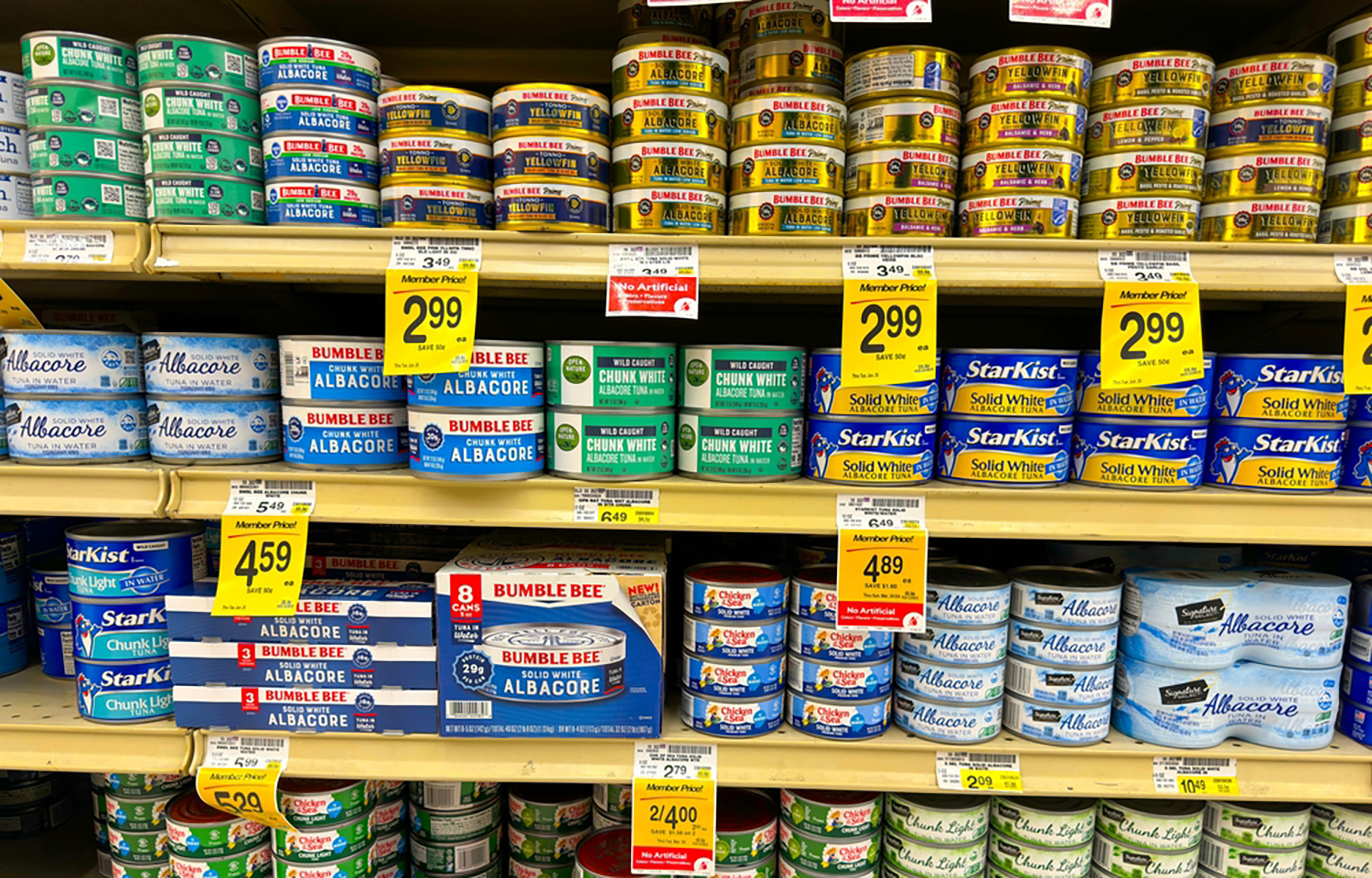
Ambient seafood performed exceptionally well in May, reaching USD 321 million (EUR 277 million) in sales, with the majority of those sales coming from tuna, which realized a 1.3 percent increase in sales by value and a 0.6 percent incline in sales by volume. Shelf-stable sardines, meanwhile, which have been on a growth streak in recent months, realized a sales spike of 33 percent by value and 10.5 percent by volume in the period.
On the other hand, other categories did not fare so well. Fresh shellfish sales, for example, dropped nearly 6 percent to USD 245 million (EUR 212 million), while sales by volume fell 11.7 percent as inflation spiked in the category.
Overall food inflation rose 2.2 percent in May compared to the same period a year prior, according to new U.S. Consumer Price Index (CPI) data. After cooling off in April, the CPI numbers for May showed “mild volatility,” FMI – The Food Industry Association Vice President of Tax, Trade, Sustainability, and Policy Development Andy Harig said in a press release.
The pauses U.S. President Donald Trump implemented on some global tariffs helped ease consumer concerns over prices and availability of goods in May, Roerink explained, but Americans continue to “spend cautiously.” Nearly 70 percent of U.S. households still expect tariffs to increase prices, according to Circana’s most recent consumer survey, while 28 percent expect little to no impact.
“The pull forward in consumer demand ahead of tariffs is likely dissipating,” National Retail Federation President and CEO Matthew Shay said in a press release. “While momentum remains, the nature of consumer spending is shifting as economic uncertainty increases. Consumer fundamentals haven’t been damaged yet, and a slowing but still growing job market is supporting household priorities ahead of any meaningful price increases in the coming months.”
“The impact of tariffs on food prices remains muted but continues to be a factor worth watching,” Harig added.
Despite the uncertain economic environment, consumer expectations for 2025 have improved since May, according to FMI Vice President of Research and Insights Steve Markenson. FMI’s June Grocery Shopper Snapshot found that 42 percent of shoppers have positive expectations for the year ahead, marking a 4 percent increase from last month.
“Although concern levels have stabilized, data shows consumers are actively adjusting their shopping habits. Of those concerned about tariffs, 39 percent have changed some aspect of their grocery shopping. More generally, 45 percent of consumers have reduced their household spending in the past few months,” FMI Senior Manager of Research and Insights Allison Febrey said in a recent blog post.
Nevertheless, she said that “shoppers remain resilient.”
“Eighty-one percent of shoppers say they feel in control of their household expenditures for groceries.”
